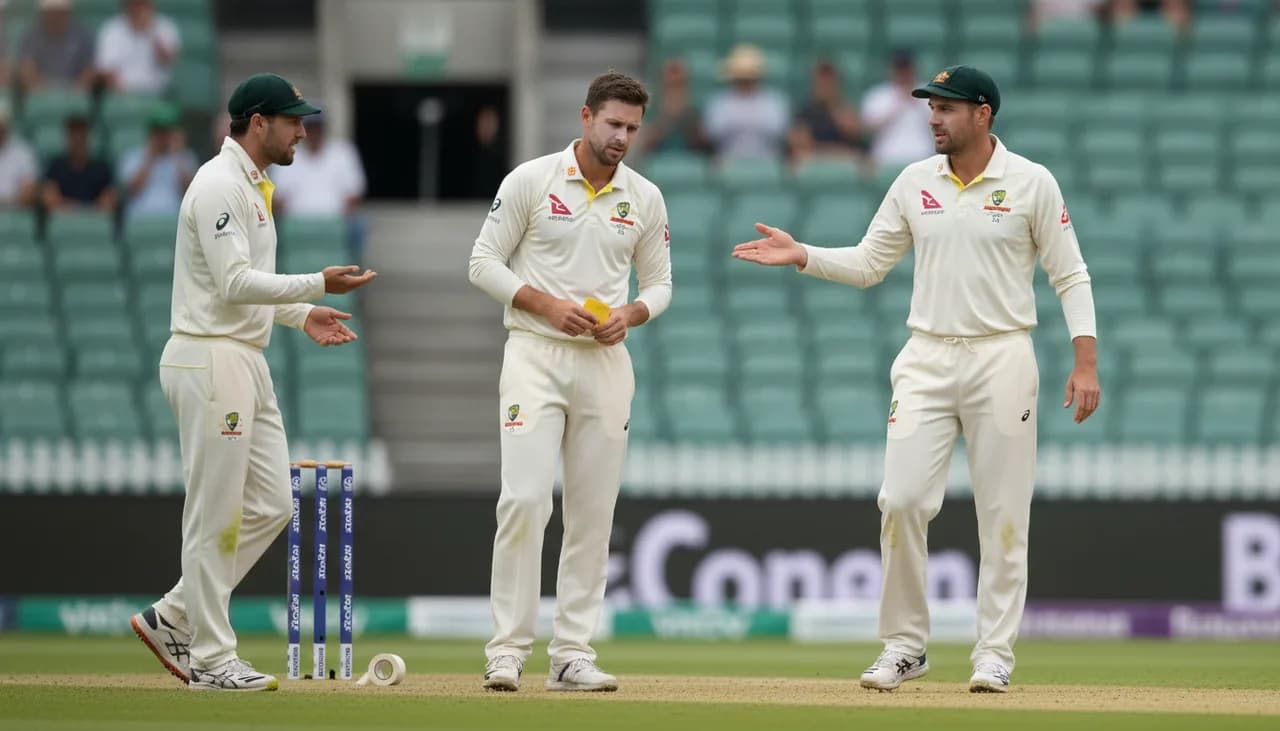
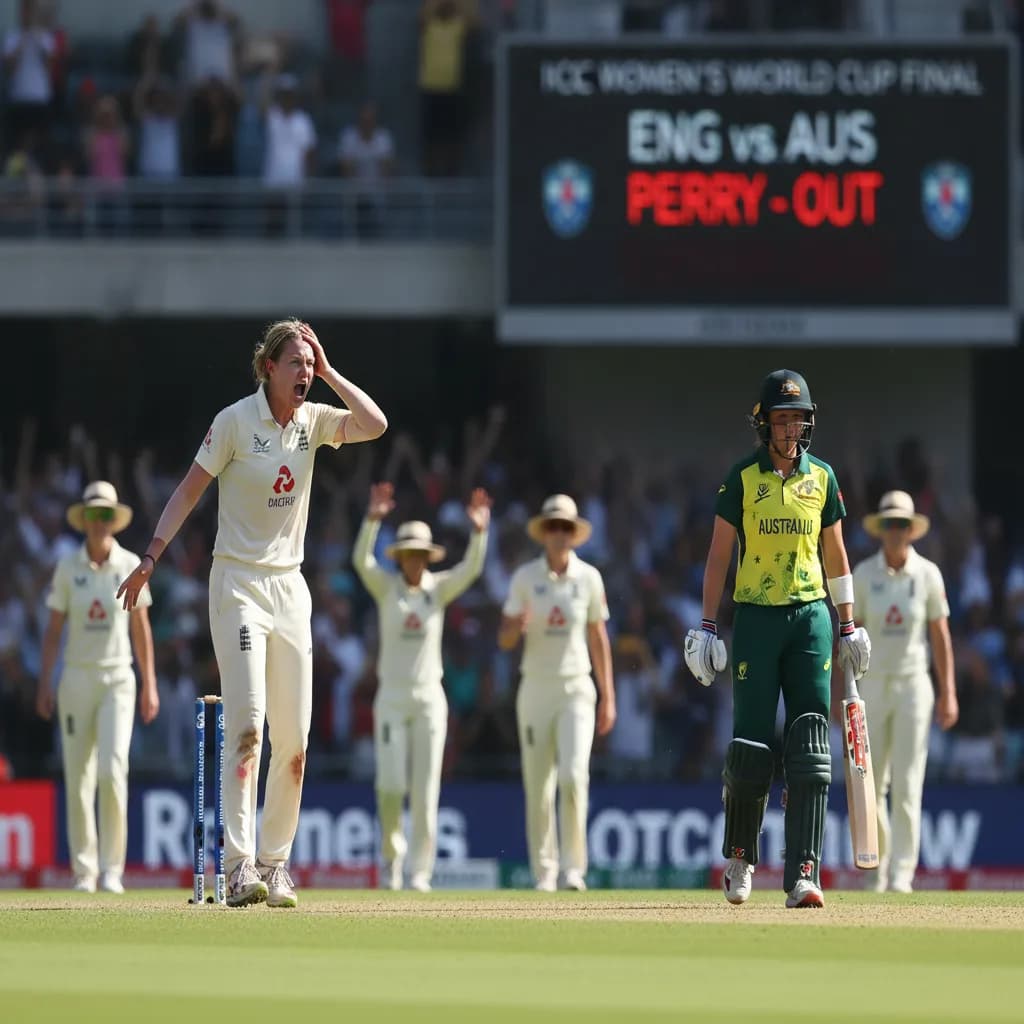
The T20 World Cup, cricket's most explosive global tournament, is meant to be a festival of fast-paced action and unifying celebration. Yet, the 2026 edition, co-hosted by India and Sri Lanka, finds itself shadowed by a complex web of political, logistical, and sporting tensions that threaten to overshadow the on-field spectacle. BBC Sport's Ask Me Anything team delves into the multifaceted issues simmering beneath the surface, from geopolitical fault lines and security headaches to the ever-present pressure of the game's commercial heartland.
The Geopolitical Minefield: India-Pakistan and Beyond
The most volatile tension, as ever, surrounds the prospect of a match between arch-rivals India and Pakistan. The political relationship between the two nations remains frosty, with bilateral cricket series nonexistent for over a decade. Their meetings are now confined to global tournaments, injecting each clash with immense pressure. The security protocols for such a fixture are a logistical nightmare, requiring states-level coordination and diverting massive resources from other matches.
Beyond this iconic rivalry, the tournament's location amplifies other geopolitical sensitivities. The participation of Israel's cricket team, which qualified for the first time, has sparked controversy and calls for boycott from certain groups, placing the International Cricket Council (ICC) and host boards in a delicate diplomatic position. Furthermore, the ongoing tensions between India and China, though not directly impacting a cricket team, contribute to an overall climate of regional strategic unease that can influence security planning and political discourse around the event.
The Scheduling and Venue Conundrum
Co-hosting a World Cup across two nations with different climates, infrastructures, and political calendars is a monumental challenge. A primary source of tension is the final match schedule, which remains unpublished with less than two years to go. Key points of contention include:
- The allocation of marquee matches, particularly India's games and the final. Sri Lanka Cricket (SLC) is keen to host high-profile fixtures to ensure commercial viability and fan engagement, while the Board of Control for Cricket in India (BCCI), with its vastly larger commercial power, holds significant sway.
- The monsoon season. The tournament is likely slated for late 2026, potentially clashing with the tail end of the southwest monsoon in Sri Lanka and parts of coastal India. The threat of washouts and logistical chaos is a major concern for broadcasters and teams alike.
- Stadium readiness and upgrades. While India boasts world-class venues, several stadiums in Sri Lanka and some smaller Indian centers require significant renovation to meet ICC standards, leading to financial strain and tight deadlines.
Commercial Imbalance and the Shadow of the IPL
The elephant in the room is the overwhelming commercial dominance of Indian cricket. The Indian Premier League (IPL) has grown into a financial behemoth that dwarfs other global leagues and even influences international calendars. This creates inherent tension:
"The World Cup should be the pinnacle, but for many players and even some broadcasters, the IPL's sheer economic weight makes it the de facto top priority," notes a veteran sports broadcaster speaking to BBC Sport on condition of anonymity.
This imbalance affects everything from player availability (with franchises exerting influence over workload) to sponsorship conflicts. There is also an underlying narrative that the tournament is, for all practical purposes, "India's World Cup, hosted partly in Sri Lanka," which rankles officials and fans in the island nation who fear their role being diminished to that of a secondary venue.
The Strain on Sri Lanka Cricket
For Sri Lanka, co-hosting is a double-edged sword. It is a chance to revitalize cricket tourism and infrastructure, but it comes at a time when SLC is under immense financial and administrative pressure. The board has faced recent suspensions from the ICC due to government interference, and the cost of hosting poses a significant burden. The tension lies in ensuring Sri Lanka benefits equitably from the tournament's revenue and profile, rather than simply incurring costs for the privilege of hosting a handful of matches.
Player Welfare and a Crammed Calendar
Modern cricketers are stretched thinner than ever. The 2026 T20 World Cup arrives amidst a packed Future Tours Programme, with players shuttling between international duties, franchise leagues, and mandatory rest periods. Burnout and injury risks are a genuine concern, and tensions simmer between national boards and private leagues over player access. The prospect of a long, potentially grueling tournament in humid conditions, following immediately after another IPL season, has player associations and team medics on high alert.
This fatigue can directly impact the quality of cricket. As former England captain Nasser Hussain recently warned in a column, "We risk the spectacle of a World Cup being undermined by exhausted athletes playing not to lose, rather than fresh ones playing to win. The calendar is a ticking time bomb."
Security: An Unprecedented Challenge
Hosting a World Cup in South Asia requires security planning on a military scale. The tensions mentioned above converge here. Protecting teams like India, Pakistan, and Israel requires distinct, hyper-vigilant protocols. The movement of fans between countries, especially across the India-Sri Lanka sea and air routes, adds another layer of complexity. Security experts point to the need for seamless intelligence sharing between the host nations, a task complicated by the region's intricate political relationships.
Conclusion: A Tournament at a Crossroads
The tensions surrounding the 2026 T20 World Cup are not merely teething problems; they are symptoms of the larger pressures facing international cricket. The tournament sits at the crossroads of geopolitics, commercial greed, sporting integrity, and athlete welfare. Navigating these tensions will require exceptional diplomacy from the ICC, genuine partnership between the host boards, and a refocusing on the sport itself. The hope for fans is that once the first ball is bowled, the cricket will triumph. But the path to that opening ceremony is fraught with challenges that will test the game's administrators like never before. The success or failure of this event will be a defining chapter for cricket's future in a fractured world.
As one ICC insider conceded to the BBC Sport Ask Me Anything team, "We are building the plane while flying it. The potential for this to be the greatest T20 show on earth is huge, but so is the potential for it to become a case study in how not to run a global sporting event. Every decision from here on out is critical." The world will be watching, both on and off the field.