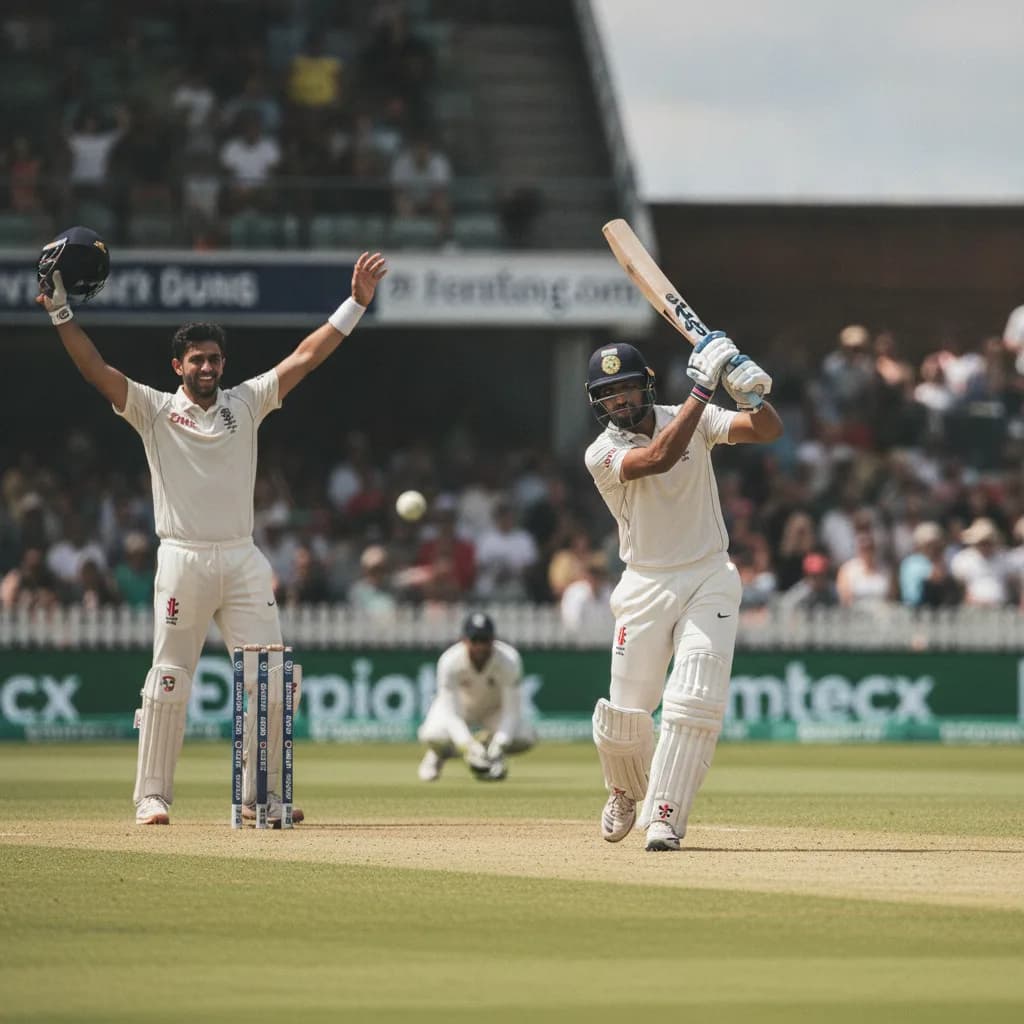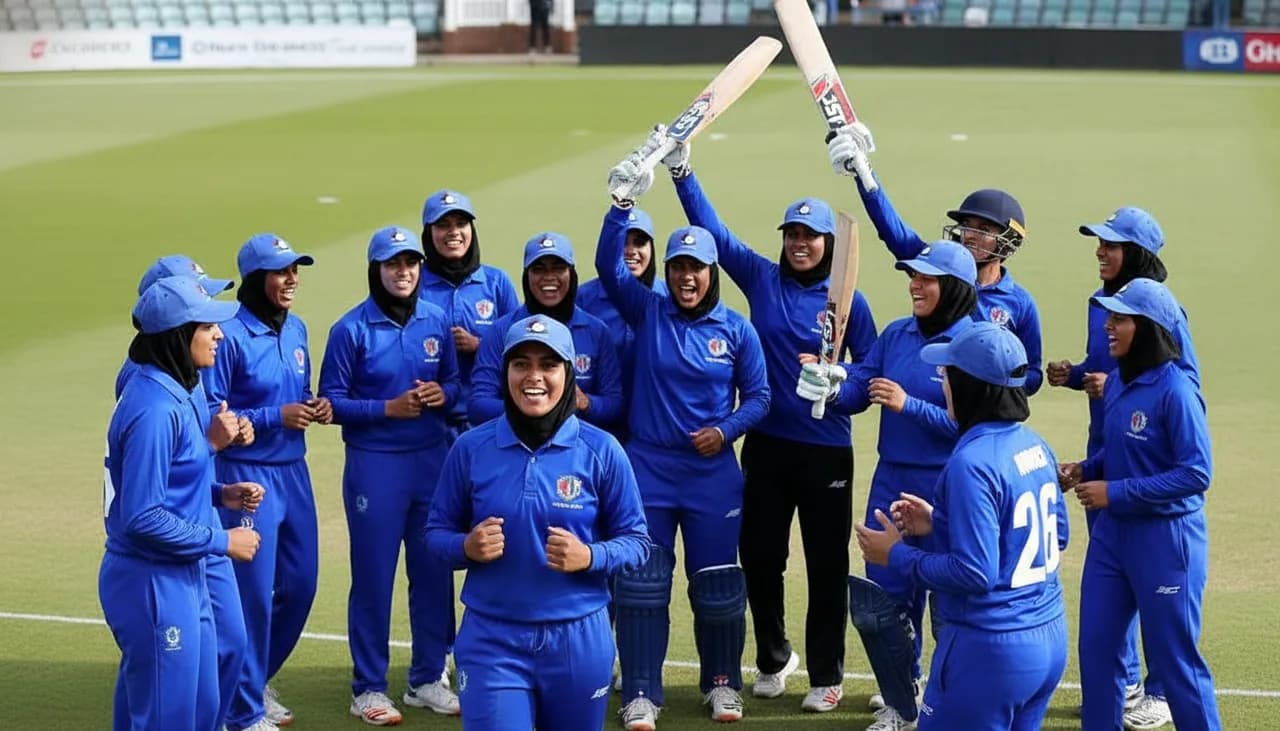
A groundbreaking cricket tour will unfold this summer as the Afghanistan women's refugee team arrives in England, marking another significant milestone in their remarkable journey towards international recognition. These extraordinary athletes, who have maintained their cricketing dreams despite political upheaval, represent far more than sporting excellence—they embody resilience and determination in the face of adversity.
The Journey from Exile to England
Since 2021, over twenty former Afghanistan national team members have been living in exile across Australia, forced to leave their homeland when the Taliban's return to power effectively banned women from participating in organised sport. This displacement created an unprecedented situation in international cricket, with talented athletes suddenly rendered stateless in sporting terms.
The team's cricketing renaissance began with their inaugural competitive fixture in Melbourne during January 2025, whilst they also maintained visibility by travelling to India during the recent 50-over World Cup period. These appearances have been crucial in keeping their cause prominent within the global cricket community.
England Tour Details and Significance
Beginning on 22 June, the tour programme will feature multiple T20 fixtures alongside comprehensive training sessions designed to maintain competitive standards. Perhaps most symbolically, the players will attend the T20 World Cup final taking place in England, providing them with exposure to cricket's biggest stage.
The England and Wales Cricket Board has emphasised the tour's "significant cultural and sporting importance," recognising that this extends well beyond conventional bilateral arrangements. For the betting markets, this tour represents an interesting development as these players continue building their case for formal international status, potentially influencing future Afghanistan women's cricket odds.
International Cricket Council Response
The ICC's establishment of a dedicated taskforce in April last year demonstrated cricket's governing body taking tangible action to support these displaced athletes. Working alongside the ECB, Cricket Australia, and India's cricket board, this initiative included direct financial assistance, though long-term funding arrangements remain uncertain.
This support structure highlights cricket's unique position in addressing what the ECB has termed "nothing short of gender apartheid." The ICC's requirements for full member nations to maintain women's teams creates an ongoing tension, as Afghanistan's men's team retains Test status whilst their female counterparts remain in sporting limbo.
Broader Context and Political Dimensions
The situation extends beyond cricket into diplomatic territory, with England's men's team having no planned bilateral contests against Afghanistan. Their seven previous encounters have occurred exclusively within global tournament frameworks, reflecting the complex political considerations surrounding these fixtures.
Over 200 politicians previously called for England to boycott fixtures against Afghanistan at major tournaments, demonstrating how sporting decisions increasingly intersect with broader human rights concerns.
This summer's tour represents hope personified—athletes who refused to abandon their sporting ambitions despite extraordinary circumstances. Their presence in England will serve as both inspiration and reminder that cricket's values extend far beyond boundary ropes and match results, encompassing fundamental principles of equality and opportunity that transcend political boundaries.