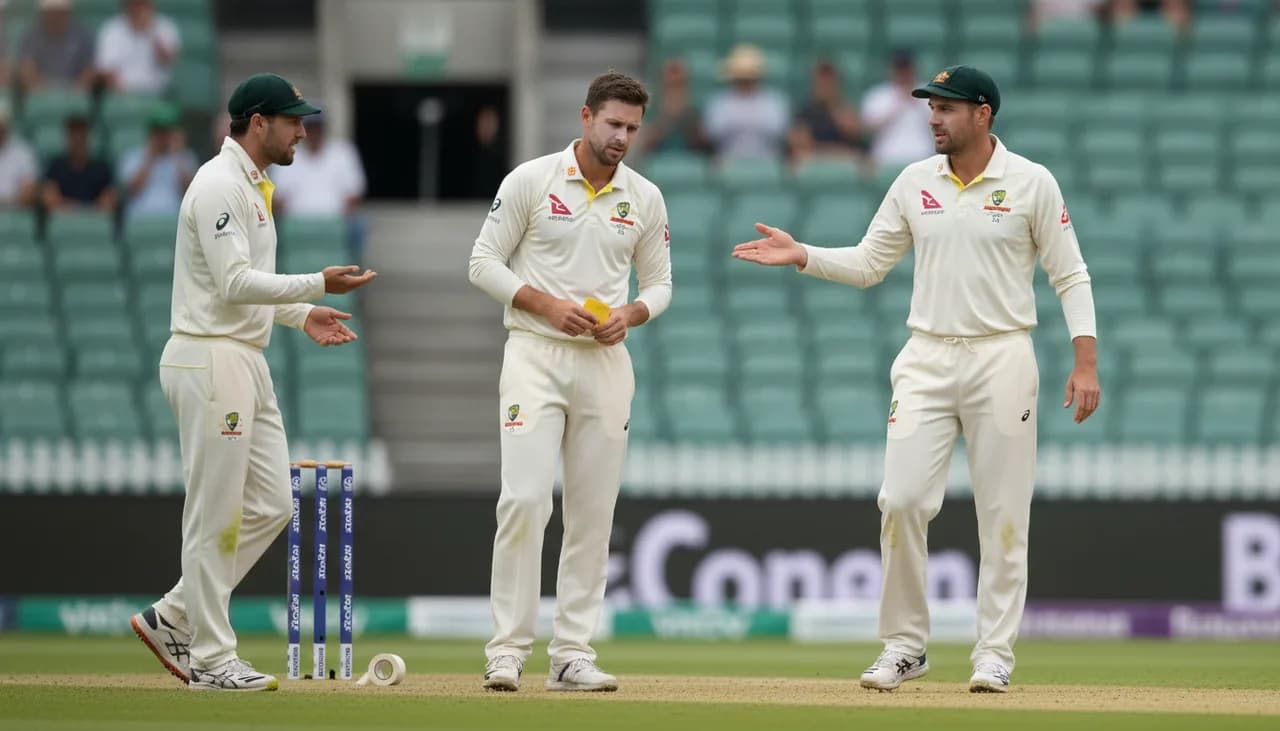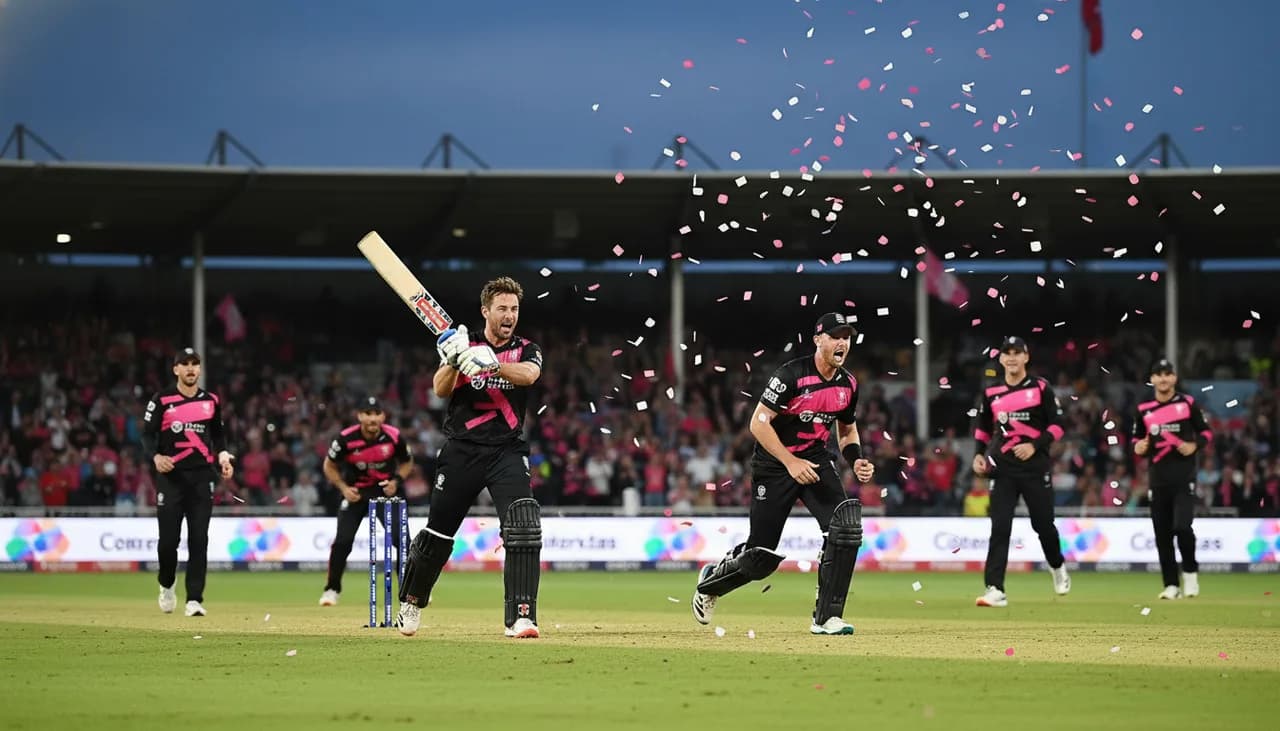
When Somerset take to the field this Friday, they'll be carrying the weight of history on their shoulders. Not since the T20 Blast's inception in 2003 has any county successfully defended their title, making the Cidermen's quest for back-to-back crowns one of the most compelling narratives in domestic cricket. With 14 different counties having tasted glory over the years, Somerset's opportunity to break new ground comes at a particularly intriguing time, as the competition itself undergoes its most significant transformation in recent memory.
Breaking New Ground in Title Defence
Somerset's heroics at Edgbaston last September, where they pulled off a record-breaking run-chase against Hampshire, now serve as the foundation for an unprecedented challenge. The statistical drought is remarkable – across more than two decades of T20 cricket, no defending champion has managed to retain their crown. This historical anomaly makes Somerset's position particularly fascinating for punters, with their outright odds likely to reflect both their recent success and the weight of history working against them. The fact that they'll renew rivalries with Hampshire early in the campaign adds extra spice to their title defence.
Revolutionary Format Changes
The 2026 season introduces sweeping changes designed to enhance both player welfare and competitive integrity. The most significant shift sees the group stage reduced from 14 matches to just 12 per county, with the entire competition compressed into a single block before The Hundred begins. This streamlined approach, developed through collaboration between counties, the ECB, and the Professional Cricketers' Association, promises to create a more intense and focused tournament. The traditional two-group system has been abandoned in favour of three regional sections – North, Central, and South – each containing six teams, mirroring the successful 2020 structure.
New Group Dynamics and Qualification
Somerset find themselves in the Central Group alongside Gloucestershire, Northamptonshire, Birmingham, Glamorgan, and Worcestershire – a varied mix that should provide genuine competitive balance. The qualification system has been refined, with the top two from each group automatically progressing to the quarter-finals, joined by the two best third-placed sides. Each county will play home and away fixtures against their group rivals, totalling 10 matches, plus one additional home game against an external opponent and one away fixture outside their section. This format creates intriguing cross-group encounters that could prove crucial for qualification calculations.
Championship Integration Adds Complexity
Perhaps the most intriguing aspect of the new structure is the integration of two County Championship rounds mid-tournament in June. This scheduling represents a significant departure from previous years and will test squad depth like never before. Counties will need to manage their resources carefully, balancing T20 ambitions with four-day commitments. For Somerset, this could prove either a welcome respite to reset their title defence or a potential disruption to momentum. The compressed timeline means every match carries heightened importance, with little room for slow starts or mid-season slumps that have historically been recoverable.
As Friday approaches, Somerset stand on the cusp of cricketing history. The new format may have altered the landscape, but their quest remains unchanged – to achieve what no county has managed in 23 years of trying. With strengthened squads across the competition and an innovative structure promising enhanced drama, 2026 could finally be the year when the T20 Blast crowns its first successful title defender.