A Promising Idea Runs Into a Familiar Wall
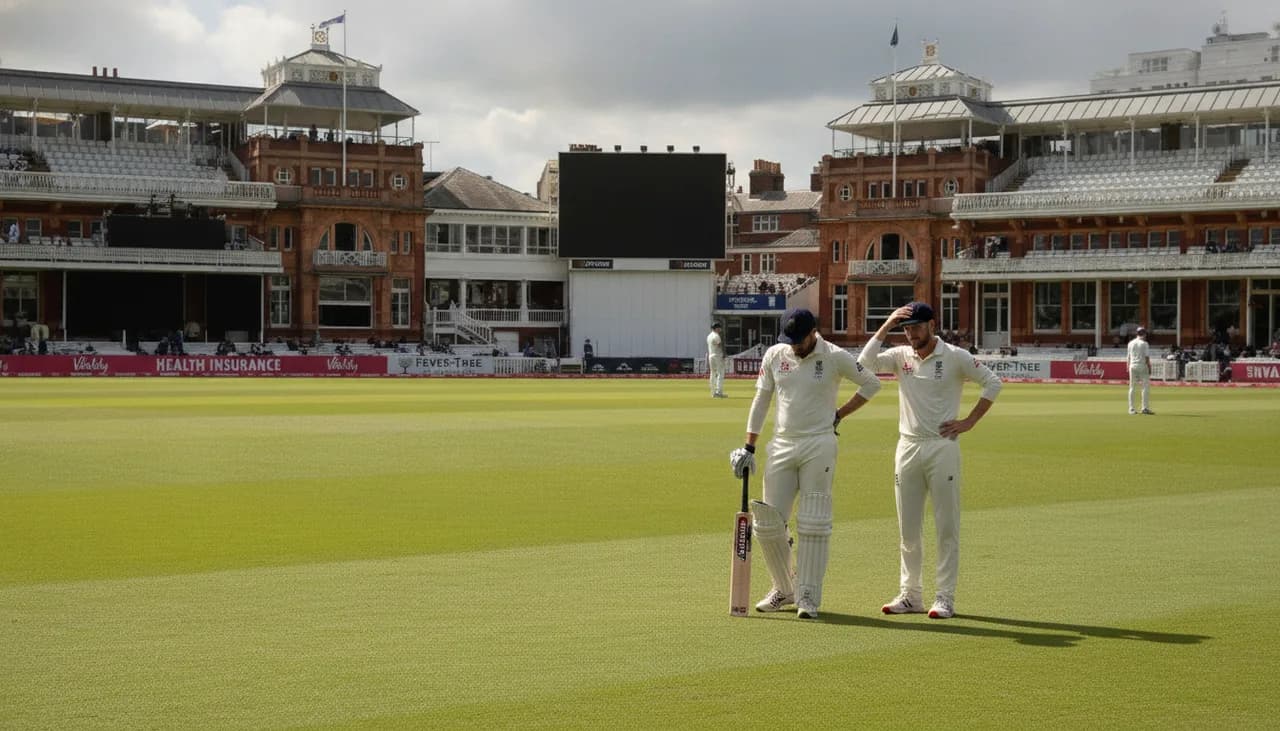
There are moments in cricket administration when the sport's potential for growth collides head-on with institutional caution, and the ECB's blocking of the Euro Nations Cup is a textbook example. Plans for an annual T20 competition involving European cricketing nations had been gathering momentum throughout this year, with organisers daring to dream of a Lord's final as early as next summer. Those ambitions have now been firmly shelved after the ECB declined to approve the staging agreement required to hold T20 international cricket within England and Wales.
As someone who has spent time working within the game at grassroots and development level, I find this decision deeply dispiriting. European cricket doesn't need protecting from ambition — it needs nurturing. The ECB's refusal to engage constructively feels like a step backwards.
Who Was Behind the Tournament and What Did They Want?
The driving force behind the Euro Nations Cup concept has been the cricket boards of Ireland, Scotland and the Netherlands — three nations with genuine cricketing cultures and real talent, but without the financial muscle or infrastructure that English cricket enjoys. Their vision was straightforward: create a regular, competitive T20 platform for European nations in both the men's and women's games, giving players more meaningful international cricket and raising the profile of the sport across the continent.
The Marylebone Cricket Club had reportedly shown enthusiasm for the idea, with Lord's being put forward as a potential final venue. There was also interest in using Sir Paul Getty's ground at Wormsley, where the MCC hold a strategic partnership, for additional fixtures. It appeared, briefly, that the pieces were falling into place.
Why Did the ECB Pull the Plug?
According to sources familiar with the discussions, the ECB's core concern was the reaction it might face from the first-class counties if international cricket were to take place in England during the domestic season. It's a tension that has long defined English cricket governance — the counties wield significant influence, and any perceived threat to their fixture windows or commercial interests tends to be met with resistance from the top.
ECB chief executive Richard Gould had already flagged concerns back in March, pointing to the difficulty of slotting a new tournament around England's packed international schedule. Notably, though, the sticking point isn't just about England's participation — it's about allowing the tournament to happen on English soil at all, even without an England side involved. That distinction matters. This isn't scheduling caution; it's a veto.
It is worth noting that this isn't the first time a European tournament concept has been floated, and ECB officials have historically shown little enthusiasm for such proposals. In that context, the outcome is disappointing but hardly surprising.
What Happens to European Cricket Now?
The fallout within European cricket circles has been one of quiet frustration rather than outrage. Ireland, Scotland and the Netherlands will likely regroup and explore alternative venues and formats, but losing access to the prestige and infrastructure that England offers is a significant blow. A Lord's final would have been a marketing coup for the tournament, potentially attracting broadcasters and sponsors essential to its long-term viability.
From a broader perspective, the ECB's reluctance to act as a facilitator for the wider European game raises questions about its appetite for genuine leadership in the sport. Growing cricket beyond its traditional heartlands requires bold decisions and, sometimes, short-term compromise. Until English cricket's governing body is willing to embrace that, tournaments like the Euro Nations Cup will continue to struggle to find their footing — and the continent's cricketing potential will remain frustratingly untapped.