The Hundred Returns with a New Look
Cricket fans across the UK have plenty to look forward to this summer as The Hundred gears up for its sixth edition, kicking off on Tuesday, 21 July 2026. As someone who has watched this competition evolve since its delayed launch back in 2021, I can say this year feels like a genuine turning point — not just cosmetically, but structurally. New investors, new identities, and a renewed sense of purpose make this arguably the most significant season yet in the tournament's short history.
Big Money, Bigger Stakes
The biggest story heading into 2026 isn't who's batting where — it's what happened off the pitch. Ownership stakes in all eight franchises have now been sold to external investors, generating a remarkable £500 million-plus pot to be distributed across English cricket's 18 counties. On top of that, a minimum of £50 million has been ringfenced for grassroots participation. For those who've long argued that The Hundred needed to give back to the wider game, this is a significant step. Whether it translates into tangible benefits at club level remains to be seen, but the scale of investment is genuinely hard to argue with.
Three Teams, Three New Names
If you haven't been keeping up, you might be surprised when you tune into the BBC this summer. Three franchises have rebranded ahead of the new season. Manchester Originals are now the Manchester Super Giants, Northern Superchargers have become Sunrisers Leeds, and the Oval Invincibles have transformed into MI London. All three rebrands are directly tied to incoming investment from groups with IPL connections — and the new names clearly reflect those partnerships. It's a bold move, and one that will divide opinion. Traditionalists may bristle, but from a commercial standpoint, linking UK franchises to some of the world's most recognised cricket brands is a shrewd piece of positioning. Expect the betting markets to take a close look at these newly resourced sides — MI London and Sunrisers Leeds in particular could see their outright odds shorten considerably as punters assess the impact of IPL-affiliated coaching and recruitment networks.
BBC Coverage and What's New for Viewers
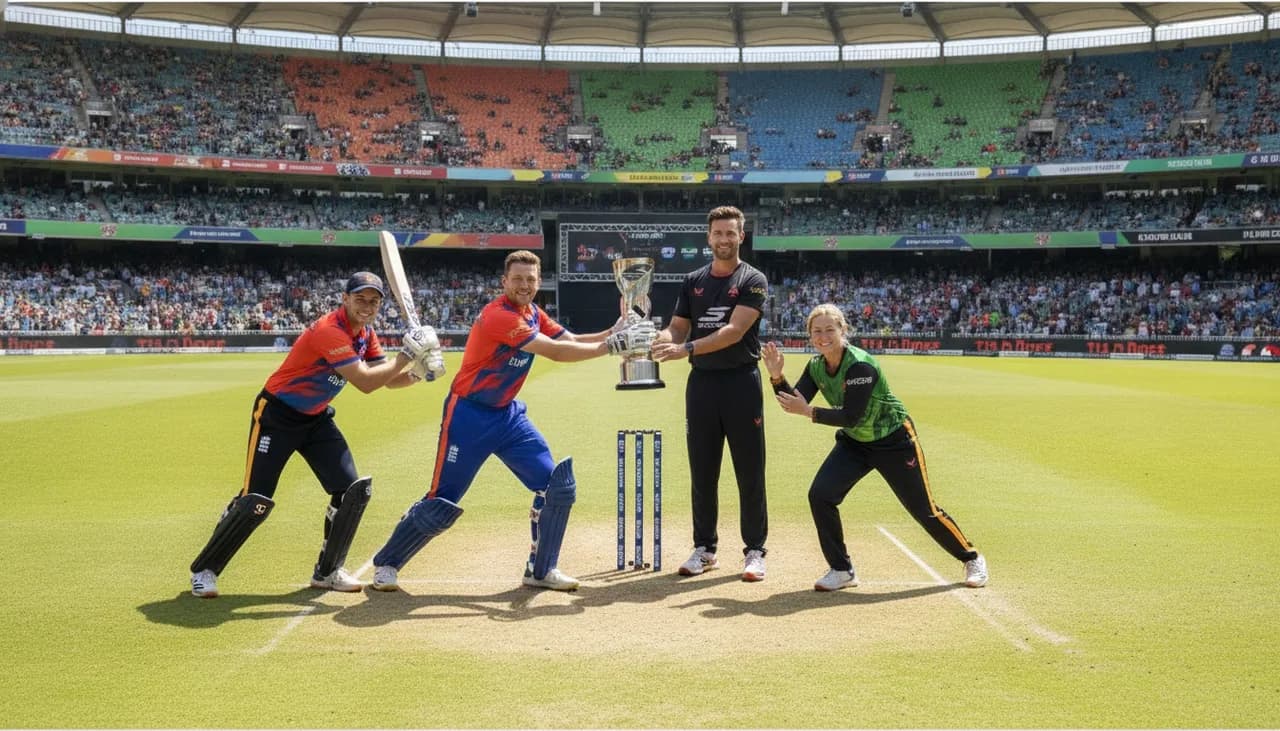
The BBC have confirmed 16 matches for free-to-air television coverage across the 2026 season, ensuring the competition remains accessible to the widest possible audience. One notable addition this year is a combined men's and women's trophy, which is a welcome development and something I think adds real meaning to the simultaneous scheduling of both tournaments. The format itself remains unchanged — each side faces 100 balls, bowlers are limited to 20 balls apiece in sets of five or ten, and a 25-ball powerplay restricts the fielding side to just two boundary fielders. Matches are designed to wrap up in around two and a half hours, keeping things tight and television-friendly.
A Format Still Finding Its Feet — But Growing Fast
Having coached at various levels of the domestic game, I've always appreciated what The Hundred is trying to do — broaden cricket's appeal without dismantling what makes the sport great. The 2026 edition feels like the moment the tournament steps out of its experimental phase and into something more permanent. With serious money now underpinning the competition, a free-to-air broadcaster committed to showcasing 16 fixtures, and a draft system shaping genuinely competitive squads, there's every reason to believe this summer will deliver the tournament's best cricket yet. Mark 21 July in your diary — it's going to be a lively one.