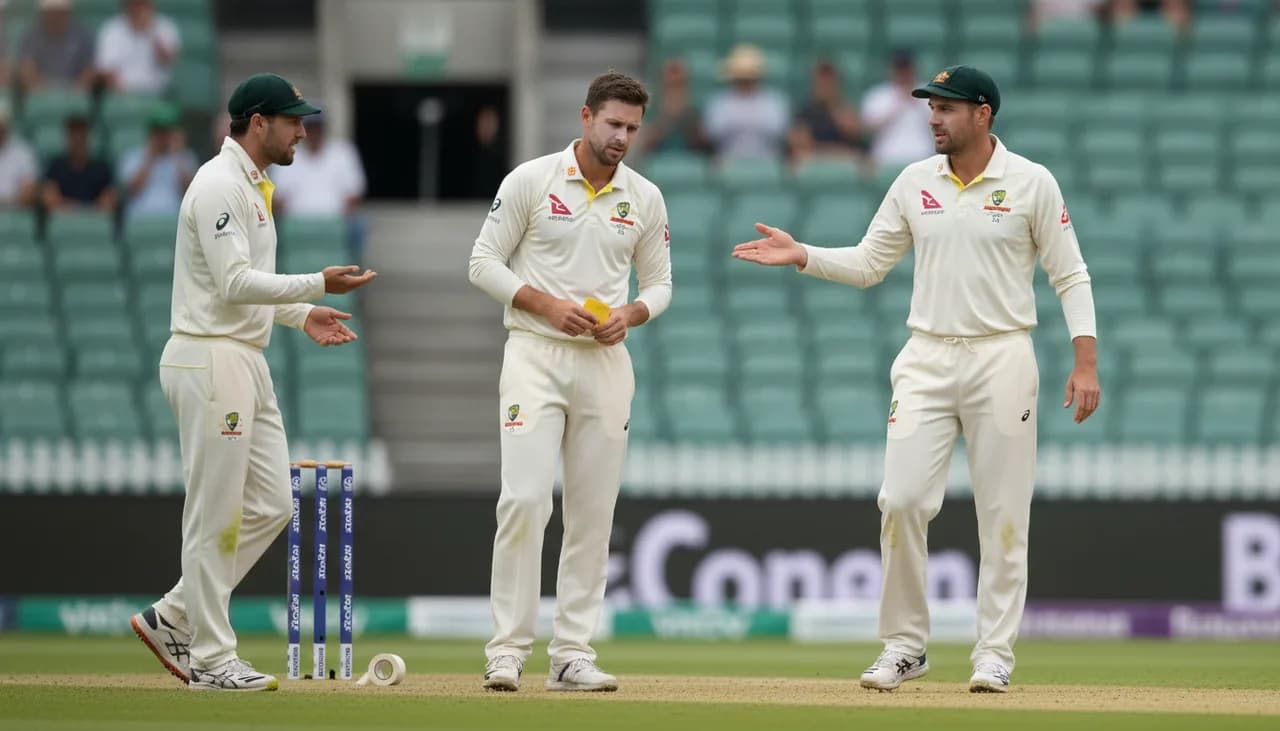
A Moment That Changed the Final
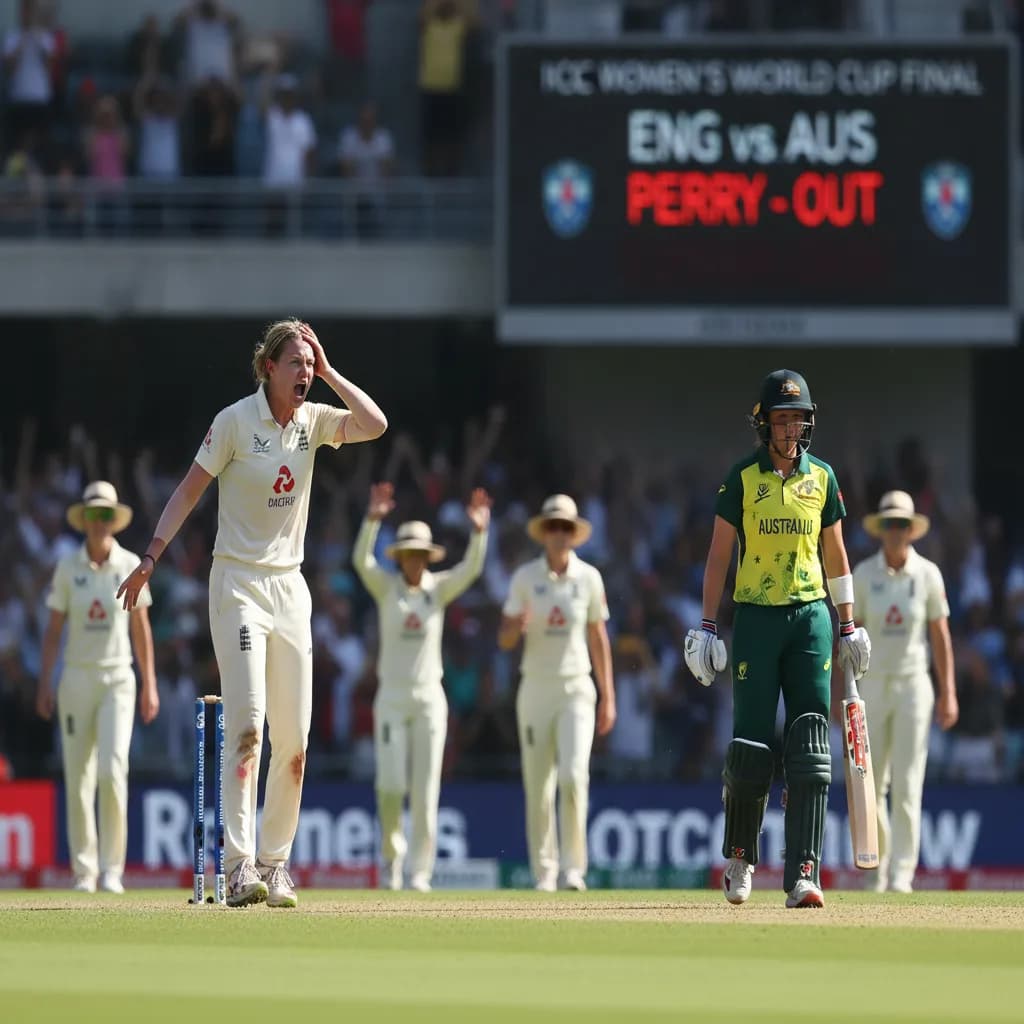
There are moments in sport that leave you speechless, and the ICC Women's T20 World Cup final at Lord's produced one of them. Sophie Ecclestone, England's world-class left-arm spinner and arguably the best bowler on the planet in this format, was visibly incensed after the third umpire overturned a caught-out decision to keep Australia's Ellyse Perry in the middle during a crucial phase of the match. For those watching on, it was the kind of call that shifts momentum entirely — and in a World Cup final, momentum is everything.
What Happened in the Closing Stages
With England pushing hard for wickets and Australia needing to hold their nerve, a catch was initially given out by the on-field umpire, only for a referral to the third umpire to result in a not-out verdict for Perry. Ecclestone, whose competitive edge is one of her greatest strengths, made no effort to hide her feelings about the decision. The England camp felt the call was wrong, and the footage of Ecclestone's reaction told its own story. Perry, a vastly experienced campaigner who has won World Cups before and knows how to make the most of a reprieve, was able to continue her innings at what proved to be a pivotal point in the contest.
The Wider Impact on England's Campaign
England had fought hard throughout the tournament to reach the final at their home of cricket, and a decision of this magnitude in the dying overs felt particularly cruel. As a former coach, I've seen these moments derail even the most composed sides. When you believe you've taken a wicket and the umpire takes it away, it's not just one batatter you're dealing with — it's the psychological blow that ripples through the entire fielding unit. Ecclestone, to her credit, kept bowling, but the fire in her eyes said everything about how the England dressing room viewed the ruling. Australia ultimately went on to win the title, crushing England's hopes of lifting the trophy on home soil.
Officiating Under the Microscope Again
This incident will inevitably reignite the debate around third umpire technology and the standard of officiating at the highest level of women's cricket. The ICC has invested heavily in growing the women's game, and part of that commitment must extend to ensuring that the officiating infrastructure matches the occasion. A World Cup final at Lord's deserves decisions that are beyond dispute. Whether the technology available was sufficient to conclusively overturn the on-field call is a question the ICC will need to answer transparently. From a betting perspective, England had been competitive in the outright markets coming into the final, but this decision at such a critical juncture arguably shifted the balance of the match — and ultimately the result — in Australia's favour.
For Ecclestone and England, the hurt of this defeat will linger, particularly given the manner in which that controversial moment unfolded. But if there is any consolation, it is that England showed they belong on the biggest stage. With the talent in their squad and the hunger that a near-miss breeds, they will be back — and they will be stronger for it.