When it comes to cricketing rivalries, few can match the intensity and history of the Ashes Series. This long-standing contest between England and Australia has been etched into the annals of the sport, captivating cricket fans worldwide for well over a century.
Origins of the Ashes
The story begins in the summer of 1882 when Australia, represented by an English cricket team, managed to defeat the English at The Oval in London. The shock and disbelief that engulfed English cricket enthusiasts were so profound that The Sporting Times published a mock obituary, stating that English cricket had died and "the body will be cremated and the ashes taken to Australia." And with that, the Ashes were born.
This historic moment laid the foundation for one of the most enduring rivalries in the world of sports. The urn containing the symbolic ashes became the prize in subsequent Test matches between England and Australia, sparking a fierce rivalry that would continue to burn for generations.
The Birth of a Legendary Rivalry
The rivalry between England and Australia quickly evolved into something beyond a mere sporting contest. It became a battle of national pride, an emblem of cricketing supremacy, and a test of character and resilience. The Ashes Series became a platform for some of the most thrilling, dramatic, and nail-biting moments in cricket history.
Throughout the late 19th and early 20th centuries, the Ashes encounters were intensely competitive, with both teams eager to prove their dominance. Legends like Sir Donald Bradman, Sir Ian Botham, Shane Warne, and Sir Vivian Richards emerged from the crucible of Ashes battles, etching their names in cricketing folklore.
As the years rolled on, the Ashes Series continued to capture the imagination of cricket enthusiasts worldwide. It transcended the boundaries of sport, encompassing cultural significance and historical context. The battles on the pitch were not just about winning or losing; they were about preserving and enhancing national pride.
The Ashes Trophy: A Symbol of Prestige
At the heart of the Ashes Series lies the iconic Ashes urn, a symbol of prestige and cricketing glory. This tiny, fragile trophy is arguably one of the most revered in the world of sports. Standing at just 11 centimeters tall, it's a stark contrast to the towering statues and gleaming cups we often associate with sporting achievements.
Yet, its diminutive size belies the immense weight it carries in the cricketing world. The urn is made of terracotta and is believed to contain the ashes of a burnt cricket bail or a set of bails. While its origins are somewhat mysterious, there's no doubt about the significance it holds for cricketers and fans alike.
The urn is housed in the Marylebone Cricket Club (MCC) Museum at Lord's Cricket Ground in London. While the actual urn never leaves the museum due to its fragile condition, a larger replica is used to represent the trophy during the Ashes contests.
To the victor goes the spoils, and the team that wins the Ashes Series gets to retain the urn until the next encounter. This simple yet elegant trophy is a constant reminder of the rich history and tradition of the Ashes rivalry.
The Greats of Ashes History
One of the most captivating aspects of the Ashes Series is the assembly of cricketing legends it has witnessed over the years. From the swashbuckling style of Sir Don Bradman to the fiery pace of Dennis Lillee, these contests have seen some of the finest cricketers grace the pitch.
Bradman, often considered the greatest batsman in cricket history, amassed a staggering 5,028 runs in just 37 Ashes Tests, with an astonishing average of 89.78. His sheer dominance over the English bowlers during the 1930 Ashes series is the stuff of legend, where he scored a monumental 974 runs in just seven innings.
But the Ashes rivalry isn't just about batting. Legendary bowlers like Shane Warne, Fred Trueman, and Glenn McGrath have left an indelible mark. Warne's 'Ball of the Century' to dismiss Mike Gatting in 1993 is still discussed in reverent tones among cricket aficionados.
These cricketing giants, along with many others, have showcased their talent, resilience, and character in the cauldron of Ashes battles. Their performances have not only defined the series but have also shaped the history of the sport itself.
Historic Ashes Moments
The Ashes Series has been a theater of captivating moments that have kept cricket enthusiasts on the edge of their seats for generations. From stunning comebacks to nerve-wracking finishes, these moments have become an integral part of cricket folklore.
One such iconic moment occurred during the 1981 Ashes series, often dubbed "Botham's Ashes." England, under the leadership of Ian Botham, found themselves in dire straits, trailing 1-0 in the series. But Botham, with his aggressive batting and inspired captaincy, orchestrated a miraculous turnaround. His heroic performances with both bat and ball turned the series on its head, and England clinched a famous victory.
Then there was the infamous Bodyline series of 1932-33, where England devised a controversial tactic to curb Bradman's dominance. The use of leg theory, which involved bowlers targeting the batsman's body, sparked heated debates and strained relations between the two nations.
These are just glimpses of the drama and intrigue that the Ashes Series has consistently delivered. It's a testament to the unpredictability and the sheer passion that this rivalry invokes, where heroes are made, and legends are born.
Ashes Venues: Where Legends Are Forged
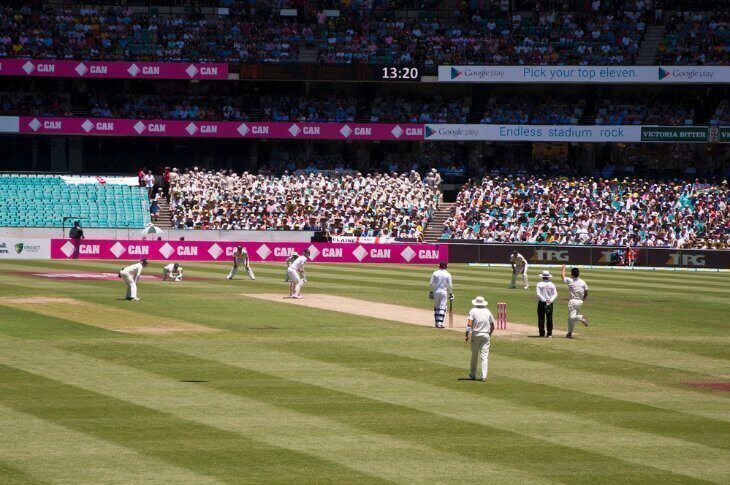
The Ashes Series has graced some of the most hallowed cricket grounds, each with its own unique character and history. These venues have been witness to extraordinary feats and unforgettable moments that have defined the series.
The Melbourne Cricket Ground (MCG), often referred to as the 'G,' holds a special place in Ashes history. It's the largest stadium in Australia and has hosted more Ashes Test matches than any other venue. The Boxing Day Test at the MCG is a tradition that cricket enthusiasts around the world eagerly await, with the iconic venue turning into a sea of cricket fans.
On the other side of the globe, Lord's Cricket Ground in London stands as the spiritual home of cricket. The Long Room, the Pavilion, and the honours boards that adorn its walls all bear testimony to the Ashes battles that have unfolded on its turf. A century at Lord's is a mark of cricketing immortality, and an Ashes century at Lord's is etched into history with even more significance.
Then there's the Gabba in Brisbane, a fortress for the Australian team. It's here that they often set the tone for the series with their relentless pace attack. The WACA Ground in Perth, known for its lightning-fast pitches, has been another battleground where bowlers have unleashed their fury.
Strategies and Tactics in Ashes Battles
While the Ashes Series is known for its intense rivalries and legendary players, it's also a showcase of strategic brilliance and tactical innovation. The battle isn't just about who can hit the ball the furthest or bowl the fastest; it's a mental chess game that requires astute planning and execution.
Throughout Ashes history, teams have employed a wide range of strategies to outsmart their opponents. From the 'Bodyline' tactics employed by England in the 1932-33 series to neutralize Sir Don Bradman to the innovative field placements and bowling variations introduced by Shane Warne, the Ashes have been a breeding ground for cricketing innovation.
One key aspect of Ashes strategy is adapting to the conditions. The pitches in Australia, with their pace and bounce, demand a different approach compared to the seaming conditions in England. Captains and coaches must carefully assess the conditions and select their team accordingly, making it a true test of cricketing acumen.
Moreover, the mental battle is just as critical as the physical one. The Ashes rivalry can be emotionally charged, and maintaining composure under pressure is paramount. Captains must make crucial decisions, bowlers must adapt their game plans on the fly, and batsmen must find ways to negotiate the relentless pace and spin. The Ashes isn't just a test of skill; it's a test of character.
Ashes Down Under: Australia's Dominance
The Ashes Series is synonymous with passionate cricketing rivalry, and no place encapsulates this more than Australia. The land Down Under has been a formidable fortress for the Australian team, where they've crafted many memorable victories over their English counterparts.
One of the factors that make Australia a tough place for visiting teams is the pitches. With their pace, bounce, and often hostile conditions, Australian pitches have been a real challenge for English batsmen. This home advantage has historically given Australia the edge, and the Australian team has consistently been a force to be reckoned with on their turf.
The dominance of Australian cricketers in the Ashes can be seen in the record books. Sir Donald Bradman's extraordinary batting average of 89.78 in Ashes Tests speaks volumes about the level of dominance he achieved. Bowlers like Dennis Lillee and Shane Warne have left an indelible mark with their performances on Australian soil.
The rivalry between the two nations has been particularly fierce when the Ashes are contested in Australia. The famous 'Gabbatoir' at the Gabba in Brisbane, the lively WACA in Perth, and the iconic MCG in Melbourne have witnessed some of the most memorable Ashes battles.
Ashes in England: Home Advantage
While Australia may have its strongholds, England too boasts a rich tradition of hosting Ashes clashes. The conditions in the United Kingdom provide a different set of challenges for both teams, and it's often said that "playing away" in the Ashes can be an even more formidable test.
One of the key factors in Ashes cricket in England is the swinging and seaming conditions. The lush green pitches, overcast skies, and the iconic Duke cricket ball can make life incredibly tough for batsmen. The ability to move the ball both ways through the air and off the seam poses a stern examination of technique and temperament.
Historically, English teams have thrived in these conditions, with swing bowlers like James Anderson and Stuart Broad making the most of their home advantage. English batsmen have learned to cope with the moving ball, and home-ground knowledge can be a significant asset in deciding the fate of the urn.
The English crowds, too, play a crucial role. The Barmy Army, as the passionate English supporters are known, creates an electric atmosphere at the grounds, often providing that extra bit of motivation for the home team.
Matches in England have produced some of the most nail-biting and unpredictable outcomes in Ashes history. The weather can also be a game-changer, with rain interruptions and the infamous English summer playing their part in determining the course of matches.
The Ashes Uncovered: Behind the Scenes
While the Ashes Series is played out in the spotlight of international cricket, there's a world behind the scenes that adds depth and richness to the story. From the meticulous planning and preparation of teams to the tales of grit and determination, the off-field aspects of the Ashes are equally captivating.
One of the most critical aspects behind the scenes is team preparation. Months, if not years, of planning go into selecting the right squad, devising strategies, and honing skills. Coaches, analysts, and support staff work tirelessly to ensure the team is in peak physical and mental condition.
The rivalry extends to the fans as well. The banter, friendly jibes, and passionate debates that occur in the lead-up to and during the Ashes contests add a layer of excitement to the series. The colourful banners, costumes, and chants of the Barmy Army and Australian fans are all part of the Ashes experience.
Then there are the personal stories of triumph and struggle. The journey of a young cricketer dreaming of representing their country in an Ashes series, the sacrifices made by families, and the highs and lows of being part of this historic contest—all these narratives enrich the tapestry of the Ashes Series.
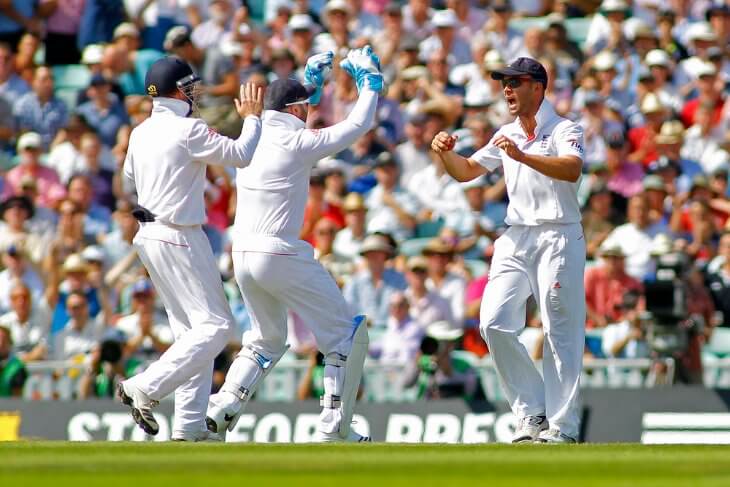
The Modern Ashes: A Continuing Saga
As we bring our exploration of the Ashes Series into more recent times, it's evident that this iconic cricketing rivalry has lost none of its allure. In fact, the modern Ashes contests have added new dimensions to the age-old saga.
In the contemporary era, the Ashes are no longer just a biennial event; they've become a year-round narrative. With Test series alternating between Australia and England every two years, there's a sense of perpetual anticipation. Cricket enthusiasts eagerly await news of team selections, pitch conditions, and the latest banter between players on social media.
The introduction of day-night Test matches and the pink ball has injected fresh excitement into the series. These innovations have brought a new audience to the traditional format of the game, with floodlit Ashes encounters drawing in spectators who might not otherwise have experienced the magic of Test cricket.
The Ashes rivalry has also transcended the boundaries of the cricket field. It's become a marketing phenomenon, with sponsors, broadcasters, and merchandise capitalizing on the appeal of this historic contest. The Ashes theme song, iconic imagery, and catchphrases like "It's just not cricket" have become part of popular culture.
In recent years, women's Ashes series have gained prominence too, further expanding the scope of this cricketing spectacle. The women's teams of England and Australia have displayed their skills and determination, carving out their own place in Ashes history.
Conclusion: The Eternal Flame of the Ashes Rivalry
As we wrap up our exploration of the Ashes Series, one thing becomes abundantly clear—the flame of this rivalry burns brighter than ever. For more than a century, cricket fans have been treated to a spectacle that transcends sport itself.
From its humble beginnings as a mock obituary to the grandeur of modern-day cricket, the Ashes Series has grown into a narrative that encompasses tradition, innovation, history, and passion. It's a testament to the enduring appeal of the game and the indomitable spirit of the players who take part.
The Ashes are more than just a contest between two cricketing nations; they're a testament to the spirit of competition, the pursuit of excellence, and the unbreakable bond between players and fans. Whether played under the blazing Australian sun or the overcast English skies, the Ashes Series continues to captivate the imagination of cricket enthusiasts worldwide.
For more information:
- UK’s Most Historic Cricket Matches
- Legendary English Cricket Players and Their Achievements
- Famous Cricket Grounds in England and Wales
- Cricket Trophies and Awards: Significance and History
The 2025-26 Ashes: Australia's Ruthless Retention
The 2025-26 series will be remembered as one of the most emphatic Ashes campaigns in recent memory. Australia secured the urn in just 11 playing days across the first three Tests — the fastest series retention since 2002-03 — before finishing with a commanding 4-1 scoreline.
A Statement in Perth
Mitchell Starc set the tone from the very first ball of the series at Optus Stadium. His career-best 7/58 in England's first innings dismantled the tourists inside a day, claiming the wickets of Crawley, Duckett, Root, Stokes, Smith, Atkinson and Wood. Nineteen wickets fell on day one alone, with Stokes replying with a five-wicket haul of his own, but Australia's batting depth proved decisive. The hosts wrapped up an eight-wicket victory inside two days.
Brisbane and Adelaide: The Ashes Sealed
The Gabba day-night Test followed a similar pattern. Despite England posting a competitive 334 in their first innings, Australia's reply of 511 — anchored by Travis Head's extraordinary 123 off just 69 balls, the second-fastest Ashes century in history — put the match beyond reach. Another eight-wicket defeat left England staring at an early series loss.
Adelaide confirmed the inevitable. Australia compiled 371 and 349, and though England fought hard with 286 and 352 in the chase of 435, an 82-run defeat handed Australia an unassailable 3-0 lead. The urn was staying in Australian hands.
The Boxing Day Breakthrough
The Fourth Test at the MCG provided a moment of genuine history. In front of a record Boxing Day crowd of 94,199 — the largest in Australian cricket history — England produced a performance of raw intensity on a surface the ICC later rated 'unsatisfactory' for its excessive assistance to bowlers. Australia were bowled out for 152 and 132, with Josh Tongue claiming a Player of the Match five-wicket haul and Brydon Carse and Stokes sharing seven wickets between them.
Chasing 175 for victory, England wobbled to 178/6 but held their nerve. It was their first Test victory in Australia in 15 years and ended an 18-match losing streak on Australian soil in Ashes cricket. The scenes at the MCG were unforgettable — a dead rubber, perhaps, but a result that carried enormous emotional weight.
Sydney: Australia's Emphatic Full Stop
The Fifth Test at the SCG brought the series to a fitting close. England's 384 and 342 represented their best batting of the tour, but Australia's colossal 567 — with Head again prominent — set up a five-wicket victory. The 4-1 scoreline told a clear story of Australian dominance.
The Key Performers
Mitchell Starc was the undisputed star, collecting the Compton-Miller Medal after finishing with 31 wickets at 19.93 and two half-centuries with the bat. His haul placed him alongside Shane Warne, Mitchell Johnson and Glenn McGrath in the exclusive club of bowlers who have taken 30 or more wickets in an Ashes series. Starc also surpassed Wasim Akram to become the highest wicket-taking left-arm fast bowler in Test history during the campaign.
- Top run-scorer: Travis Head — 629 runs at 62.90, including three centuries
- Leading England bat: Joe Root — 400 runs at 44.44, with two centuries
- Top wicket-taker: Mitchell Starc — 31 wickets at 19.93
- Leading England bowler: Brydon Carse — 22 wickets at 30.31
Looking Ahead: The 2027 Ashes in England
The Ashes returns to English soil in the summer of 2027, and this time the narrative shifts significantly. England's only home Ashes defeat since 2001 came in 2015, and their record on familiar pitches gives genuine cause for optimism despite the 4-1 scoreline in Australia.
The ECB has confirmed five venues for the 2027 series: Lord's, The Kia Oval, Edgbaston, Trent Bridge and the Utilita Bowl (formerly the Ageas Bowl) in Southampton. The latter's inclusion is historic — it will be the ground's first ever men's Ashes Test, ending a quarter-century campaign by Hampshire Cricket to host the sport's greatest rivalry.
Exact dates are expected to be confirmed in summer 2026, but the series will follow the traditional June-August window. With England's seam-friendly conditions, the emergence of Carse and Tongue as genuine pace threats, and the experience of Root and Brook in home conditions, England will fancy their chances of reclaiming the urn. Whether Australia's ageing pace attack — Starc, Cummins and Hazlewood — can produce similar heroics on English surfaces remains the central question.
One thing is certain: after 142 years and counting, the Ashes rivalry shows no sign of dimming.