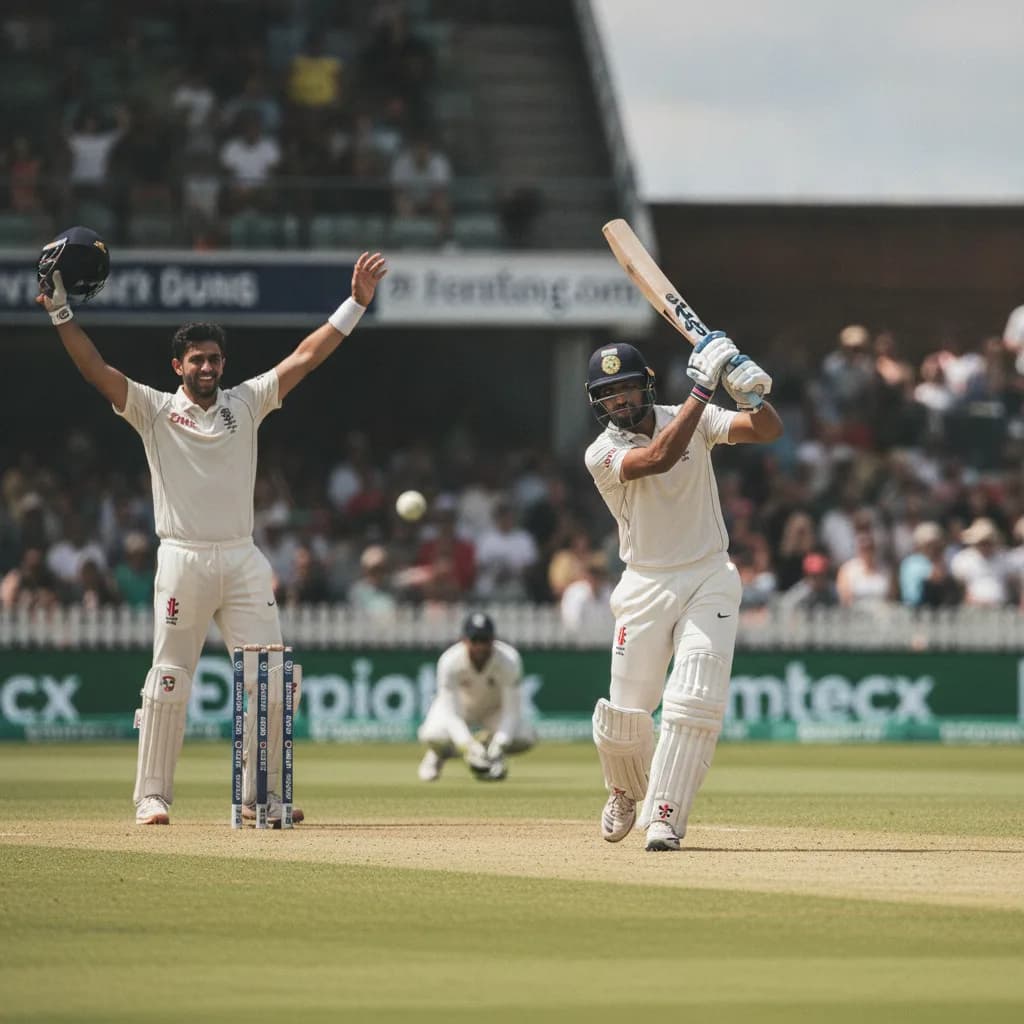
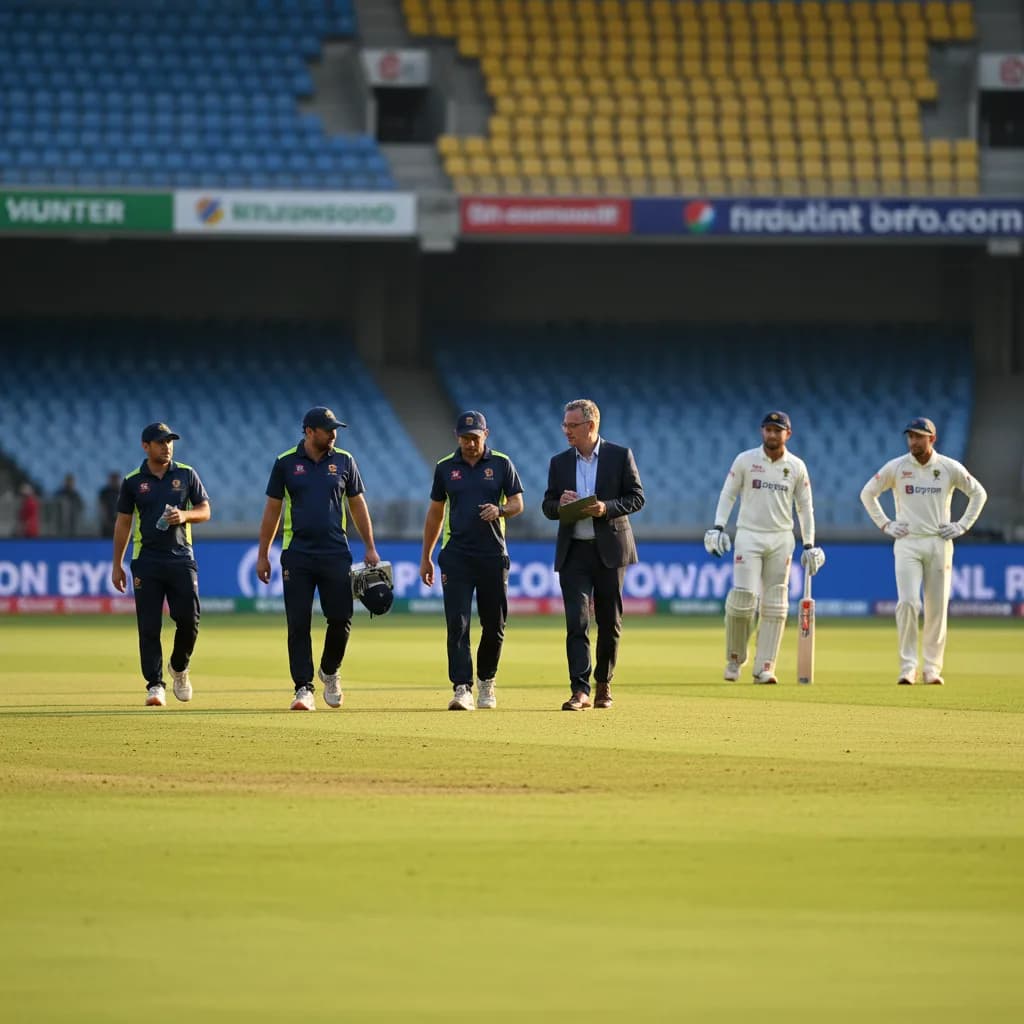
Cricket's integrity hinges on fair contests between bat and ball, which is precisely why the International Cricket Council operates a comprehensive pitch assessment system. Following every Test match, ODI, and T20I worldwide, match referees conduct detailed evaluations that can make or break venue reputations and influence future fixture allocations.
The Four-Tier Assessment Framework
The ICC's evaluation system operates on four distinct levels, each reflecting different playing characteristics. At the pinnacle sits 'very good', reserved for surfaces offering excellent carry with minimal seam movement, reliable bounce patterns, reasonable early turn for spinners, and natural deterioration over five days. These represent the gold standard that groundsmen worldwide aspire to achieve.
'Satisfactory' pitches demonstrate variations in carry, bounce, or spin throughout matches but still provide reasonable contests. The majority of international venues typically fall within this bracket, offering competitive cricket without heavily favouring either discipline.
However, when surfaces fail to facilitate balanced competitions between batting and bowling sides, they receive 'unsatisfactory' ratings. Recent Melbourne Cricket Ground controversies exemplify this category - pitches deemed excessively bowler-friendly can shift championship betting odds dramatically when visiting teams struggle to post competitive totals.
Safety-First Approach
The most serious classification remains 'unfit', reserved exclusively for dangerous surfaces compromising player welfare. These ratings immediately trigger investigations and potential venue suspensions, reflecting cricket's commitment to participant safety above commercial considerations.
Match referees analyse multiple technical factors including bounce consistency, lateral movement patterns, and deterioration rates. Their post-match reports carry significant weight, often influencing venue selections for future series and impacting bookmaker assessments of home advantage factors.
Outfield Standards and Consequences
Beyond pitch conditions, officials simultaneously evaluate outfield quality using simplified criteria. 'Satisfactory' surfaces feature consistent grass coverage, even bounce characteristics, appropriate pace, and adequate drainage systems. Problems arise with excessive bare patches, irregular bounce patterns, sluggish pace, or poor drainage - all earning 'unsatisfactory' designations.
Like pitches, outfields posing safety risks to fielders or bowlers automatically receive 'unfit' classifications. The consequences prove substantial: venues earning unsatisfactory ratings for either pitch or outfield conditions receive demerit points, creating accountability systems that encourage groundskeeping excellence.
Impact on Modern Cricket
This rating framework influences far more than administrative records. Venues consistently producing poor surfaces risk losing lucrative international fixtures, while groundsmen face professional scrutiny that can define careers. For punters, understanding these assessments provides valuable insights into likely match dynamics and helps inform strategic betting decisions across different venue types.
The system ultimately serves cricket's broader interests by maintaining competitive standards whilst protecting player welfare - ensuring the sport's marquee fixtures deliver the quality contests that fans, players, and stakeholders rightfully expect from international cricket.