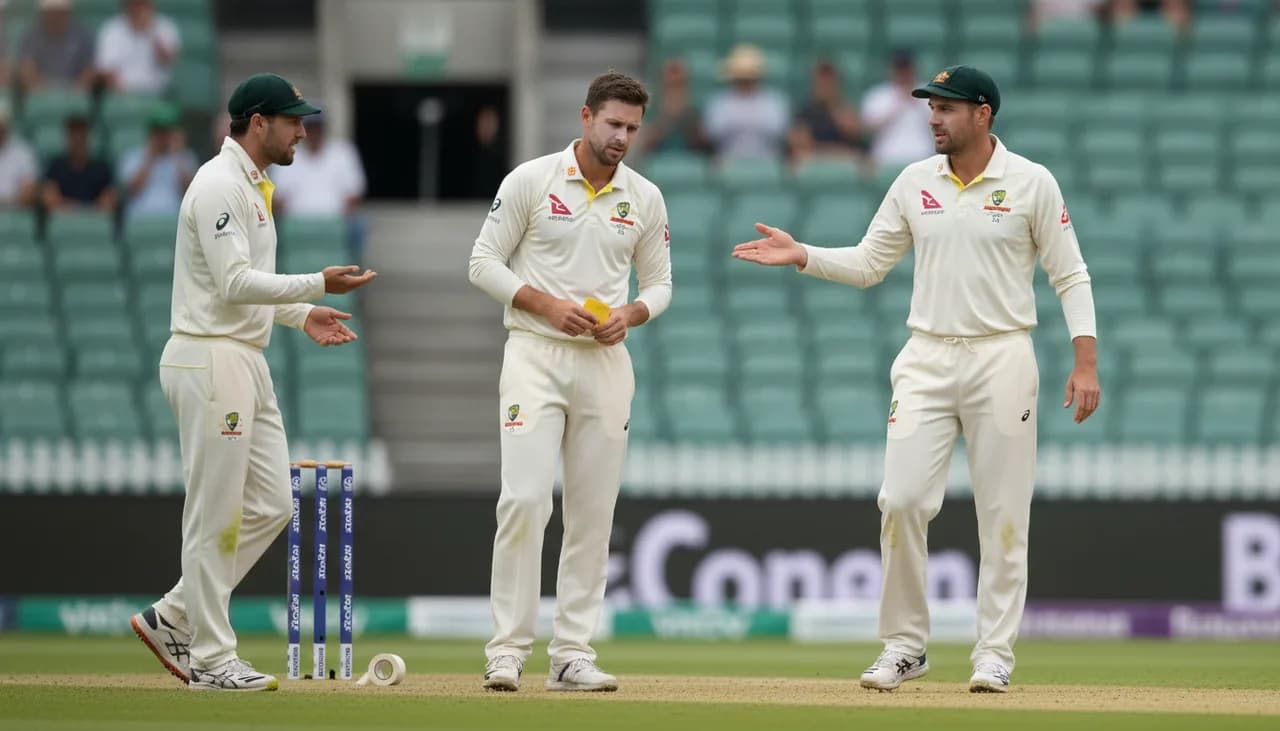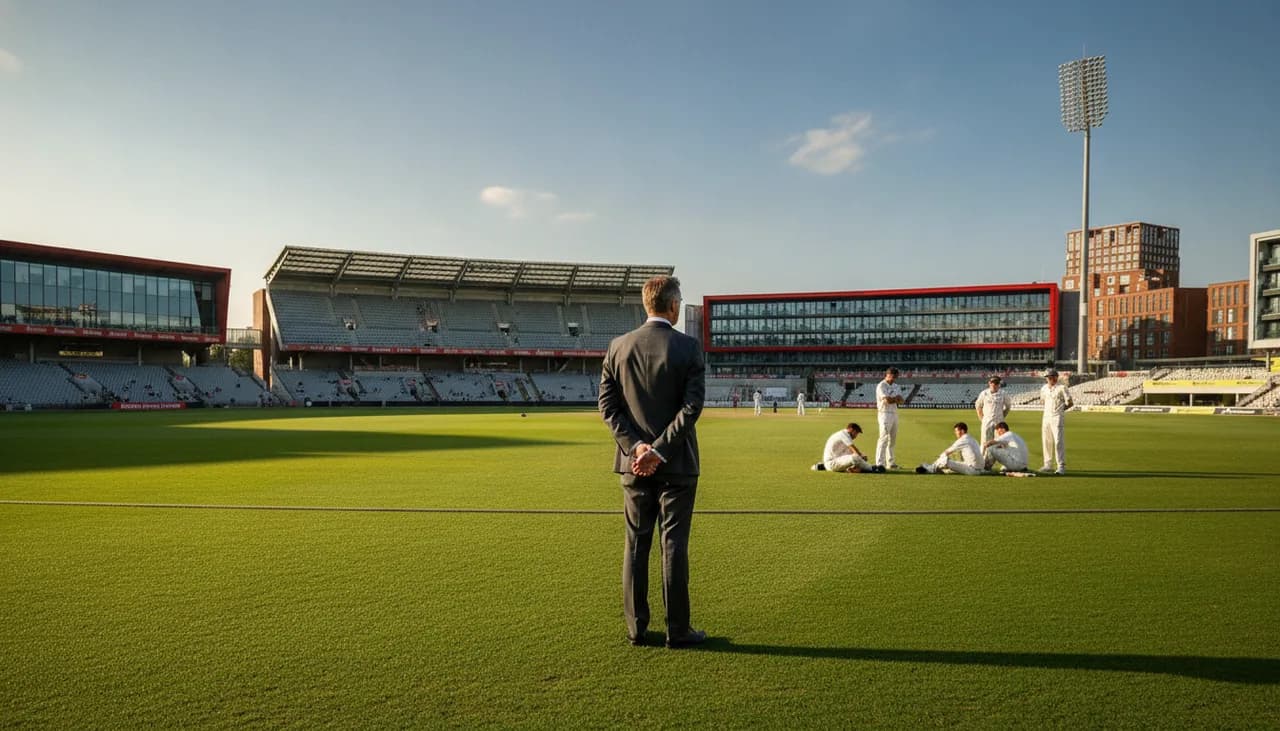
HOVE — The Sussex County Cricket Club has been plunged into a fresh period of uncertainty following the resignation of its chairman, Jon Filby, in the wake of severe financial sanctions imposed by the England and Wales Cricket Board (ECB).
Filby’s departure, confirmed by the club on Tuesday, comes just weeks after Sussex were hit with a 12-point deduction in the 2025 County Championship and a four-point penalty in the 2025 T20 Blast for breaching the ECB’s financial regulations. The penalties stem from a failure to meet the board’s financial reporting deadlines, a symptom of deeper fiscal troubles at the historic club.
A Legacy Under Financial Strain
Jon Filby, an Oxford academic and lifelong Sussex supporter, had served as chairman since 2021, steering the club through the post-pandemic recovery period. His tenure saw significant on-field progress, with the men’s team gaining promotion to Division One of the County Championship in 2023 and the continued development of a world-class talent production line. However, these sporting successes were increasingly overshadowed by a growing financial deficit.
In a statement released alongside the announcement of his resignation, Filby struck a sombre but defiant note, acknowledging the challenges while defending his commitment. “It has been the greatest honour to chair the club I love,” he said. “The financial position we inherited required difficult decisions, and while we have made progress, the recent ECB sanctions mark a low point. I believe it is now right for new leadership to guide Sussex forward.”
The club’s financial woes are not unique in the county game but have been acutely felt at Hove. Like many counties, Sussex faces the dual pressure of maintaining a competitive playing squad while funding the costly overheads of a Test-match ground, The 1st Central County Ground. Key issues contributing to the strain include:
- A significant debt burden related to ground redevelopment.
- Fluctuating commercial and match-day revenue streams.
- The rising costs of player salaries and central contracts.
- Delays in financial reporting that triggered the ECB’s intervention.
The points deductions, while applying to next season, cast an immediate shadow over the current campaign, demoralising players and supporters alike.
The ECB's Stance and Immediate Fallout
The ECB’s sanctions were unambiguous, highlighting a breach of the terms of participation that all 18 first-class counties agree to. In its ruling, the board stated that Sussex had failed to submit audited annual accounts and other required financial information by the stipulated deadlines, a serious governance failing. The deducted points are a tangible sporting punishment for an off-field crisis.
An ECB spokesperson reiterated the importance of financial discipline: “All counties are bound by the same financial regulations, which are in place to ensure the long-term sustainability and integrity of the professional game. While we regret having to impose such penalties, consistent enforcement is crucial.”
The reaction from within the Sussex dressing room has been one of frustration laced with determination. Club captain, Tom Haines, addressed the media ahead of their Championship match, stating, “As players, our focus has to remain on the pitch. We can’t control the boardroom, but we can control our performances. We owe it to the members to fight for every point, starting now.”
A Membership in Revolt
The club’s membership, a traditionally passionate and vocal group, has expressed mounting anger. An Emergency General Meeting (EGM) had already been called by a group of members prior to Filby’s resignation, demanding greater transparency over the club’s finances and future strategy. The chairman’s departure is unlikely to quell the discontent, with many calling for a root-and-branch review of the club’s operations.
Sarah Jones, spokesperson for the ‘Sussex Action Group’ which petitioned for the EGM, commented, “Jon Filby’s resignation is a consequence of systemic failure, not a solution. The points deductions are a humiliation that damages our sporting integrity. We need a clear plan to restore financial health and the trust of the fans.”
What Comes Next for Sussex?
The immediate priority for the Sussex board is to appoint an interim chairman and commence the search for a permanent successor. Names already circulating include former England batsman and current club president, Keith Greenfield, and several local business figures with strong ties to the county. The new chair will inherit a daunting in-tray:
- Navigating the immediate aftermath of the ECB sanctions and repairing the relationship with the governing body.
- Presenting a credible, short-term financial recovery plan to the membership.
- Providing stability for the cricket leadership, including Director of Cricket Keith Greenfield and head coach Paul Farbrace.
- Addressing the long-term commercial strategy to secure the club’s future.
Paul Farbrace, who has overseen the team’s recent on-field resurgence, emphasised the need for unity. “This is a testing time for everyone connected with Sussex cricket. We have a talented squad and a brilliant support base. We must now all pull together—board, staff, players, and members—to overcome this challenge.”
The points deductions for the 2025 season place an even greater premium on performance in the remainder of the 2024 campaign. A strong finish could provide a crucial buffer before the penalties take effect. Furthermore, the club’s ability to retain its star assets, including the highly sought-after England seamer Ollie Robinson, may be tested if the perception of instability persists.
A Crossroads for County Cricket
The crisis at Sussex holds up a mirror to the wider financial pressures facing the domestic game in England. The debate over the distribution of central ECB funds, the scheduling balance between formats, and the cost of maintaining international venues continues to rage. Sussex’s predicament is a stark warning of what can happen when financial governance falters.
As the search for a new chairman begins, the club stands at a crossroads. The path forward requires not just a steady hand at the helm, but a strategic vision that reconciles sporting ambition with financial reality. The legacy of a club that has produced giants like Ranjitsinhji, Dexter, and Snow—and more recently, stars like Jofra Archer—now depends on navigating its most profound off-field challenge in a generation.
The hope for all associated with Sussex is that this moment of crisis becomes a catalyst for sustainable renewal. As one long-serving member poignantly put it outside the Hove ground, “We’ve survived wars and recessions. We’ll survive this too, but we must learn from it.” The journey to redemption starts now, with the first task being to find a leader capable of uniting a wounded club.