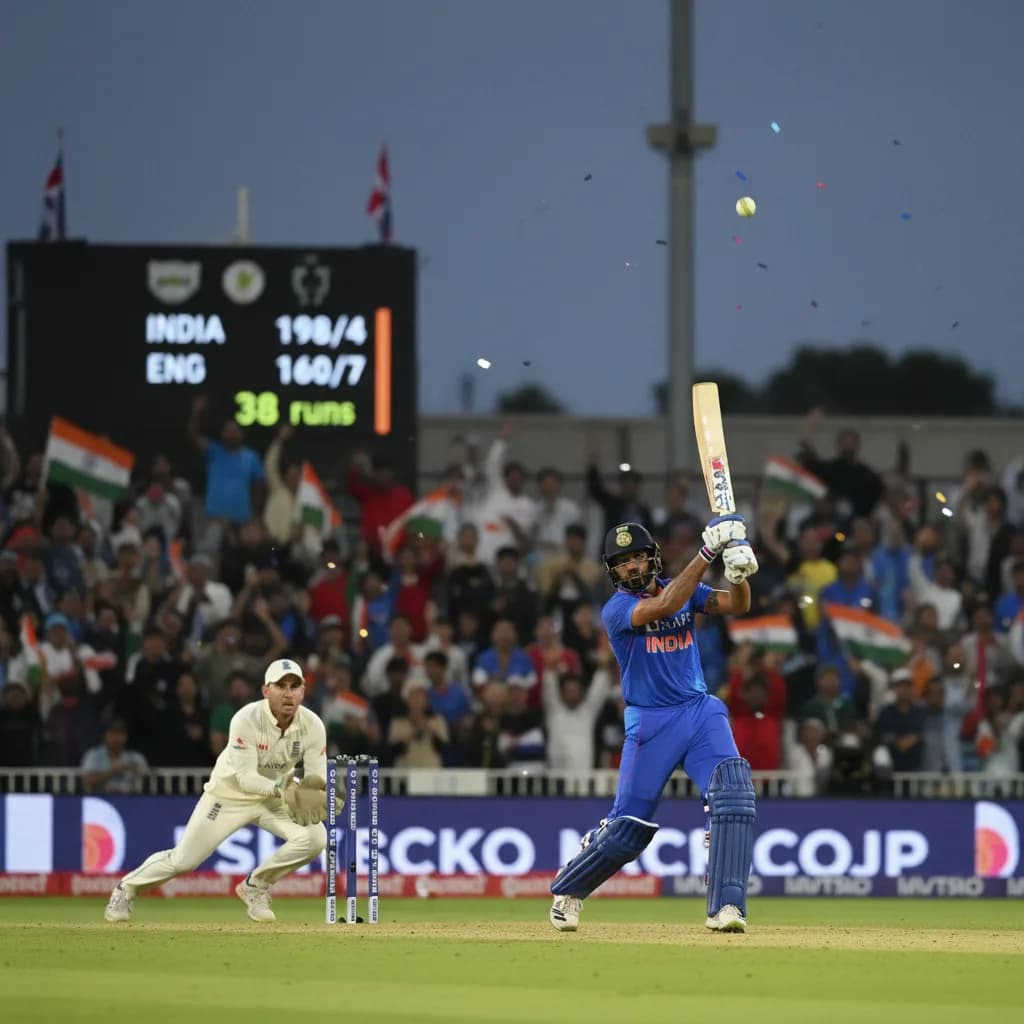
Cricket has always been a game of evolving tactics, but the latest trend in T20 cricket is challenging traditional thinking about batting partnerships and individual performance. The controversial practice of retiring batters for purely tactical reasons is rapidly becoming mainstream, fundamentally altering how teams approach their innings construction.
The Numbers Tell the Story
The statistics are striking - within just the first three weeks of this year, franchise leagues worldwide witnessed eight instances of tactical retirements. From the Big Bash League to the Women's Premier League, including the Super Smash and SA20, this strategy has gained remarkable traction across different formats and continents. What makes these figures particularly telling is that half of these retirements involved players struggling with strike rates below 100, highlighting the ruthless efficiency teams now demand.
The data suggests this isn't merely experimental - it represents a calculated shift in T20 strategy. For punters tracking franchise cricket, these tactical decisions increasingly influence match dynamics and could affect outright odds for tournaments where teams embrace such innovative approaches.
Strategic Logic Behind the Movement
The reasoning behind tactical retirements centres on maximising team scoring potential rather than preserving individual statistics. Teams are identifying scenarios where a settled batter might be performing adequately but isn't optimally positioned to capitalise on specific bowling matchups or death-over situations. This approach treats each batting position as a chess piece, moveable based on game state rather than traditional batting orders.
BJ Watling, the former New Zealand international now coaching Northern Brave, exemplifies this thinking. His team employed the tactic twice in a single match against the Volts recently, demonstrating how flexible modern coaching has become. Watling explained his philosophy, stating the decisions focus on utilising player skillsets that best suit particular situations rather than adhering to conventional batting hierarchies.
Professional Perspectives
England pace bowler Tymal Mills offers compelling support for the strategy, advocating for pragmatism over tradition. Mills emphasises the importance of removing emotional considerations when evaluating what serves the team's interests best. His view reflects a broader professional sentiment that T20 cricket's evolution demands tactical boldness.
According to Mills, the crucial element involves managing player relationships and ensuring retired batters understand the decision stems from tactical necessity rather than personal judgement. This human aspect remains vital as teams navigate the psychological implications of such strategies.
Cricket's Cultural Crossroads
The trend raises fundamental questions about cricket's identity and the balance between innovation and tradition. While tactical retiring operates within the sport's laws, it challenges long-held beliefs about individual perseverance and partnership building that have defined cricket's character for generations.
As franchise leagues continue embracing this approach, cricket faces a fascinating evolution. The strategy's growing acceptance suggests we're witnessing a permanent shift rather than a passing experiment. Whether this enhances the sport's tactical sophistication or diminishes its traditional values remains hotly debated, but one thing is certain - T20 cricket's strategic landscape has changed forever.