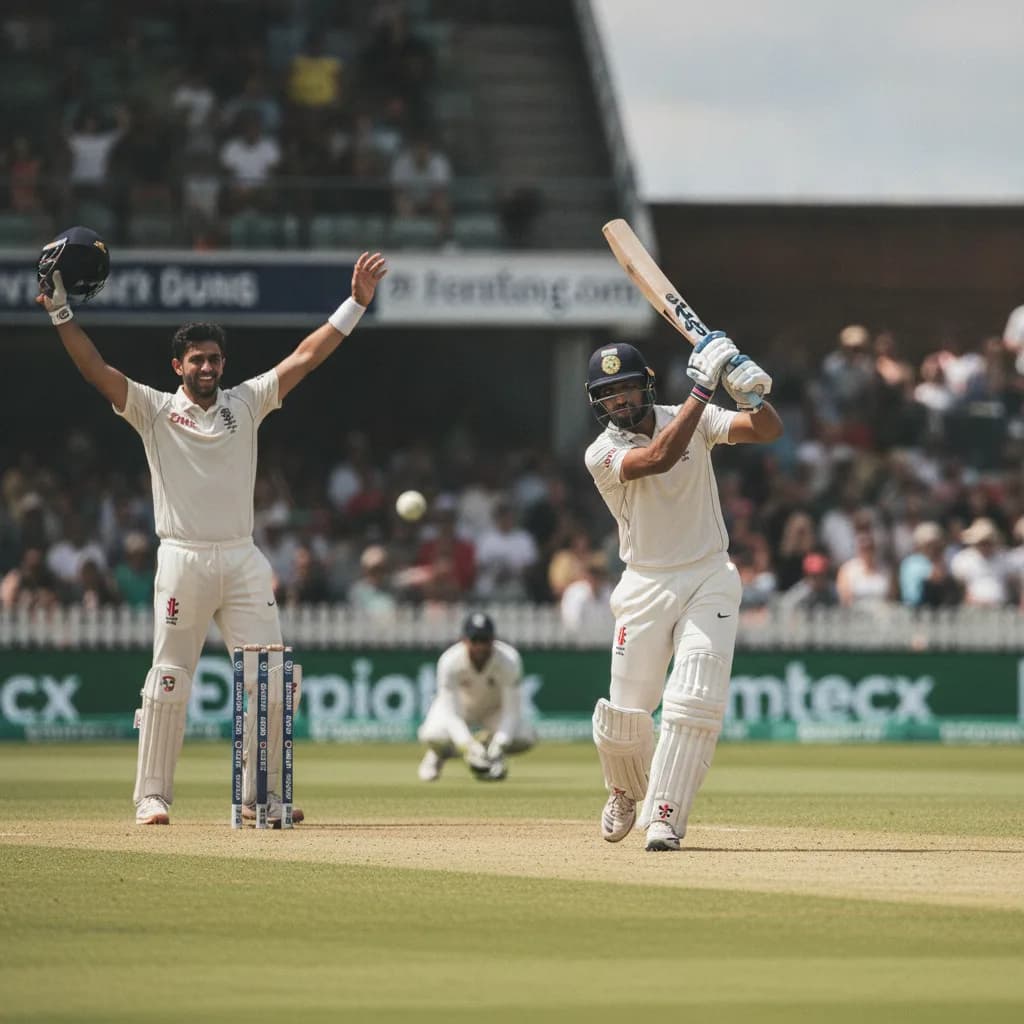

Twenty20 cricket has always been about innovation and pushing boundaries, but the latest tactical development has sparked debate across the cricketing world. The strategic retirement of batters—not through dismissal or injury, but as a calculated team move—is becoming increasingly common in franchise leagues worldwide.
A Global Phenomenon Takes Hold
The numbers tell a compelling story about this tactical evolution. In just the opening three weeks of 2026, eight instances of tactical retirements occurred across major T20 competitions globally. The Big Bash League, Super Smash, SA20, and Women's Premier League have all witnessed this controversial strategy in action. What's particularly striking is that half of these retirements involved batters struggling with strike rates below 100, highlighting teams' ruthless pursuit of run-scoring efficiency.
This trend fundamentally challenges traditional cricket thinking, where batters historically fought to remain at the crease regardless of their scoring rate. The shift reflects T20 cricket's relentless emphasis on maximising every delivery, with teams now viewing crease occupancy as a resource to be optimised rather than preserved.
The Strategic Mastermind Behind the Movement
Former New Zealand wicket-keeper BJ Watling has emerged as a pioneer of this approach during his coaching tenure with Northern Brave. His commitment to the strategy reached its peak when he employed tactical retirements twice in a single match against the Volts, demonstrating the boldness required to implement such decisions under pressure.
Watling's philosophy centres on situational awareness and player matchups. "All our players have the ability to win games of cricket and sometimes in certain situations it might suit someone else's skillset," he explained to The Post. This approach treats batting orders as fluid constructs rather than rigid hierarchies, allowing teams to deploy their resources more strategically against specific bowling attacks.
Professional Perspectives on Tactical Evolution
England pace bowler Tymal Mills represents the pragmatic viewpoint embraced by many modern professionals. His analysis strips away emotional considerations to focus purely on tactical advantage. "You have to try and remove some of the emotion out of it and just focus on what's the best thing to do for the team in that situation," Mills told BBC Sport.
Mills emphasises the importance of communication and player management when implementing such strategies. His recognition that teams must "get around the batter that you are retiring out" highlights the human element often overlooked in tactical discussions. This consideration becomes crucial for maintaining team harmony whilst pursuing competitive advantages.
The Spirit of Cricket Debate
The growing prevalence of tactical retirements has reignited discussions about cricket's traditional values versus modern innovation. Critics argue that retiring out undermines the fundamental principle of batters earning their time at the crease through performance and perseverance. Supporters contend that T20 cricket's shortened format demands maximum efficiency, making such tactics logical extensions of existing strategic thinking.
This development could significantly impact betting markets, as tactical retirements introduce new variables for punters assessing team strategies and individual player performances. The unpredictability factor may shift outright odds and in-play betting patterns as this trend becomes more widespread.
As T20 cricket continues evolving, tactical retirements appear destined to become standard practice rather than controversial exceptions. The challenge for cricket's governing bodies lies in balancing innovation with tradition, ensuring the game's competitive spirit flourishes whilst preserving its cherished values.