In the pressure-cooker atmosphere surrounding high-profile cricket fixtures, it's rare for a player with just four international appearances to dominate headlines. Yet Usman Tariq, Pakistan's enigmatic off-spinner, has managed exactly that through his unorthodox bowling technique that continues to divide cricket's establishment and fans alike.
The Man Behind the Controversy
At 28 years old, Tariq represents an unconventional route to international cricket. With merely two first-class matches to his name, he has instead carved his reputation through the T20 circuit. His breakthrough came during the 2023-24 Pakistan Super League season, followed by impressive campaigns in the Caribbean Premier League throughout 2025 and appearances in the ILT20 during the UAE winter season.
His effectiveness cannot be questioned - in his limited international exposure, he has claimed 11 wickets across four T20 matches, including a notable return of 3-27 against the United States at the current World Cup. These figures suggest that regardless of the aesthetic debates, Tariq delivers results when his team needs them most.
The Technical Debate
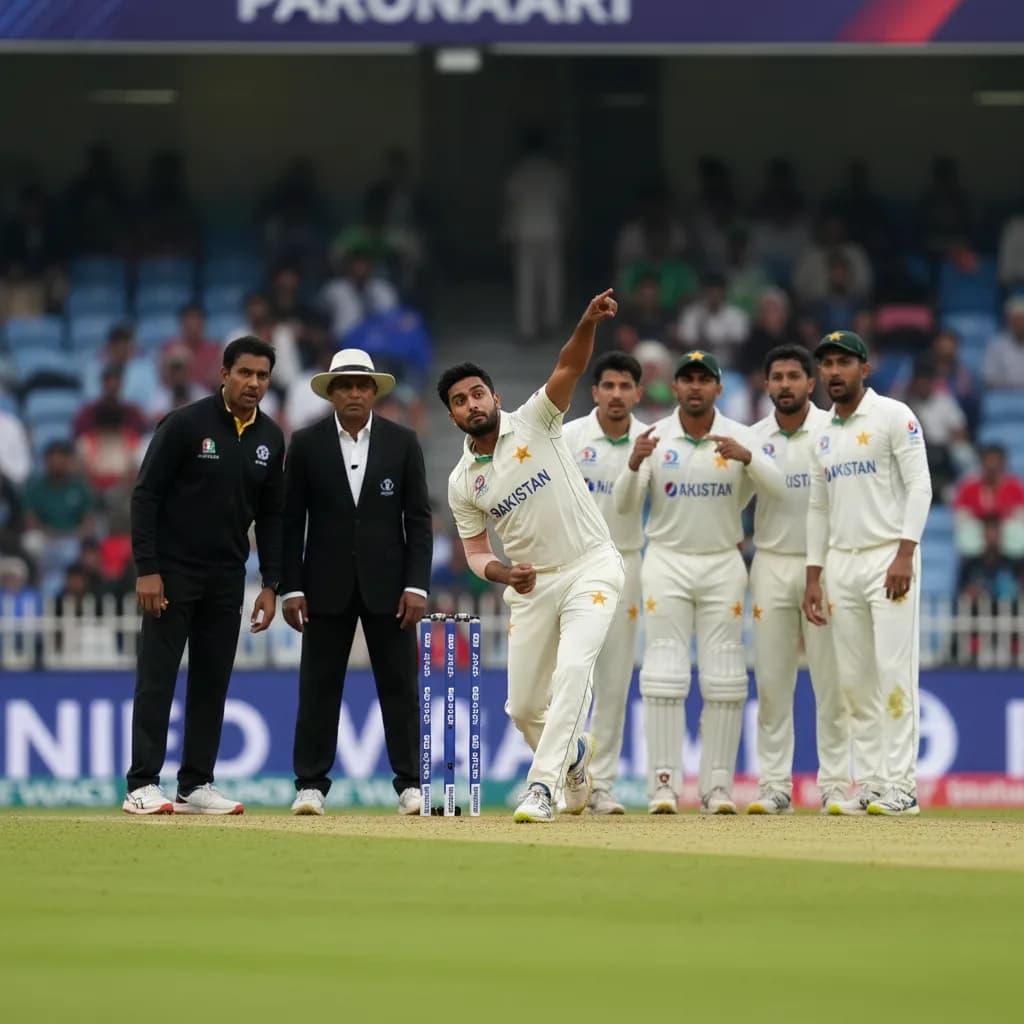
Tariq's bowling technique defies conventional coaching manuals. His approach involves a gentle run-up that culminates in a distinctive pause during his delivery stride, creating a complete halt before releasing the ball with a notably low-armed action. This sequence creates an almost baseball-pitcher aesthetic that has drawn both fascination and suspicion from observers.
The controversy reached its peak during recent international encounters when opposing players openly questioned the legality of his action. Cameron Green of Australia controversially mimicked a side-arm throwing motion after falling victim to Tariq during the pre-World Cup warm-up series, though the Australian later offered an apology. Similarly, England's Tom Banton appeared to signal concerns about the delivery to match officials during the ILT20 tournament.
Official Scrutiny and Clearance
Despite the theatrical protests from opposing players, cricket's governing structures have consistently supported Tariq's technique. On-field umpires have twice formally reported his action during Pakistan Super League fixtures - once in 2024 and again the following year. However, subsequent biomechanical analysis cleared him on both occasions, providing official validation for his unorthodox method.
Pakistan captain Salman Agha has remained steadfast in his defence of his spinner, noting that "since the time he has started cricket, these talks are going on about him" but emphasising that "he doesn't care about these things." This suggests the controversy has followed Tariq throughout his career progression rather than emerging solely from his recent international exposure.
The Bigger Picture
Tariq's situation highlights cricket's ongoing struggle with bowling action interpretation in the modern era. While biomechanical testing provides scientific backing for action legality, the visual impact of unconventional techniques continues to create friction between teams. For betting markets, Tariq's presence often shifts bowling performance odds given both his effectiveness and the psychological impact his action appears to have on opposing batsmen.
As cricket evolves and players push technical boundaries, Usman Tariq represents a fascinating case study in how the sport adapts to innovation whilst maintaining its fundamental principles of fair play.