The Numbers Behind the Trend
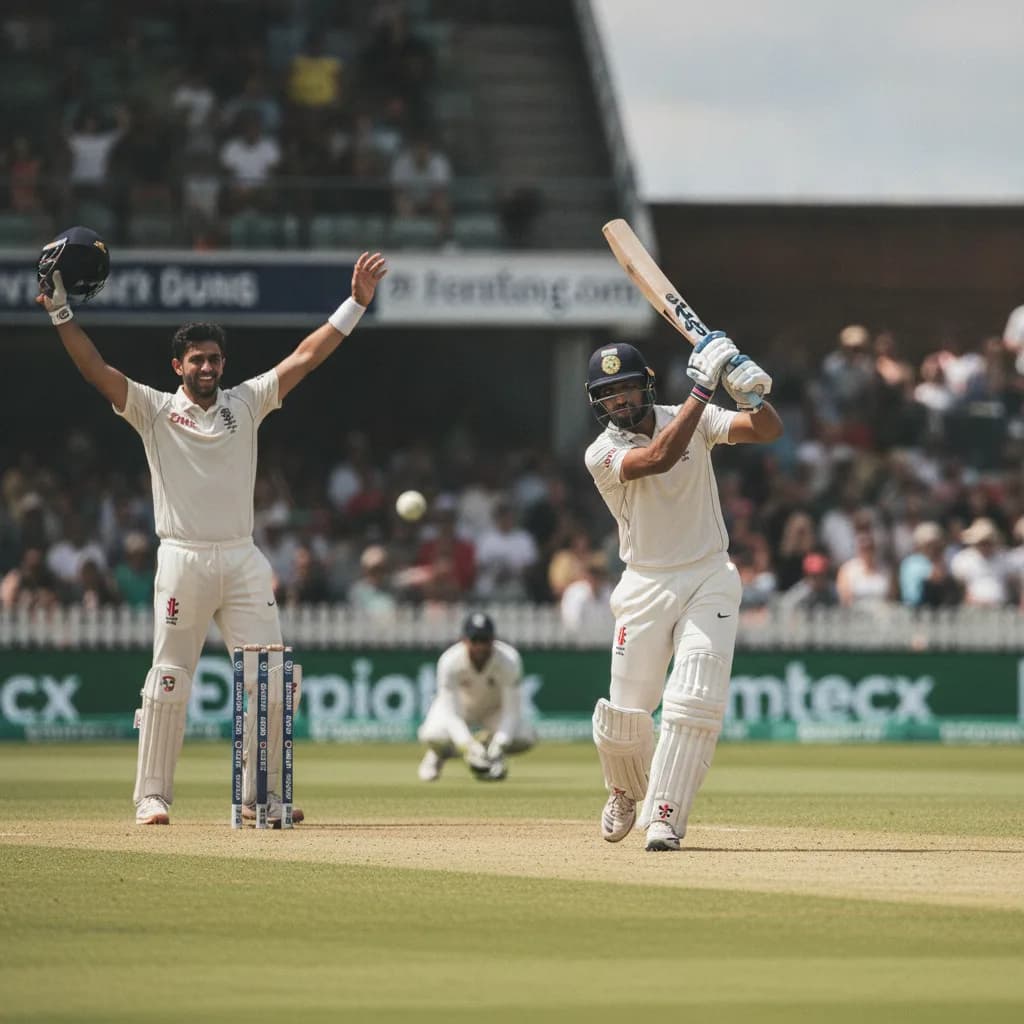
Modern T20 cricket is witnessing an unprecedented shift in tactical thinking. The opening three weeks of this year alone produced eight instances of batters retiring early across major franchise leagues worldwide - a statistic that underlines how rapidly this strategy is gaining acceptance. From the Big Bash League to the Women's Premier League, teams are increasingly willing to sacrifice individual batting displays for collective advantage.
What makes these decisions particularly telling is that half of these retirements involved batters struggling with strike rates below 100. This suggests teams are no longer content to allow players to 'bat through' difficult periods, instead prioritising immediate scoring momentum. For punters watching markets, these tactical shifts can dramatically alter match dynamics and betting odds mid-innings.
The Tactical Rationale
The logic driving these decisions centres on optimisation rather than emotion. Teams recognise that different batters possess varying skill sets suited to specific match situations. When facing particular bowling attacks or requiring rapid acceleration in the death overs, coaches are increasingly prepared to make hard-headed decisions about personnel changes.
BJ Watling, the former New Zealand wicketkeeper who now coaches Northern Brave, exemplifies this approach. His team employed the tactic twice in a single match against the Volts, demonstrating the strategic value coaches place on matching batters to specific scenarios. "All our players have the ability to win games of cricket and sometimes in certain situations it might suit someone else's skillset," Watling explained to The Post.
Professional Perspectives
England's Tymal Mills offers valuable insight into the professional mindset surrounding these decisions. The pace bowler advocates removing emotional considerations from tactical choices, emphasising team success over individual achievements. "You have to try and remove some of the emotion out of it and just focus on what's the best thing to do for the team in that situation," Mills told BBC Sport.
His perspective highlights the evolving nature of professional cricket, where traditional notions of batting perseverance increasingly compete with data-driven decision making. Mills particularly emphasises the importance of communication, noting that retiring batters must understand these decisions aren't personal critiques but strategic necessities.
The Spirit of Cricket Debate
Despite tactical advantages, this trend raises questions about cricket's fundamental character. Traditional cricket culture celebrates batting resilience and the ability to adapt under pressure. Critics argue that retiring out represents an erosion of these values, potentially diminishing the individual battles that make cricket compelling.
However, supporters counter that cricket has always evolved tactically. From field placements to bowling changes, successful teams consistently seek competitive advantages within the rules. The retiring out phenomenon simply represents another evolution in cricket's strategic landscape.
As this tactical revolution continues spreading across global T20 competitions, teams embracing these methods may find themselves with significant advantages over more traditional opponents. For cricket markets, this unpredictability adds another layer of complexity, making live betting increasingly dynamic as teams pursue every possible edge in cricket's shortest format.