BRIDGETOWN — The narrative for England’s T20 World Cup defence has been one of survival. From the precipice of a humiliating group-stage exit, saved only by a Scottish downpour and a nervy victory over Namibia, they have stumbled into the Super 8s. Now, the real tournament begins, and for head coach Brendon McCullum, it presents a stark ultimatum: three games to save his job.
A Stuttering Defence and Mounting Pressure
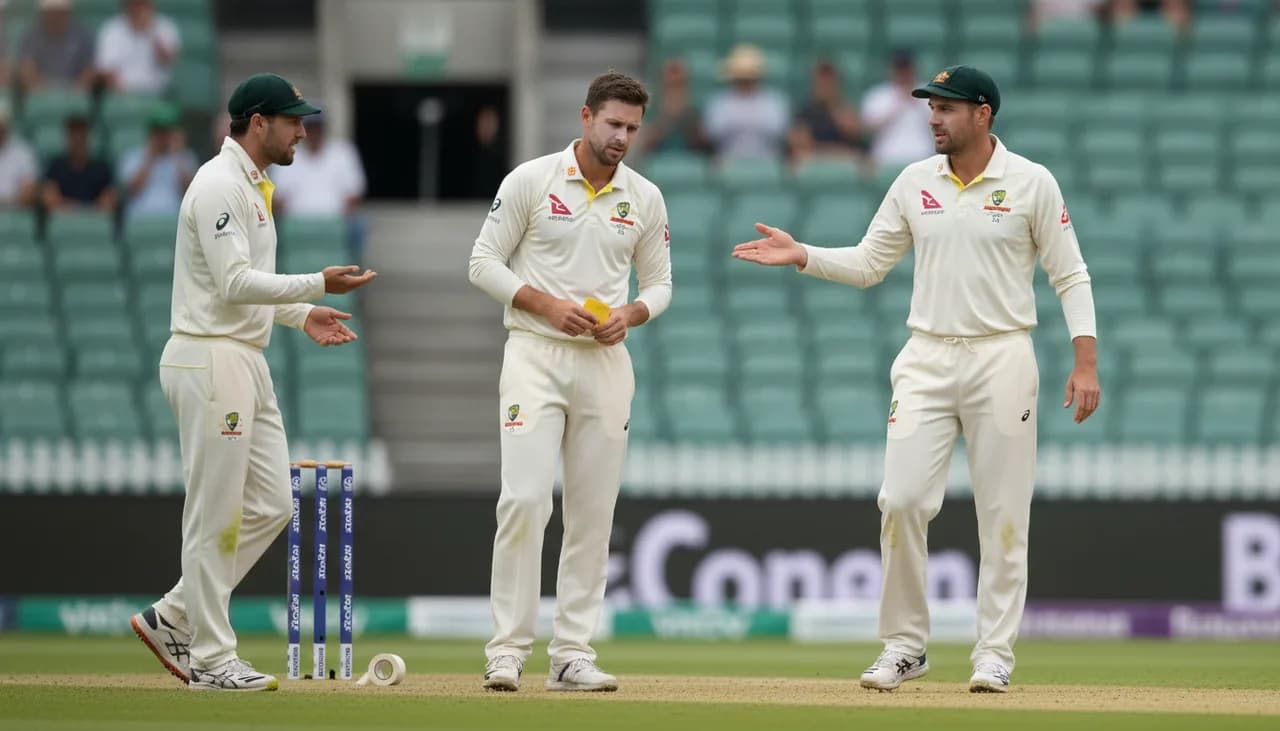
England’s journey to the Caribbean has been anything but convincing. The 50-over World Cup debacle in India last autumn, where they finished seventh, was a profound shock to the system. The T20 campaign, thus far, has done little to restore faith. A comprehensive loss to Australia and a laboured, rain-shortened win over a spirited Oman side have exposed familiar frailties. The batting, a hallmark of the ‘Bazball’ era in Tests, has looked hesitant and unsure of its identity. The bowling, barring the ever-reliable Jofra Archer, has lacked penetration and control. The question is no longer about defending a title, but about salvaging credibility and, for McCullum, his future at the helm.
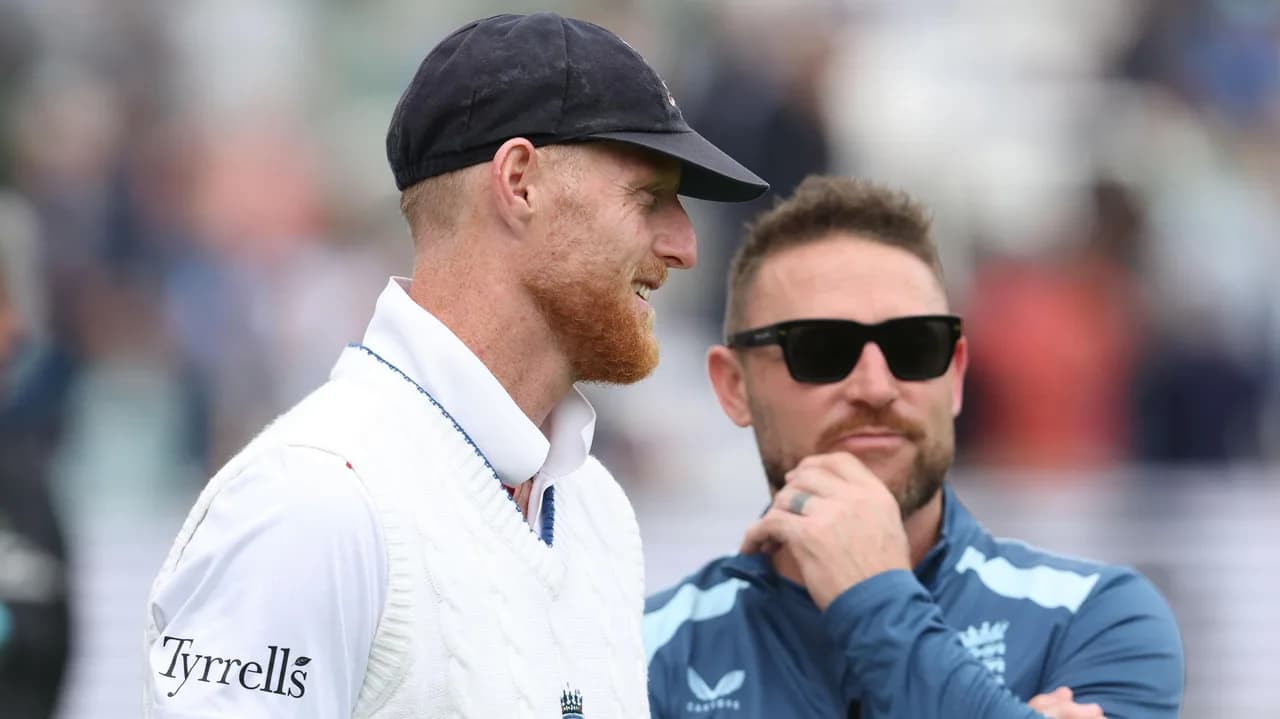
The New Zealander’s appointment in May 2022 was a revolutionary moment for English Test cricket. His aggressive, no-excuses philosophy transformed a moribund team into record-breaking entertainers. However, that mandate has always been viewed through a dual lens: the red-ball revival and white-ball stewardship through to this T20 World Cup. With managing director Rob Key having already split the coaching roles, McCullum’s contract is understood to be under review post-tournament. As former captain Michael Atherton noted in The Times, "The clock is ticking, and the currency of ‘vibes’ only lasts so long."
The Super 8s Crucible: No Room for Error
England find themselves in a formidable Super 8s group alongside co-hosts West Indies, South Africa, and the USA. It is a brutal draw. Each match is now a knockout in all but name. The margin for the kind of error-strewn performances seen in the group stage has evaporated. For McCullum and captain Jos Buttler, the strategy must crystallise immediately. Key areas demanding urgent attention include:
- Top-order Intent: The powerplay batting has been stagnant. Buttler’s form is a concern, and Phil Salt needs a defining innings.
- Middle-order Clarity: The roles of Jonny Bairstow, Liam Livingstone, and Moeen Ali remain fluid, leading to indecision in the crucial middle phases.
- Bowling at the Death: Beyond Archer, who can be trusted to execute under extreme pressure in the final overs? This was a critical failing in India.
The environment McCullum fosters is one of fearless cricket. Yet, there is a fine line between fearless and reckless. The criticism, growing louder from pundits and fans alike, is that this England side has been veering towards the latter without the foundational skills to support such an approach. As Sky Sports’ Nasser Hussain put it bluntly, "You can talk all day about mindset, but if you’re not executing the basics under pressure, you’ll be found out. They’re being found out."
The McCullum Conundrum: Does He Even Want To Stay?
An intriguing subplot is whether McCullum himself wishes to continue. His tenure has been intensely demanding, and his primary passion has always been the Test transformation. The white-ball role, a later addition to his brief, may hold less appeal, especially if the project is deemed incomplete or unsuccessful. The summer schedule is relentless, with Tests against West Indies and Sri Lanka followed by a marquee white-ball series against India.
Would a coach of his profile want to navigate a potential rebuild of the T20 side, with stalwarts like Moeen Ali and Adil Rashid nearing the end of their careers? Conversely, would the ECB seek to renew the contract of a coach whose white-ball results have been mixed, despite the transformative Test success? A deep run, or even a miraculous title retention, would make the decision easy for both parties. Failure, however, could lead to a natural, if unceremonious, parting of ways. Key has remained publicly supportive but non-committal, stating only that "all positions are reviewed after a major tournament, and this will be no different."
The Legacy and The Verdict
It is a remarkable juncture. McCullum’s legacy in English cricket is already secure, etched in the thrilling Ashes series of 2023 and a radical change in culture. Yet, the cut-throat world of international sport has a short memory. The white-ball teams, world champions in both formats just two years ago, are now seen as underperforming assets. The Super 8s represent a direct audit of McCullum’s methods in the shortest format. The excuses of rain, tricky pitches, and ‘building towards the tournament’ have all been exhausted.
The challenge now is quintessentially ‘Bazball’: to stare down the pressure, embrace the jeopardy, and produce the aggressive, smart cricket that has been their mantra. The alternative is a limp exit and a cascade of difficult questions. For a man who preached freedom from fear, the coming week is the ultimate test. As one senior figure within the camp was quoted, "This is it. The talk is over. We either show who we are, or we face the consequences. There are no more get-out clauses."
Conclusion: A Defining Fortnight
England’s T20 World Cup campaign has reached its moment of truth. For Brendon McCullum, the Super 8s stage in the Caribbean is not just about progressing to a semi-final; it is a three-match interview for his future. The results, and more importantly the manner of them, will be scrutinised like never before. A bold, successful charge could reinvigorate his project and silence the doubters. Another timid, confused failure would likely spell the end of his tenure as white-ball coach, regardless of his legendary Test status. The message from the hierarchy and the cricketing world is clear: after the reprieves and the rhetoric, there are no excuses left.
The journey from potential disgrace in Barbados to potential glory in Bridgetown and beyond is a short one in miles, but a vast chasm in performance terms. McCullum and his players have three games to bridge it. The outcome will define not just this tournament, but the immediate future of English white-ball cricket and the man tasked with leading it.