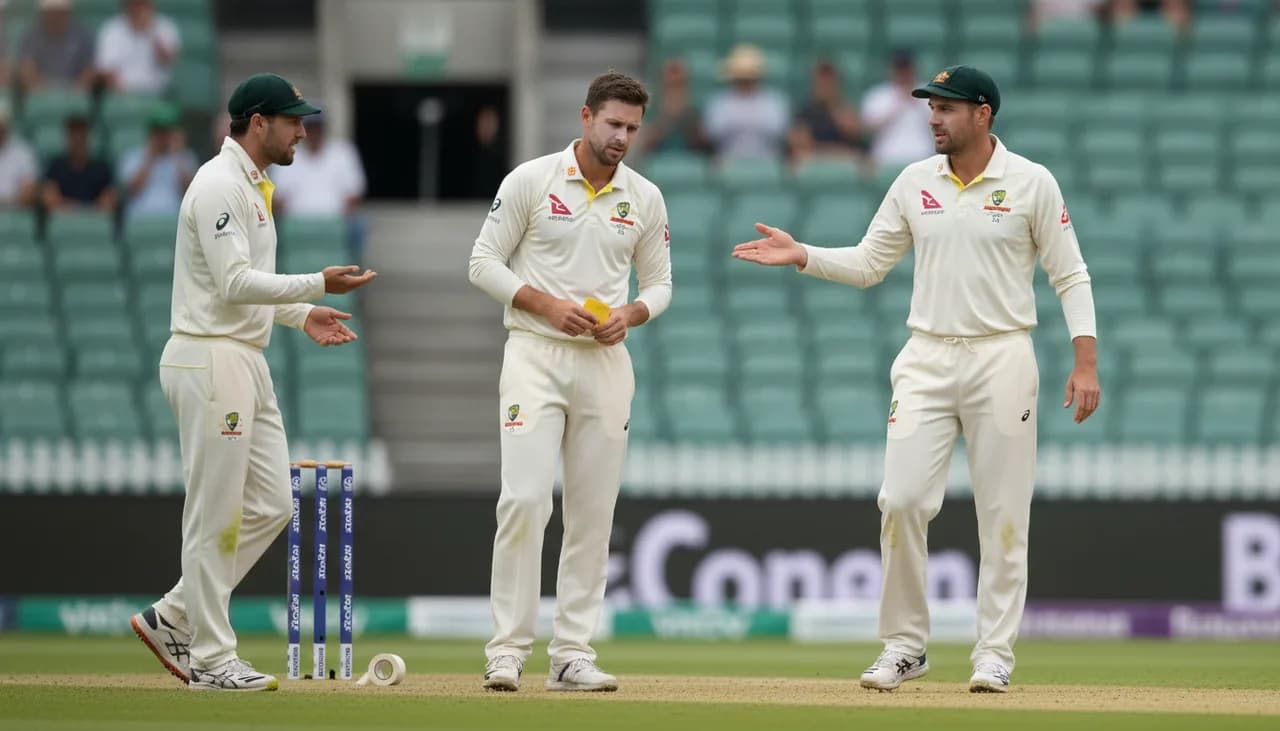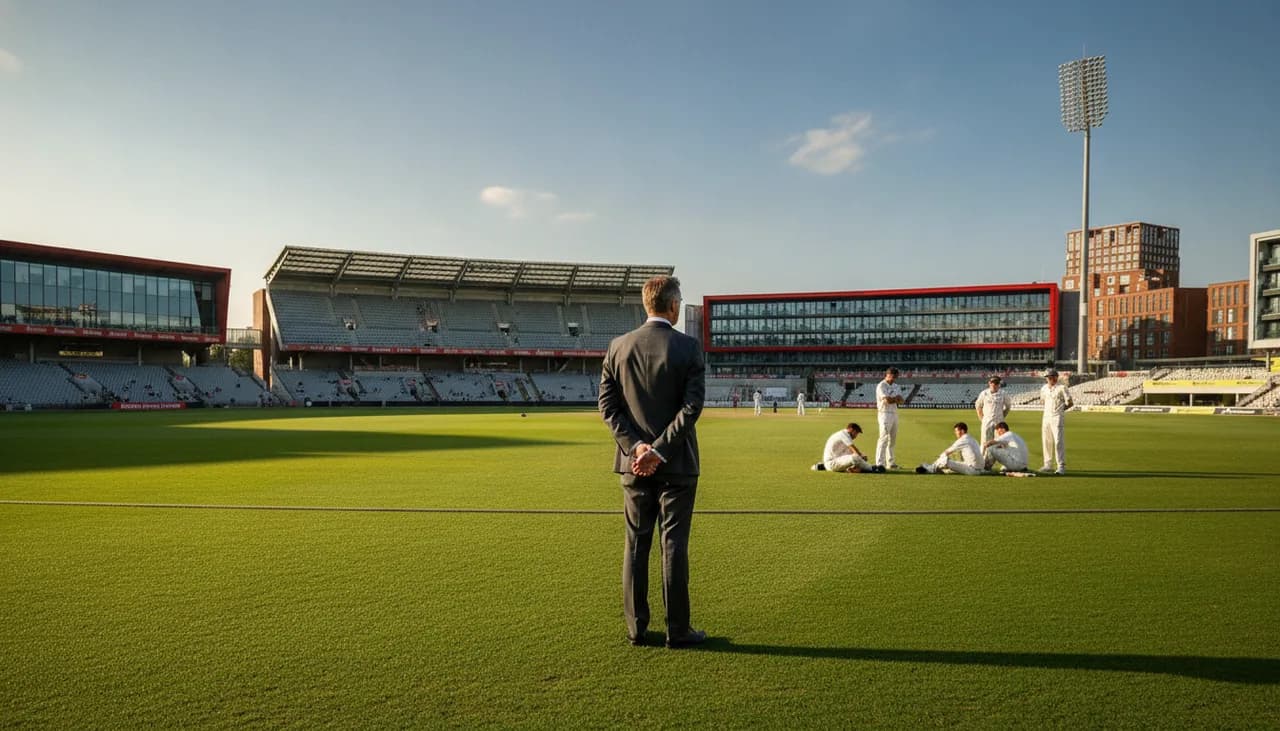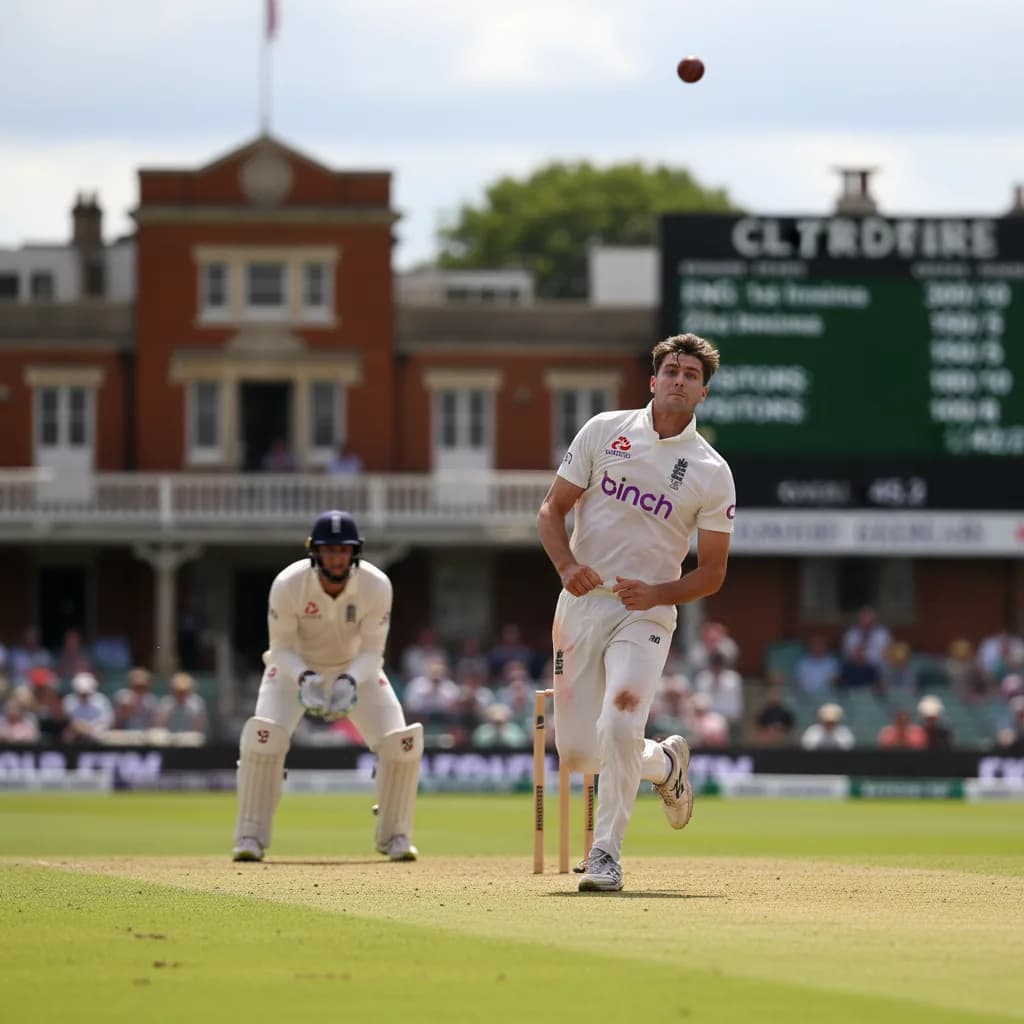
MELBOURNE — The image, captured during a particularly grim session in the fourth Ashes Test at the MCG, was stark in its symbolism. Ben Stokes, England’s talismanic all-rounder, stood alone at the top of his mark, sweat-soaked and heaving for breath after another Herculean over. Behind him, his fielders wore expressions of weary resignation. It was the picture of a lion leading lambs, a warrior surrounded by those seemingly unprepared for the brutal theatre of Ashes combat in Australia. As England’s campaign unravelled to a decisive 4-0 defeat, the central narrative became painfully clear: for Stokes to truly lead, his team-mates must step up.
Stokes’s return from a mental health break and a second knee surgery was hailed as England’s miracle cure. His mere presence, the thinking went, would galvanise a side still finding its feet under new captain Pat Cummins. And in moments of pure, unadulterated Stokesian brilliance, it did. His defiant 89 at Brisbane, a knock of terrifying physical commitment, and his first-innings century in Sydney were monuments to his skill and spirit. Yet, these were isolated peaks in a landscape of collective failure. The burden on one man, however great, proved unsustainable.
The Burden of Expectation
The problem was not Stokes’s performance, but the vacuum around him. England’s batting, barring the evergreen Joe Root, was chronically fragile. The top order, with the exception of a Dawid Malan resurgence in the early Tests, folded with alarming regularity against Australia’s relentless pace attack. This repeatedly forced Stokes and the lower order into rescue missions, a strategy that is thrilling when it comes off but is fundamentally flawed as a game plan. As former England captain Michael Vaughan noted, "Stokes can’t be expected to be the hero every single time. Others have to build an innings, to absorb pressure, not just look to counter-attack."
The bowling presented a mirror image. While Ollie Robinson showed promise and Mark Wood provided thrilling bursts of pace, the attack lacked consistency and a cutting edge on docile Australian pitches. The reliance on James Anderson and Stuart Broad, masters though they are, highlighted a lack of developed successors. Stokes, often bowling through pain, was frequently the man captain Root turned to for a breakthrough, further exacerbating his physical load. The statistics laid it bare: England’s support cast failed to fire in unison. Key failures included:
- Haseeb Hameed and Rory Burns failing to secure the opening positions.
- Jos Buttler’s batting frailties being exposed despite a magnificent rearguard in Sydney.
- The inability of any spinner to apply consistent pressure, leaving Root’s options limited.
A Captain in Waiting?
The tour inevitably sparked debate about leadership. With Joe Root’s captaincy under intense scrutiny, many eyes turned to Stokes as the natural successor. His aura, his knack for influencing games, and the respect he commands are undeniable leadership qualities. However, the Ashes exposed the potential pitfall. Would making Stokes captain simply add tactical and media burdens to his already colossal on-field responsibilities? Would it risk breaking the team’s most valuable asset? As Ricky Ponting observed, "You want your best player to be able to play with freedom. Sometimes the captaincy can restrict that, especially for someone who leads with such visceral emotion."
The counter-argument is that Stokes, as captain, could directly instil his mentality into the team. He would no longer be just a follower of plans but the architect. His philosophy – fearless, aggressive, relentless – could become the team’s DNA. Yet, this only works if the personnel are capable of executing it. A lion can roar instructions, but if the lambs cannot hunt, the strategy is futile. The leadership question, therefore, is intrinsically linked to the quality and resilience of the players around him.
Building a Pride, Not a One-Man Show
For England to progress, the focus must shift from worshipping the lion to strengthening the pride. This requires difficult selection decisions and a sustained investment in character as much as talent. The recent inclusion of players like Alex Lees and the recalled Matthew Fisher signals a move towards fighters, those willing to graft. The county system must be tasked with producing cricketers with the technical and mental fortitude for Test cricket, not just white-ball specialists. As England’s managing director, Rob Key, and new red-ball coach, Brendon McCullum, take the reins, their first job is to identify and nurture those who can share Stokes’s load.
This is not to diminish Stokes’s importance. He remains the heartbeat of the side, the player who transforms possibility into reality. His commitment in Australia, battling obvious physical discomfort, earned the awe of opponents and fans alike. Pat Cummins himself stated, "You always know that with Ben, the game is never over. He plays the game in a way that puts pressure back on you every single time." But admiration from opponents is not a substitute for support from team-mates.
Conclusion: The Forge of Leadership
The 2021-22 Ashes may be remembered as the series where Ben Stokes’s courage shone brightest in England’s darkest hour. But its true legacy must be as a catalyst for change. Stokes has shown the level of commitment required; the challenge for the rest is to meet it. The path forward is not about finding another Stokes – that is a once-in-a-generation quest – but about building a team where his extraordinary efforts are matched by consistent contributions from others. The lion has roared loud enough to wake English cricket from its complacency. Now, the lambs must find their teeth, their courage, and their voice. Only then can Stokes’s leadership, whether as official captain or spiritual leader, translate from heroic individual endeavour into sustained collective success. The future of the England Test team depends not on one man carrying them, but on the many finally deciding to walk beside him.