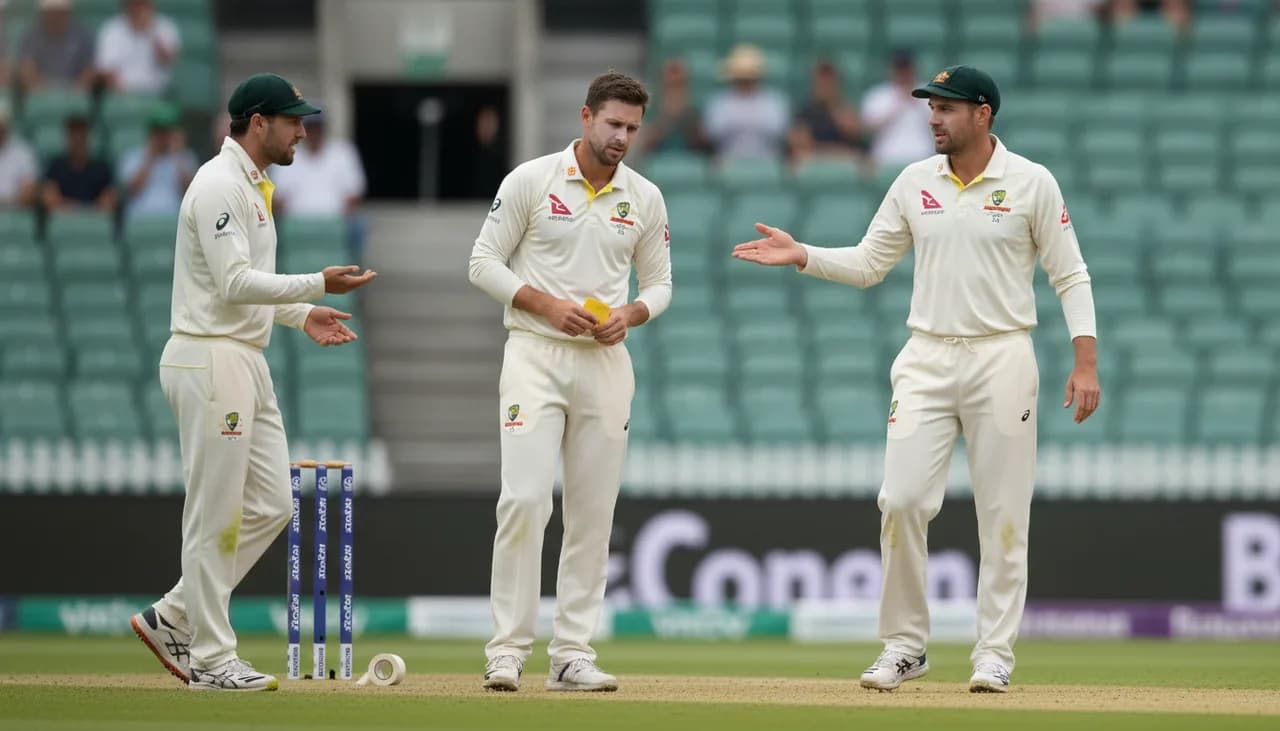
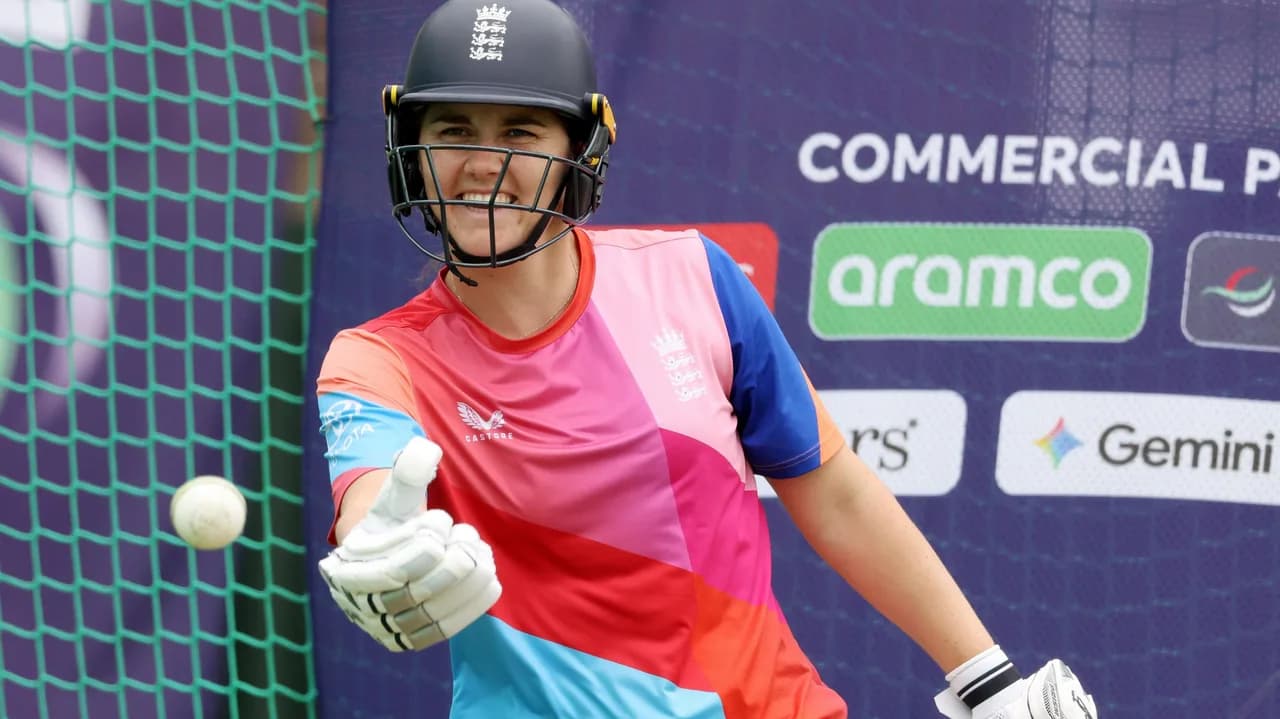
LONDON — As the T20 World Cup looms on the horizon, a curious and pervasive sense of apathy hangs over the cricketing globe. Sandwiched between the seismic commercial behemoth of the Indian Premier League and the relentless churn of the international calendar, this tournament, for many, feels like an afterthought. Yet, in the crucible of this collective indifference, one team stands out as desperately needing it: England. For captain Harry Brook and head coach Brendon McCullum, this is not just another trophy hunt; it is a vital mission to restore credibility, define an era, and prove that their revolutionary 'Bazball' philosophy can conquer the world stage.
A Tournament in the Shadows
The 2024 T20 World Cup, co-hosted by the West Indies and the USA, arrives at an awkward juncture. Player fatigue is palpable, with many stars transitioning directly from the IPL's bubble to national duty. For powerhouse nations like India and Australia, the event is a target, but the public and media frenzy that typically precedes a World Cup is conspicuously muted. The narrative is less about the spectacle and more about the scheduling, a sentiment echoed by players and pundits alike. This backdrop of general disinterest, however, creates a unique pressure cooker for an England side in transition.
England's Precarious Position
England's journey since their triumphant 2022 T20 World Cup win in Australia has been a turbulent one. A disastrous 50-over World Cup defence in India last year saw them crash out in the group stages, a humiliation that shook the foundations of the white-ball setup. While the Test team has been transformed by McCullum and Ben Stokes's aggressive mantra, the limited-overs sides have lacked identity and consistency. The retirement of Eoin Morgan left a leadership void, and while Jos Buttler remains a world-class operator, questions linger about the team's direction and its ability to adapt to modern T20 demands.
Enter Harry Brook. The prodigiously talented 25-year-old is now the undisputed future of English batting across formats. His appointment as captain for this T20 World Cup, following Buttler's decision to step aside, is a bold gamble. It signals a definitive passing of the torch. Brook embodies the 'Bazball' ethos—fearless, innovative, and relentlessly positive. But leading a World Cup campaign is a different beast entirely. As former captain Michael Vaughan noted, "This is Brook's chance to stamp his authority not just as a player, but as a leader of men. England need him to succeed more than he needs it."
The McCullum Conundrum
For Brendon McCullum, the stakes are equally high. Hired as England's white-ball coach in the aftermath of the ODI World Cup debacle, his mandate is clear: reinvigorate and revolutionise. His methods in Test cricket are legendary, but the shorter formats present a different puzzle. Can his high-trust, high-octane philosophy be successfully transplanted to a T20 environment where margins are razor-thin and data often trumps dogma? A poor showing in the Caribbean and USA would invite fierce scrutiny and raise doubts about whether his approach is a one-format wonder.
The challenges facing the pair are multifaceted. England's squad selection raised eyebrows, with the omission of the experienced Jason Roy and the continued reliance on veterans like Moeen Ali and Adil Rashid, who, while brilliant, are in the twilight of their careers. The balance of the side, particularly the bowling attack in Caribbean conditions, remains a topic of heated debate. Key areas of concern include:
- The Powerplay Enforcer: Who shares the new ball with Jofra Archer, whose fitness is perpetually monitored?
- The Middle-Over Wicket-Taker: Can Adil Rashid and Moeen Ali contain and attack on slow pitches?
- The Finisher's Role: With Ben Stokes absent, who provides the ice-cool temperament in the death overs?
A Litmus Test for 'Bazball'
Ultimately, this World Cup serves as the ultimate litmus test for the broader 'Bazball' project in white-ball cricket. The theory is enticing: apply the same principles of proactive play, forcing the issue, and freeing players from the fear of failure. But T20 cricket is not Test cricket. The opposition is equally aggressive, the plans are more meticulous, and there is no time to recover from a bad session. A successful campaign would vindicate McCullum's vision and cement Brook's status as a leader for the next decade.
Conversely, an early exit or a timid approach would be catastrophic. It would fuel narratives of a team lost in transition, a gung-ho style unsuited to tournament pragmatism, and a captain perhaps promoted too soon. The whispers would grow louder: is 'Bazball' just a catchy headline that fails under the brightest lights? As one seasoned observer put it, "For England, this isn't just about winning. It's about proving they still belong at the top table."
Conclusion: Need Over Want
While the cricketing world may view this T20 World Cup with a weary shrug, for England, it crackles with significance. It is a chance to banish the ghosts of India 2023, to launch the Harry Brook captaincy era with a statement, and to validate Brendon McCullum's white-ball blueprint. In the sun-drenched stadia of the West Indies and the uncharted territory of the USA, England will play with a purpose that transcends the trophy itself. They are not just competing for a title; they are fighting for an identity, for relevance, and for the future of their game. In a tournament few seem to want, England's need is desperate, palpable, and perhaps, the very fuel that could propel them to an against-the-odds triumph.