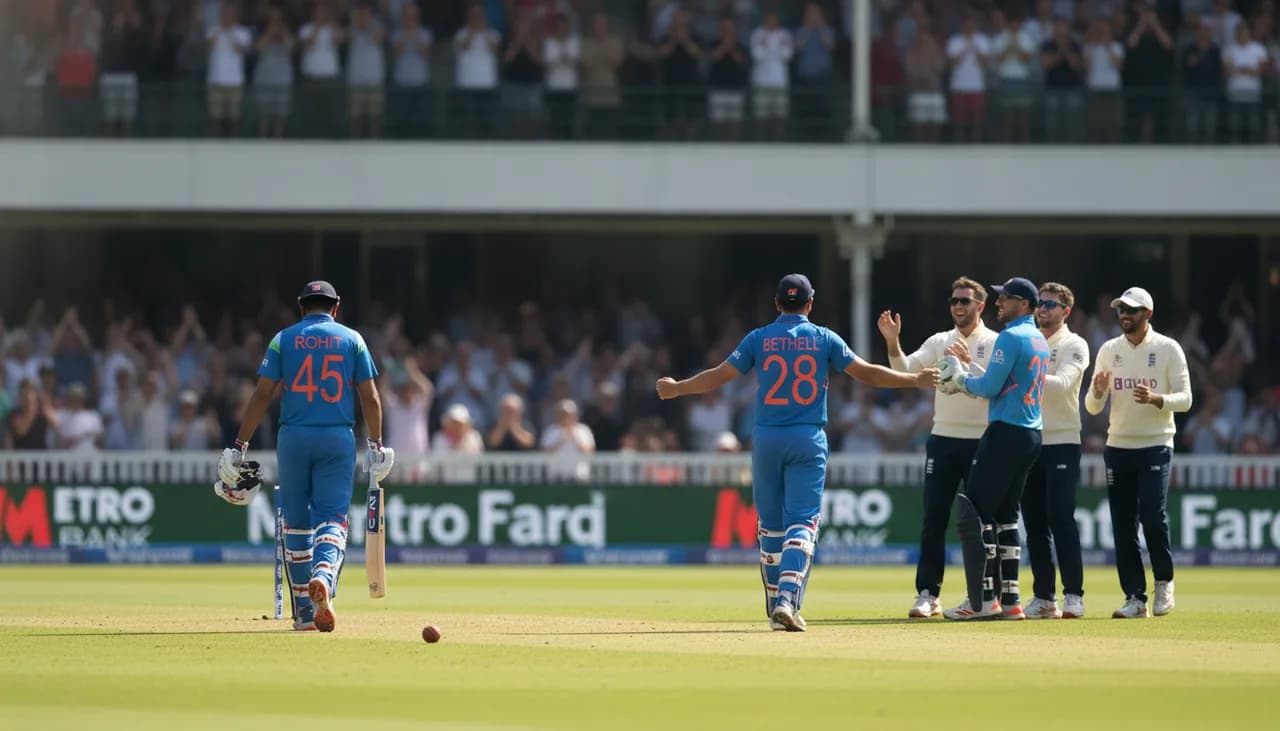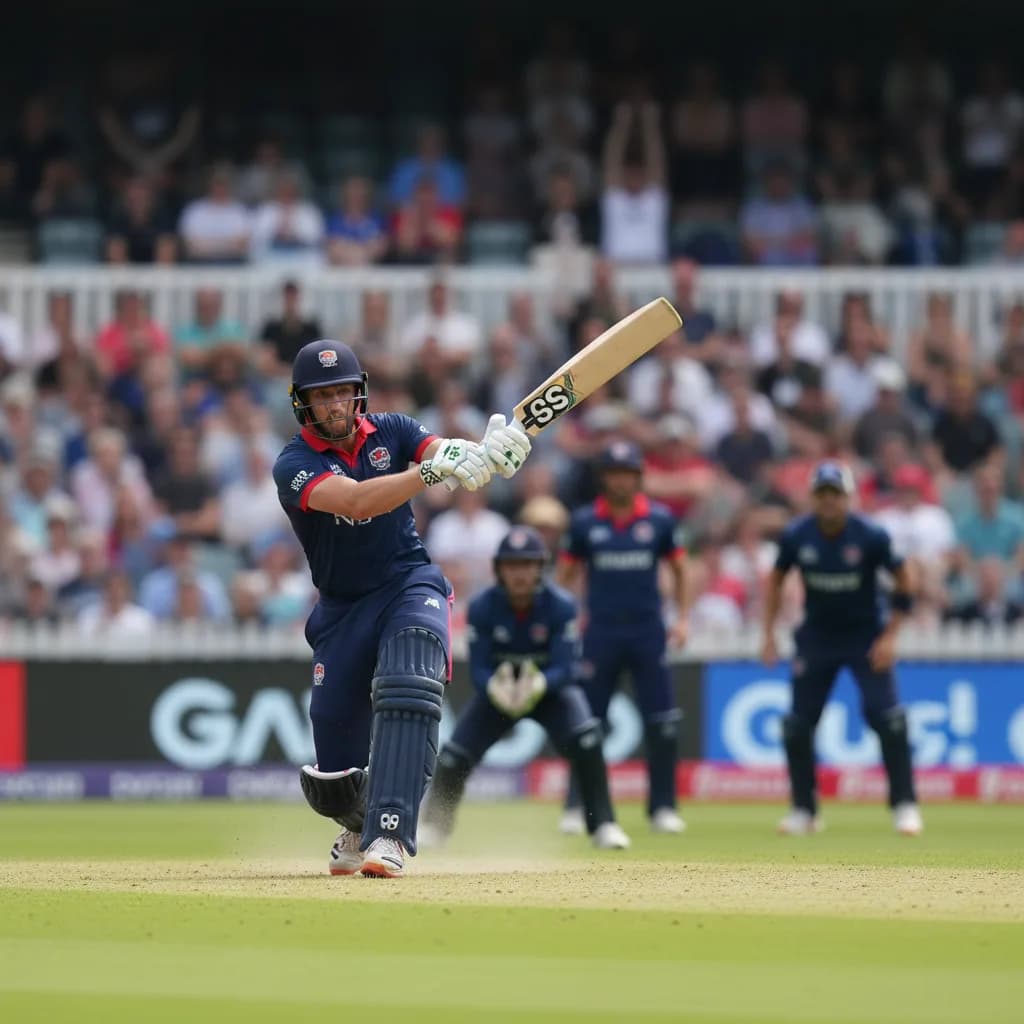
The landscape of The Hundred is undergoing its most significant transformation since the competition's inception in 2021. With the 2025 season on the horizon, the eight franchises are not just tweaking their squads; they are undergoing wholesale rebrands, relocations, and strategic overhauls. BBC Sport takes you through the sweeping changes as the teams build towards a new era, starting with the 2025 season and looking ahead to 2026.
A New Identity: From Manchester to Cheshire
The most visually striking change comes from the North West, where the Manchester Originals have been completely rebranded. The franchise is now the Cheshire franchise, shedding its city-specific name for a broader county identity. This shift is more than cosmetic; it represents a strategic move to engage a wider catchment area. The new logo, unveiled to a mix of fanfare and bemusement, features an elaborate, stylised eagle set against a vibrant purple and teal colour scheme, a dramatic departure from the Originals' black and lime green.
Similarly, the Birmingham Phoenix have evolved into the Warwickshire franchise, aligning more closely with their home county cricket board. Their new emblem, a fierce phoenix bird in shades of orange and deep blue, aims to project a more aggressive, modern image. These rebrands are part of a concerted effort to deepen regional ties and attract sponsorship, though they have sparked debate among purists who valued the direct city connections.
The Draft & Marquee Signings: A Global Market
Behind the new logos, the serious business of team building is in full swing. The 2025 draft was a spectacle of its own, with franchises securing talent for the next two seasons. The retention process saw most teams lock in their core English stars, but the real drama unfolded in the new signings. The London Spirit made a major statement by securing Australian powerhouse Beth Mooney, one of the world's most destructive batters, for their women's side.
The men's draft was equally competitive. Reflecting on the strategic shifts, one team director noted, "The dynamics have changed. You're not just planning for one year; you're building a squad for two. It forces you to think about player development, potential international call-ups, and creating a cohesive unit that can grow together." This long-term view is evident in the signing of young English prospects alongside established T20 globetrotters.
Key Retentions and Acquisitions
A snapshot of the major moves includes:
• Southern Brave retaining the core of their double-winning women's team, including Smriti Mandhana and Lauren Bell.
• Trent Rockets men securing the explosive services of New Zealand's Glenn Phillips.
• Welsh Fire making a savvy pick by bringing in Indian all-rounder Shivam Dube to bolster their middle order.
• Oval Invincibles focusing on continuity, keeping both their men's and women's captains, Sam Curran and Dane van Niekerk.
Structural Shifts and The 2026 Vision
The changes extend beyond names and players. The England and Wales Cricket Board (ECB) has confirmed a shift in the tournament window. From 2025, The Hundred will be played in a dedicated, standalone slot in July and August, moving away from direct clashes with the peak of the county championship and providing clearer air for broadcasters and fans. Furthermore, the competition is poised for a major expansion in 2026, with plans to add two new franchises. While locations are yet to be finalized, cities like Durham and Essex (Chelmsford) are strongly rumoured to be in the running.
This expansion is tied to a new broadcast deal and a push for greater private investment. The ECB's Managing Director of The Hundred, Sanjay Patel, recently stated, "Our goal for 2026 is to cement The Hundred as a premier global sporting event. The rebrands and strategic signings we're seeing now are the foundation. Adding two high-quality teams will increase the narrative, the rivalry, and the reach of the competition exponentially."
Fan Reaction and Commercial Imperatives
Unsurprisingly, fan reaction to the changes has been mixed. While many welcome the fresh energy and high-profile signings, the loss of local identities like "Manchester" has stung some supporters. Social media has been alight with debates over the new logos, with the Cheshire eagle receiving particular scrutiny for its intricate design. However, commercially, the moves appear savvy. Early reports suggest that the rebranded franchises are attracting new sponsorship interest, vital for the competition's financial sustainability.
The emphasis on county names also strengthens ties with the existing cricket network, potentially easing historical tensions with the first-class counties. A county CEO, speaking anonymously, observed, "The initial model felt like it was imposed. This feels more collaborative. If a franchise carries the county's name, there's a shared interest in its success, from grassroots participation to selling tickets."
Conclusion: Building for a Bold Future
The period of "all change" in The Hundred is a calculated gamble. It is a move away from the safety of its initial launch phase towards a more ambitious, commercially-driven future. The new identities, star signings, and structural shifts are all pieces of a puzzle aimed at securing the competition's place in a crowded global sporting calendar. While the 2025 season will be the first test of these new alignments, the true measure of success will be the seamless integration of new teams in 2026 and the creation of a product that resonates deeply with both traditional cricket fans and a new audience. The Hundred is not just evolving; it is attempting to reinvent itself on the fly.