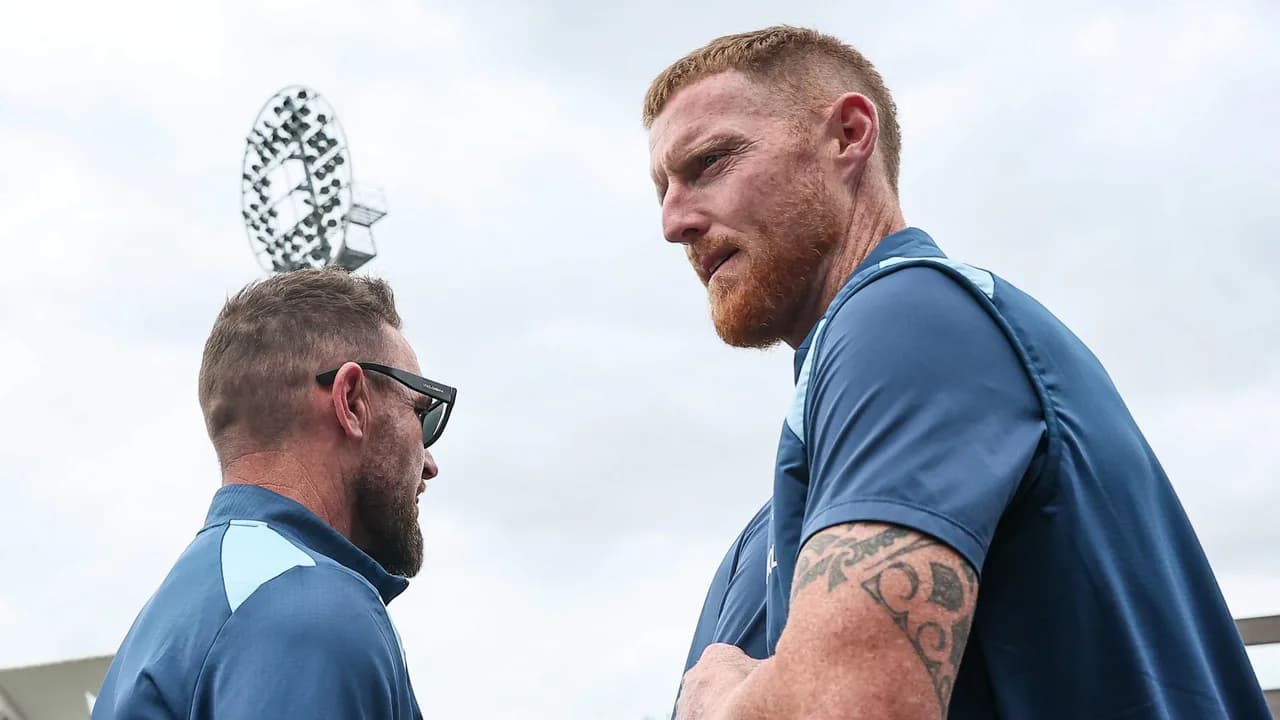

LONDON — England head coach Brendon McCullum has delivered a defiant message in the wake of his team's Ashes defeat to Australia, stating he will not be "told what to do" but acknowledging there are clear "areas to improve" as he and captain Ben Stokes plot the next phase of their 'Bazball' revolution.
The series, which finished 2-1 to Australia after England's thrilling victory at The Oval, left the hosts ruing missed opportunities. A narrow defeat at Edgbaston and a rain-affected draw at Old Trafford, where England dominated, meant the urn remained in Australian hands. McCullum, however, remains steadfast in his belief in the aggressive, positive philosophy that has transformed the team's fortunes since he took charge in May 2022.
A Defiant Stance on Philosophy
Speaking to the media in his native New Zealand, McCullum was unequivocal about the path forward. "I don't think I should be told what to do," he declared. "We'll work it out and make sure we're prepared. We're obviously disappointed we didn't win the Ashes but I'm really proud of the way the guys played. I'm proud of the way we stuck to our style." This statement serves as a clear rebuttal to the growing chorus of pundits and former players who have suggested England's all-out attack needs tempering in certain situations.
The coach admitted that the failure to regain the Ashes "stings" and that the review process would be "robust." However, he framed any adjustments as an evolution of the existing mindset, not a fundamental retreat. "There's times when we need to be slightly more respectful of the game," he conceded, pointing to key moments where reckless batting cost England dearly.
Pinpointing the "Areas to Improve"
While defending the overall approach, McCullum was candid about the specific shortcomings that cost England the series. The review will focus on several critical failures that undermined their dominant positions. The primary areas identified for improvement include:
- First Innings Batting: England repeatedly failed to post commanding first-innings totals, often squandering strong starts. At Lord's, they collapsed from 188/1 to 325 all out. At Edgbaston, a declaration at 393/8 on the first day was debated, but failing to push past 400 proved costly.
- Top-Order Consistency: Aside from Zak Crawley, who was player of the series, the top order faltered. Ben Duckett, Ollie Pope, and Joe Root had flashes of brilliance but lacked the sustained weight of runs provided by Australia's Usman Khawaja.
- New Ball Bowling: England's veteran seam attack of James Anderson and Stuart Broad (now retired) struggled at times with the new ball, failing to extract the same early wickets as Australia's Mitchell Starc and Pat Cummins.
- Missed Opportunities: Crucial dropped catches, particularly at key junctures at Edgbaston and Headingley, gifted Australia lifelines they ruthlessly exploited.
"We were able to change the way Test cricket was played for a period of time there and we've come up against a very good Australian team," McCullum said. "We still firmly believe we can take the game forward. We'll look to do that and we'll look to challenge the conventions of the game. We've got to be smart too." This last line hints at the nuanced calibration expected, where aggression is paired with sharper game awareness.
The Stokes-McCullum Dynamic Endures
Central to England's future is the unshakeable partnership between McCullum and captain Ben Stokes. Both men are intrinsically linked to the 'Bazball' identity, and McCullum confirmed their vision remains fully aligned. He dismissed any notion of a rift or philosophical disagreement, emphasizing their shared commitment to entertaining cricket that aims to win fans. "The plan is to try and take the game on even more," he stated, suggesting the throttle, if anything, may be pushed further forward.
The Road Ahead: India and Beyond
The next major test for this refined approach will be a five-Test tour of India in early 2024—a graveyard for touring teams and the ultimate examination of a side's method against spin. McCullum acknowledged the challenge but sees it as the perfect arena to prove their philosophy's versatility. The selection of an aggressive, multi-format spinner like Rehan Ahmed or the recall of a maverick like Liam Livingstone could be on the cards, as England seeks to combat Indian conditions with its own brand of proactive cricket.
Furthermore, the retirement of Broad and the advancing age of Anderson necessitate a rebuilding of the pace attack. The integration of younger bowlers like Josh Tongue, Matthew Potts, and the returning Jofra Archer (fitness permitting) must be managed within the aggressive field-setting template that demands relentless pressure.
Conclusion: Evolution, Not Revolution
Brendon McCullum's post-Ashes message is one of confident recalibration. He has drawn a line in the sand regarding external instruction, firmly backing the culture he and Stokes have built. The admission of "areas to improve" shows a pragmatic understanding that the bold strategy requires smarter execution. The coming months will reveal whether England can successfully evolve their high-risk, high-reward game to conquer the final frontiers of world cricket—tours to India and Australia—and finally convert thrilling defiance into tangible silverware. For McCullum, the mission is clear: stay true to the ethos, but sharpen the tools. "We've got to refine a few things," he concluded, "but the overall mindset and desire to try and take the game on will remain."