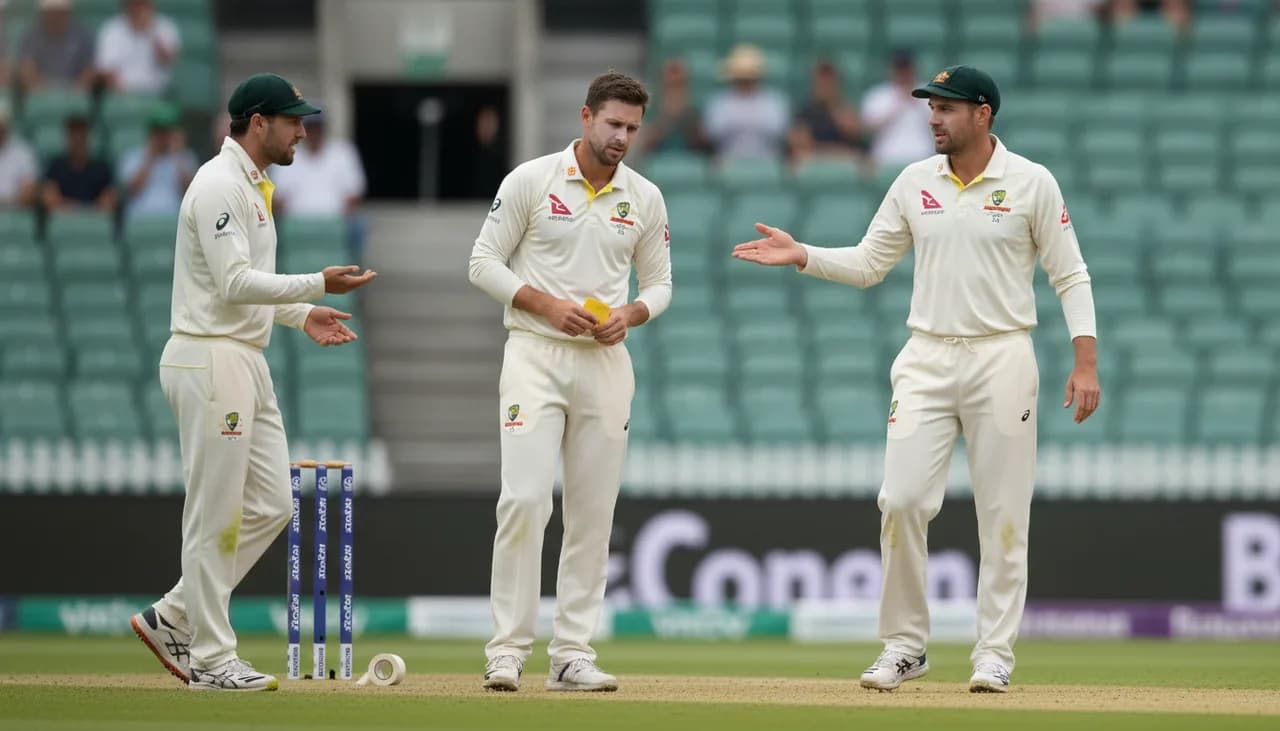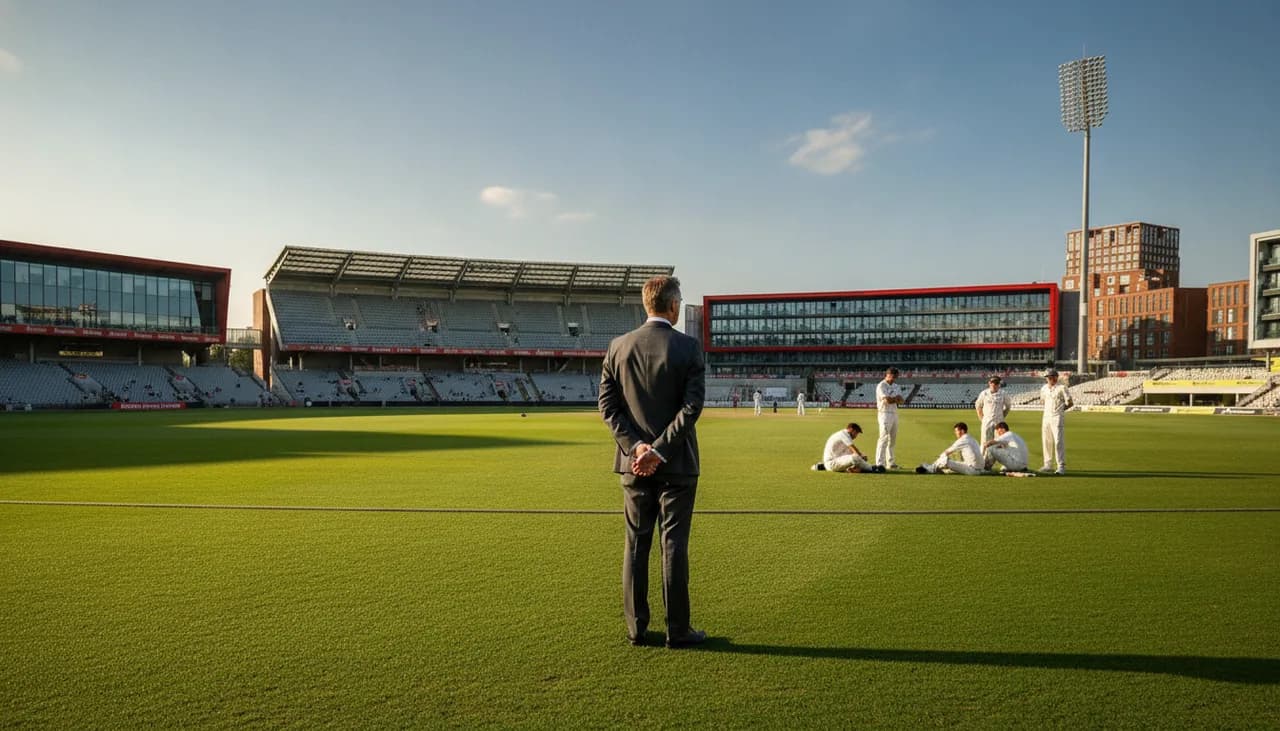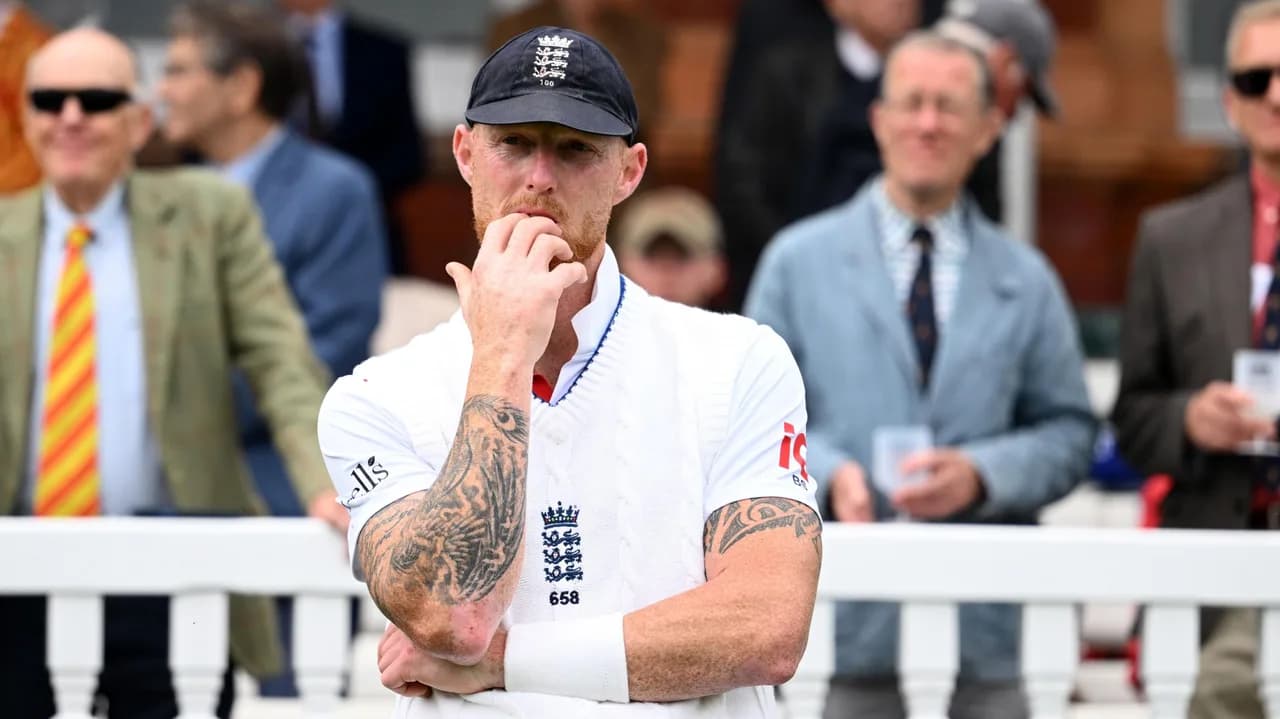
SYDNEY — England's fast-bowling resources have been dealt another crushing blow on the eve of the final Ashes Test, with confirmation that Gus Atkinson will miss the match in Sydney. The Surrey seamer becomes the third specialist pace bowler from the original touring party to be ruled out of the remainder of the series, joining Ollie Robinson and the previously announced Josh Tongue on the sidelines.
Atkinson, who made a sensational Test debut at Lord's earlier in the summer with a match-winning seven-wicket haul, was widely expected to feature in Sydney as part of England's rotation policy. However, the England and Wales Cricket Board (ECB) confirmed on Wednesday that he has been withdrawn from the squad due to a recurrence of a minor left side strain. The injury, which was managed during the latter stages of the County Championship season, has not responded sufficiently to treatment in the lead-up to the Test.
A Mounting Injury Crisis
The loss of Atkinson exacerbates a significant crisis for captain Ben Stokes and head coach Brendon McCullum. Their pace attack, once considered a deep and potent weapon, is now being held together by strapping tape and sheer willpower. Veteran stalwarts James Anderson and Stuart Broad, with a combined age of 77, are now the only remaining frontline seamers from the squad that arrived in Australia. The situation has forced a frantic call-up, with uncapped Lancashire quick Saqib Mahmood flying out to join the squad as cover.
An ECB spokesperson stated, "Gus Atkinson has been ruled out of the fifth Men's Ashes Test in Sydney due to a left side strain. He will remain with the squad for the remainder of the tour but will undergo a period of rehabilitation with the medical team. We are taking a precautionary approach with his long-term fitness in mind. Saqib Mahmood will join the squad in Sydney ahead of the Test."
The Domino Effect on England's Plans
Atkinson's absence fundamentally alters England's strategy for the SCG. The plan to inject fresh, high-pace legs into the attack for the final Test has been scuppered. His ability to extract steep bounce and bowl sustained spells in the high 140s (km/h) was seen as a crucial point of difference on a Sydney pitch that can sometimes lack life. His withdrawal leaves England with a severely limited set of options:
- James Anderson & Stuart Broad: The legendary duo must now shoulder an immense workload.
- Chris Woakes: Likely to play as the third seamer, though his record in Australia is modest.
- Ben Stokes: The captain is bowling again but remains a part-time option due to his chronic knee issue.
- Saqib Mahmood: Lacks match fitness, having not played a first-class game since April.
Former England captain Michael Vaughan commented on the situation, noting, "It's a desperate blow for England and for Gus personally. He was the one bowler they had who could genuinely surprise the Australian batters with his pace and bounce. To lose him, Tongue, and Robinson means their attack has lost all its variety and penetration. They are now reliant on skill and guile alone, which is a huge ask against this Australian batting line-up in their own conditions."
What Happened to Robinson and Tongue?
The injury woes began before a ball was bowled in the series. Josh Tongue, who impressed during the English summer, was ruled out of the entire tour after failing to recover from a persistent pectoral injury. Ollie Robinson, a key component of the 'Bazball' era, played in the first two Tests but broke down during the Lord's match with a back issue. His recovery has been slower than anticipated, and the medical team has now confirmed he will not be risked in Sydney, prioritizing his long-term future.
The Broader Context and Australian Response
This injury crisis throws a harsh light on the relentless modern schedule and England's management of their fast-bowling assets. The decision to include only four specialist seamers in the original squad, with one (Tongue) already carrying an injury, is now being heavily scrutinized. The physical demands of the 'Bazball' style, with its emphasis on aggressive fields and flat wickets at home, may also have contributed to the wear and tear on the bowlers' bodies.
Australian opener Usman Khawaja, when asked about England's plight, offered a sympathetic but pointed perspective: "It's tough for them, no doubt. Fast bowling is a brutal job, especially in a five-Test series. We've had our issues too, but they've copped the worst of it. It does make you wonder about the workload. For us, it just means focusing on our own processes, whether we're facing Anderson and Broad or someone new."
The Australian camp, while dominant in the series, has not been immune. Nathan Lyon was lost after the Lord's Test, and Mitchell Starc has been managing a shoulder problem throughout. However, their depth, particularly with the emergence of Scott Boland in previous series, has allowed them to absorb these setbacks more effectively than England.
Looking Ahead: Sydney and Beyond
For the Sydney Test, England's selection is now a case of necessity rather than choice. The likely attack will feature Anderson, Broad, and Woakes, with Stokes providing relief and spinner Jack Leach playing a major role. The call-up of Saqib Mahmood is a clear emergency measure, and it would be a monumental risk to thrust him into an Ashes decider without any recent red-ball cricket.
The long-term implications are equally concerning. With a crucial tour of India looming early next year, England's pace-bowling cupboard looks alarmingly bare. The development and careful management of bowlers like Atkinson, Tongue, and the returning Jofra Archer will be paramount. As one ECB insider privately conceded, "This is a wake-up call. We need to build a bigger, more resilient group of fast bowlers, and we need to look after them better."
In conclusion, the confirmation that Gus Atkinson will miss the Sydney Test is more than just a late team change; it is the culmination of a series-long attritional battle that England has decisively lost. The dream of fielding a vibrant, multi-dimensional pace attack has evaporated, leaving the tourists to rely on the enduring class of their aging champions and the hope that their batting can produce something extraordinary. The Ashes may be gone, but the fight in Sydney has taken on a new character—one of resilience in the face of a debilitating injury crisis that has come to define their challenging tour down under.