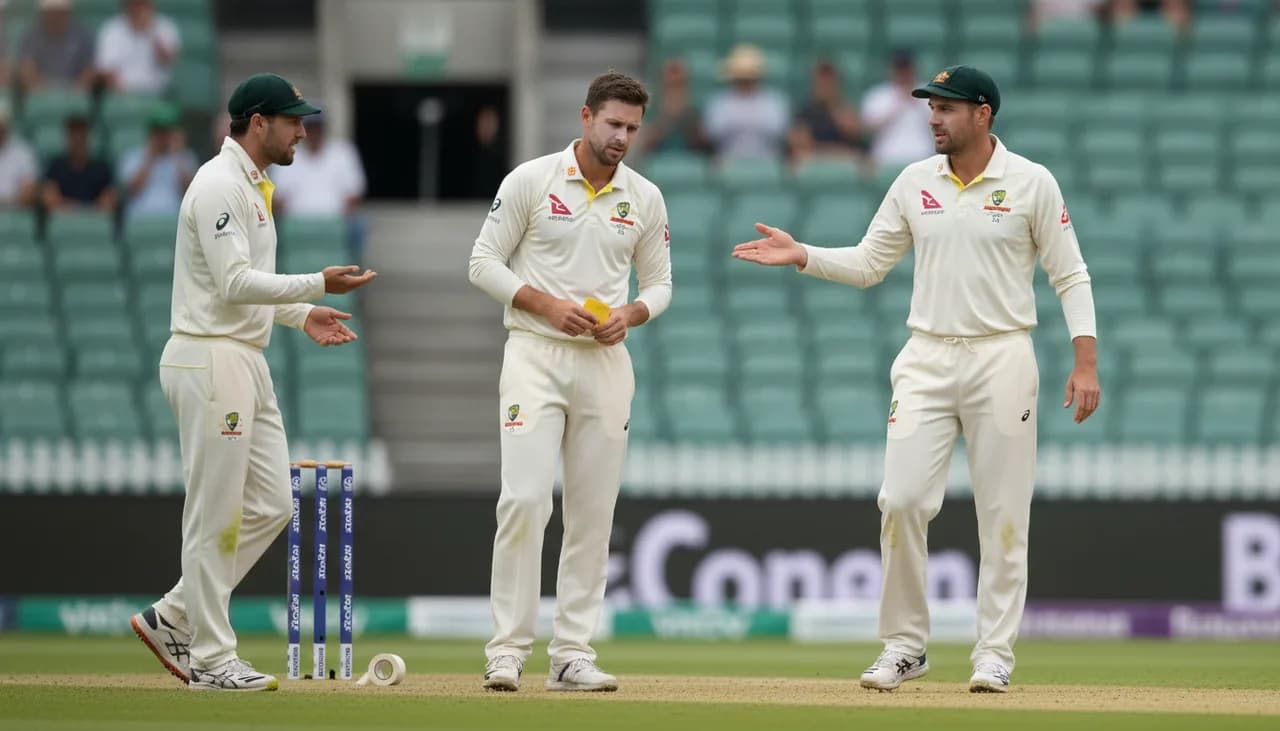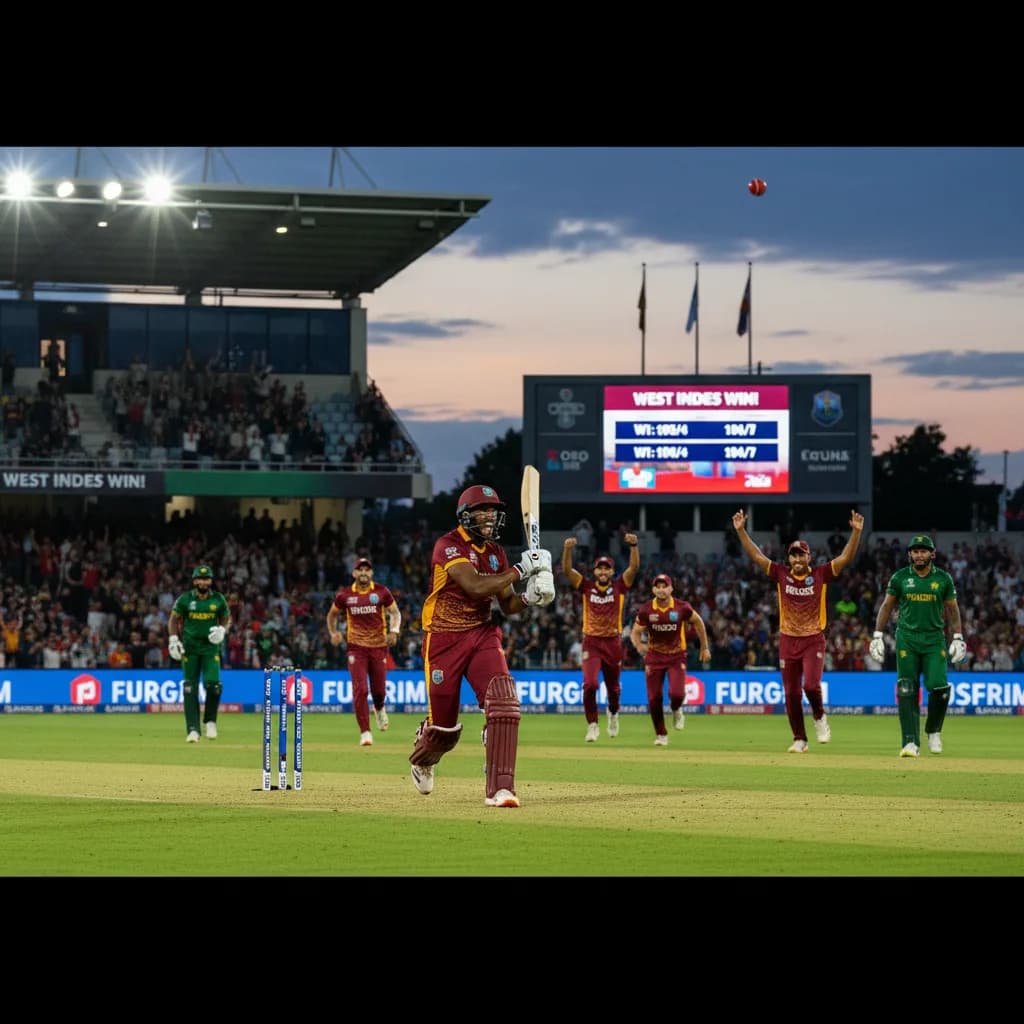
ADELAIDE — In one of the most astonishing collapses in Test cricket history, Australia bowled out the West Indies for a mere 27 runs — the second-lowest total ever recorded in the format and the worst since New Zealand's infamous 26 against England in 1955. The dramatic collapse handed Australia a 176-run victory in the first Test at Adelaide Oval, leaving fans and pundits stunned.
The West Indies, chasing a modest target of 204, were dismantled in just 19.4 overs by Australia's relentless pace attack. Josh Hazlewood (5-9) and Mitchell Starc (4-10) wreaked havoc, with only two West Indies batters reaching double figures. Captain Kraigg Brathwaite (10) and debutant Shamar Joseph (7) were the only resistance in a batting card that read like a horror show. "It's hard to explain what just happened," Brathwaite admitted post-match. "We just didn't turn up."
A Historic Collapse
The West Indies' total of 27 is now etched into cricket folklore as one of the most humiliating batting performances in Test history. Only New Zealand's 26 at Auckland in 1955 sits below it in the record books. The collapse included:
- Five ducks in the innings
- A longest partnership of just 12 runs
- Only 68 balls faced in total
- The entire innings lasted less than 20 overs
Former Australian captain Ricky Ponting, commentating for Channel 7, called it "one of the most extraordinary things I've ever seen in Test cricket." Meanwhile, West Indies legend Brian Lara tweeted: "This is a dark day for West Indies cricket. Changes must come."
Australia's Bowling Masterclass
While the West Indies' batting was abysmal, credit must go to Australia's bowlers, who exploited the conditions perfectly. Hazlewood, in particular, was unplayable, swinging the ball both ways and hitting a relentless line and length. His five-wicket haul came in just 5.4 overs, with four of his victims bowled or LBW.
Starc, meanwhile, provided the early breakthroughs, removing both openers inside the first four overs. Captain Pat Cummins chipped in with the wicket of Joshua Da Silva, while Nathan Lyon wasn't even required to bowl. "We just kept it simple," Hazlewood said. "The pitch did a bit, but we stuck to our plans."
The Key Moments
The collapse began in the third over when Starc trapped Tagenarine Chanderpaul LBW for 0. From there, the wickets tumbled:
- Kirk McKenzie caught behind for 0 off Hazlewood
- Alick Athanaze bowled by a Starc yorker for 0
- Kavem Hodge nicking Hazlewood to second slip for 1
- Justin Greaves bowled through the gate for 2
By the time Hazlewood cleaned up Alzarri Joseph for 0, the West Indies were 22-9, staring at the prospect of recording the lowest Test total ever. Only a last-wicket stand of 5 between Shamar Joseph and Gudakesh Motie spared them that ignominy.
Historical Context
This wasn't the first time the West Indies have suffered a dramatic collapse against Australia. In 2000, they were bowled out for 51 in Trinidad, while in 2015, they managed just 47 in Barbados. However, this 27 all out surpasses even those lows.
The only lower Test total remains New Zealand's 26 at Eden Park in 1955, when they were demolished by England's Frank Tyson and Brian Statham. Other infamous sub-30 totals include:
- South Africa's 30 vs England (1924)
- South Africa's 35 vs England (1899)
- Zimbabwe's 35 vs Sri Lanka (2004)
Cricket statistician Ric Finlay noted that this was "the first time in 2,523 Test matches that a team has been bowled out in under 20 overs while chasing 200+."
Fallout and Reactions
The defeat has sparked fierce debate about the state of West Indies cricket. Former players have called for urgent reforms, while fans have expressed anger and disappointment on social media. Coach Andre Coley admitted: "We have to take a long, hard look at ourselves after this."
For Australia, the victory extends their dominant home record, but captain Pat Cummins refused to get carried away: "We know the West Indies will come back harder in the next Test." The second Test begins in Brisbane on January 25, with the tourists facing a monumental task to restore pride.
As cricket fans around the world processed what they'd witnessed, one thing was clear: this was a day that would live in infamy in West Indies cricket history. Whether it proves to be a nadir that sparks revival or simply another chapter in their decline remains to be seen.