
PERTH — In a massive blow to Australia's Ashes campaign, fast bowler Josh Hazlewood has been officially ruled out of the first Test at the Optus Stadium in Perth, leaving the home side's pace attack seriously depleted for the highly anticipated series opener.
Hazlewood, a linchpin of Australia's bowling unit, failed a final fitness test on a nagging side strain that has troubled him since the recent T20 World Cup. Team management confirmed the news on Tuesday morning, stating that the experienced seamer had not responded to treatment as quickly as hoped and would not be risked.
Australian captain Pat Cummins expressed his disappointment at the news, telling reporters, "It's a huge shame for Joshy. He's been working incredibly hard with the medical team, but side strains are tricky. We have to be smart about this with a long series ahead. His experience and control, especially with the new ball, will be missed, but it provides a great opportunity for someone else to step up."
A Bowling Attack in Flux
Hazlewood's absence creates a significant void in Australia's three-pronged pace attack, famously known as the "Big Three" alongside Cummins and Mitchell Starc. The trio has been instrumental in Australia's recent Test successes, including the 4-0 Ashes triumph in 2021-22. Hazlewood's impeccable line and length, and his ability to extract bounce from any surface, make him a particularly potent weapon in Perth's conditions.
The selection panel, led by George Bailey, now faces a difficult decision. The primary contenders to fill the vacant spot are all-rounder Cameron Green, who offers a batting bonus, or a specialist fast bowler. The options for the latter include:
- Scott Boland: The Victorian veteran, whose stunning debut series against England made him a folk hero, boasts an incredible career average of 14.57 and is renowned for his relentless accuracy.
- Michael Neser: A consistent performer at the domestic level for years, Neser offers genuine swing bowling and is more than handy with the bat, strengthening the lower order.
- Lance Morris: Dubbed the "Wild Thing" for his express pace, Morris could provide the X-factor and raw speed to unsettle the English top order on a potentially quick Perth deck.
England's Psychological Boost
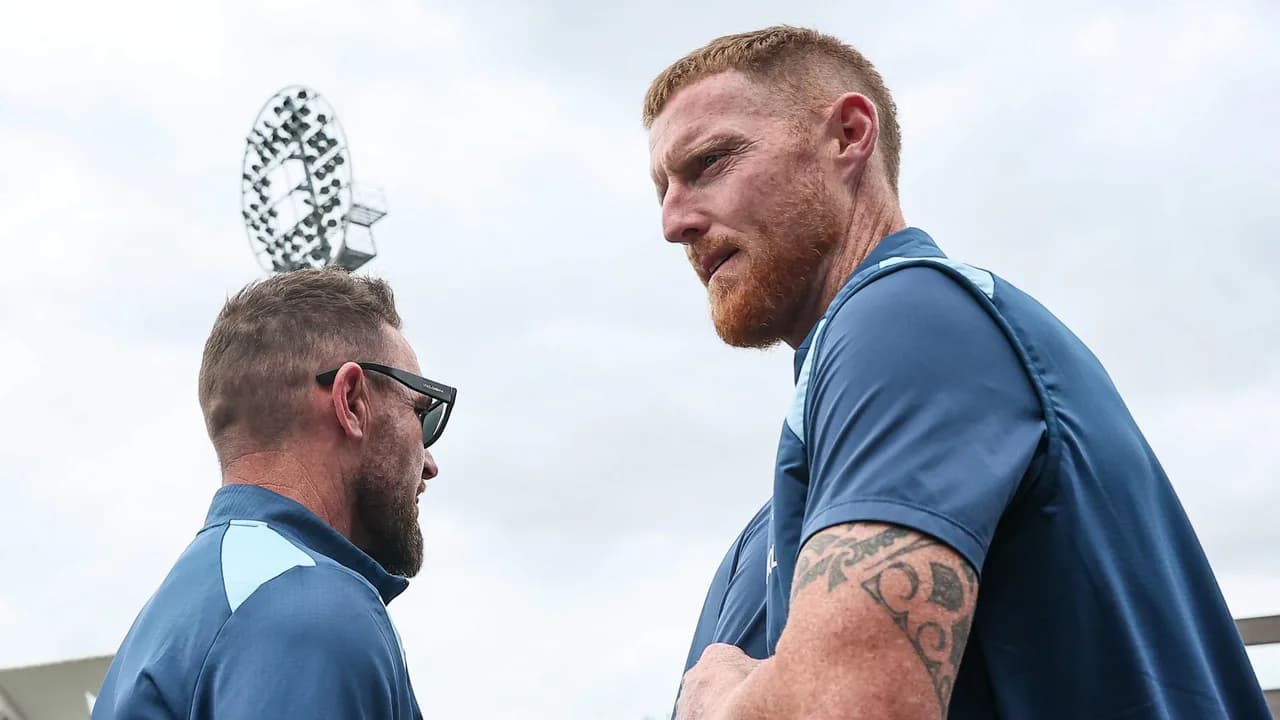
For the visiting English side, led by new captain Ben Stokes and coach Brendon McCullum, the news of Hazlewood's withdrawal is a significant psychological boost. England's 'Bazball' approach, characterized by aggressive batting and positive intent, will now face a slightly less experienced Australian bowling lineup. One less world-class bowler to contend with eases the pressure on an English top order that has promised to take the attack to the Australian quicks.
Stokes, while respectful of the challenge, acknowledged the shift in dynamics. "Look, you never want to see a competitor like Josh miss out through injury. He's a fantastic bowler. But, of course, it changes the complexion of their attack. It's one less major threat for our batters to plan for. We've got to be ruthless and look to exploit any advantage we can get, but we know whoever comes in will be high quality and desperate to make their mark."
The Perth Pitch and Tactical Implications
The nature of the Optus Stadium pitch adds another layer to the selection headache. While traditionally known for its pace and bounce, the wicket for this inaugural Ashes Test has been the subject of much speculation. Some curators have suggested it might play slower than the old WACA ground, potentially favoring a bowler with Neser's swing or Boland's seam movement over pure pace. This could influence the final decision, pushing the selectors towards a more controlled, line-and-length operator.
Furthermore, Hazlewood's absence puts more pressure on the workload of Cummins and Starc. With no fifth bowling option guaranteed if Green is not selected, the three main pacers will have to carry a heavy burden, a concern given the back-to-back nature of the Test schedule. This could make Green's inclusion as a fourth seamer almost essential, despite it weakening the batting depth slightly.
A History of Fitness Concerns
This is not the first time Hazlewood has been sidelined at a crucial moment. The 32-year-old has managed a series of niggling injuries over the past 18 months, which have limited his appearances across all formats. This recurring issue raises questions about his long-term workload management, especially with a packed international calendar. The Australian medical staff will be keen to ensure he is fully recovered, not just for a potential return in the second Test in Adelaide, but for the entire five-match series.
National selector George Bailey addressed the media, stating, "Josh is a professional, and he understands his body. We are taking a long-term view. The Ashes is a marathon, not a sprint. We are confident he will play a major part in this series, but rushing him for the first Test would be irresponsible."
The Road to the First Test
With the first ball just days away, the Australian camp must quickly regroup and finalize their playing XI. The final decision will likely be made after a close inspection of the pitch the day before the match. The loss of a bowler of Hazlewood's calibre is undeniably a setback, forcing a strategic rethink. However, it also sets the stage for a new hero to emerge.
Whether it's Boland continuing his fairytale start, Neser finally getting an extended run, or Morris unleashing his thunderbolts, the opportunity is immense. The first Ashes Test was always going to be a blockbuster, but Hazlewood's unfortunate exit has added a compelling new subplot to the drama. The depth of Australian cricket is about to be tested on its biggest stage.
As the cricket world holds its breath, one thing is certain: the battle for the urn has begun with a significant pre-match blow, setting the tone for what promises to be a fiercely contested and unpredictable series. All eyes will now be on the Australian selectors to see how they choose to counter this early setback.