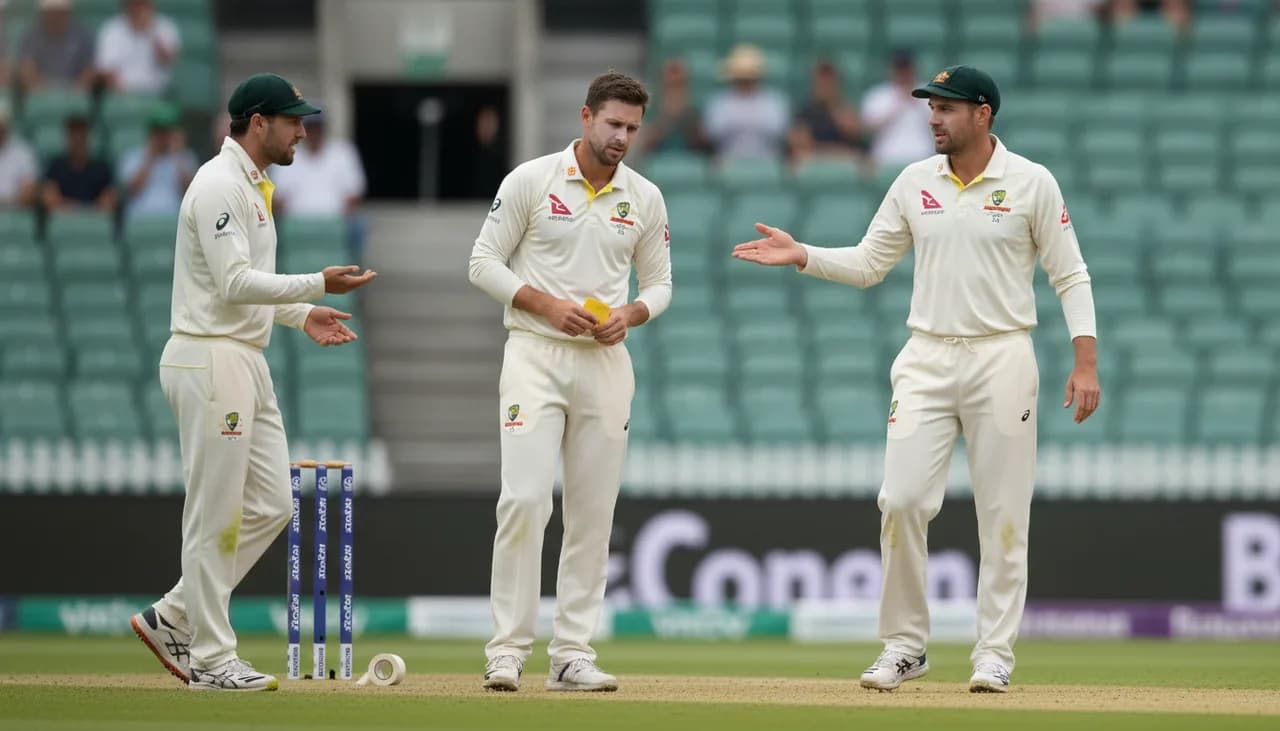
MELBOURNE — In a significant blow to Australia's T20 World Cup campaign, star fast bowler Josh Hazlewood has been officially ruled out of the tournament in the West Indies and USA. The towering seamer, a linchpin of the Australian pace attack across all formats, had been named in the initial 15-man squad announced in late April, but Cricket Australia (CA) confirmed on Tuesday that it was "too much of a risk" to attempt to rush him back from injury.
Hazlewood, 33, has been sidelined since the Indian Premier League (IPL) due to a left side strain, an injury that has proven more troublesome than initially hoped. Despite intensive rehabilitation, the medical team determined that the tight turnaround and the high-intensity demands of a World Cup posed an unacceptable threat of re-injury. National selector George Bailey stated, "Josh is very important to us, and a long-term view was taken with his recovery."
The Domino Effect on Australia's Plans
Hazlewood's withdrawal forces a major strategic rethink for captain Mitchell Marsh and coach Andrew McDonald. His absence leaves a substantial void in the powerplay and death bowling departments, where his impeccable length, bounce, and economy have been world-class. His record in T20 Internationals is formidable, with 58 wickets at an average of 20.75 and an economy rate of just 7.32, making him one of the most reliable operators in the game.
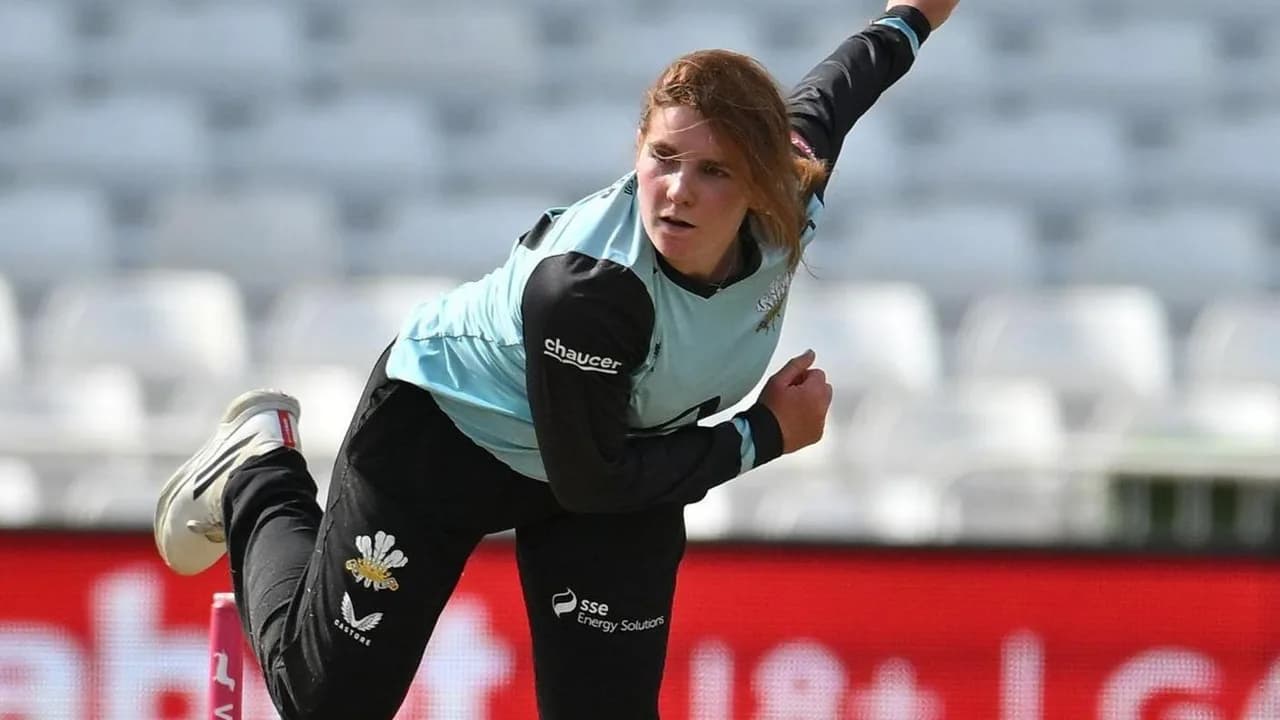
The selection panel has acted swiftly, naming Queensland and Brisbane Heat quick Spencer Johnson as Hazlewood's replacement. Johnson, a left-arm fast bowler capable of exceeding 145 kph, offers a point of difference with his angle and has impressed in domestic leagues and for Australia in recent bilateral series. Bailey highlighted Johnson's attributes, saying, "He brings a slightly different skill set with the left-arm angle and has performed well whenever given the opportunity."
A History of Untimely Fitness Battles
This latest setback adds to a frustrating pattern for Hazlewood, whose career has been punctuated by carefully managed workloads and untimely injuries around major tournaments. He missed a significant portion of the 2022 T20 World Cup triumph on home soil due to a side strain, playing only the final group game and the knockout stages. His reliability when fit, however, is unquestioned, making his loss a critical moment for the defending champions.
The revised Australian pace attack will now likely be led by the explosive Mitchell Starc and the ever-crafty Pat Cummins, with Nathan Ellis and the recalled Spencer Johnson vying for the third seamer's role. All-rounders Marcus Stoinis and Cameron Green provide additional bowling options, but neither replicates the pure, metronomic pressure Hazlewood applies. The team's balance, heavily reliant on its fast-bowling firepower, is undoubtedly altered.
Key Challenges for Australia Without Hazlewood
The tactical implications of Hazlewood's absence are multifaceted. His role was clearly defined, and his exit creates several immediate challenges for the team management:
- Powerplay Penetration: Hazlewood's ability to take early wickets while conceding minimal runs was a cornerstone of Australia's 2022 success. Replicating that control will fall to Starc and Cummins, increasing their workload.
- Death Overs Expertise: While Starc is a premier death bowler, Hazlewood's variations and pinpoint yorkers at the death provided a reliable second option. This puts more pressure on Ellis or Johnson to step up in high-leverage situations.
- Experience in the Caribbean: Hazlewood's intelligence in adapting to slower, lower pitches in the West Indies would have been invaluable. His loss means a younger, less experienced bowler must adapt on the fly.
The Road Ahead and Tournament Outlook
Australia finds itself in a tough Group B alongside arch-rivals England, Namibia, Oman, and Scotland. While they remain one of the tournament favourites, Hazlewood's withdrawal levels the playing field somewhat, particularly in matches where containing high-powered batting line-ups like England's will be crucial. The team's first match is against Oman in Barbados on June 5th, giving the new-look bowling unit little time to settle.
The focus for Hazlewood now shifts to a full and careful recovery, with the upcoming Test summer, including a marquee series against India, looming large. CA's decision underscores their priority to manage his long-term fitness. "We look forward to seeing Josh back in action as soon as possible," Bailey concluded, striking a note of optimism for the future.
For Spencer Johnson, this call-up represents a career-defining opportunity. His journey, marked by serious injuries early in his career, has been one of resilience. Now, he has the chance to cement his place on the world stage. As the Australian squad departs for the Caribbean, the question hanging over their title defence is clear: can their formidable attack remain as potent without its most consistent component?
The cricketing world will be watching closely. Hazlewood's absence is not just an Australian concern; it reshapes the dynamics of the entire tournament, offering a glimmer of hope to other contenders and placing the spotlight firmly on how Australia's famed "next man up" philosophy holds under the intense pressure of a World Cup.