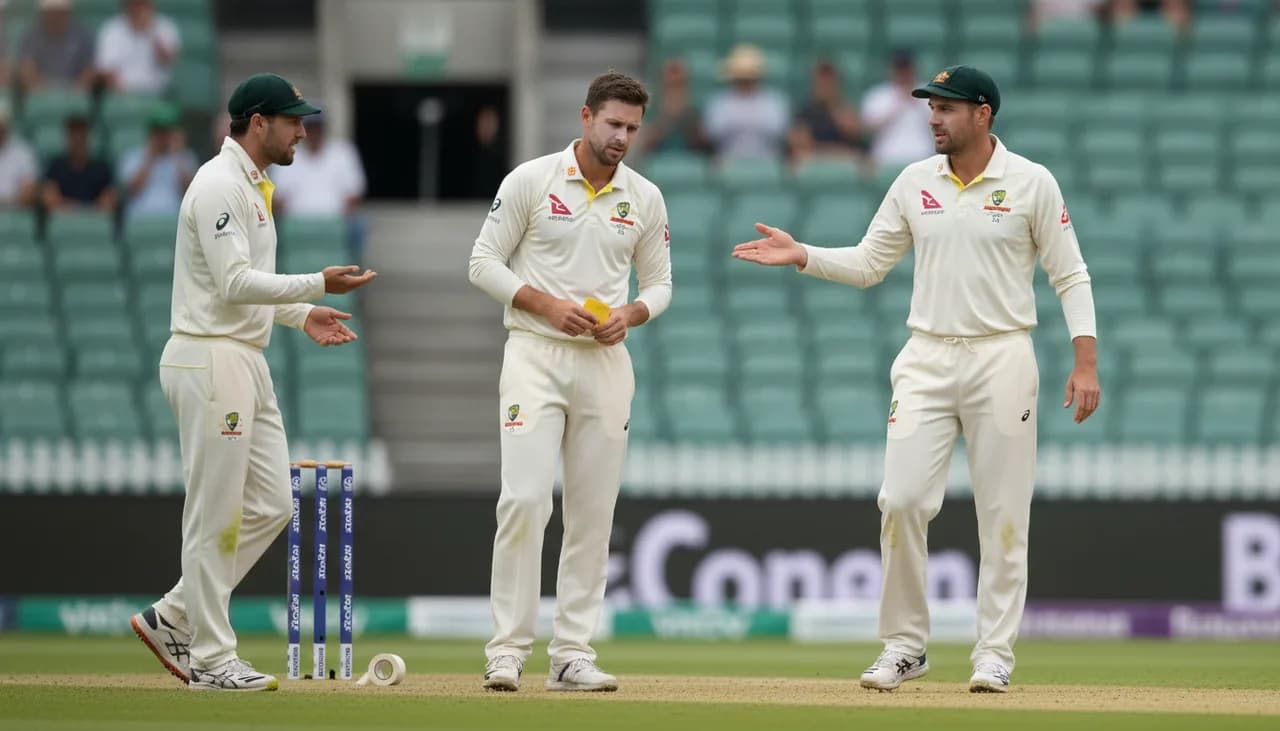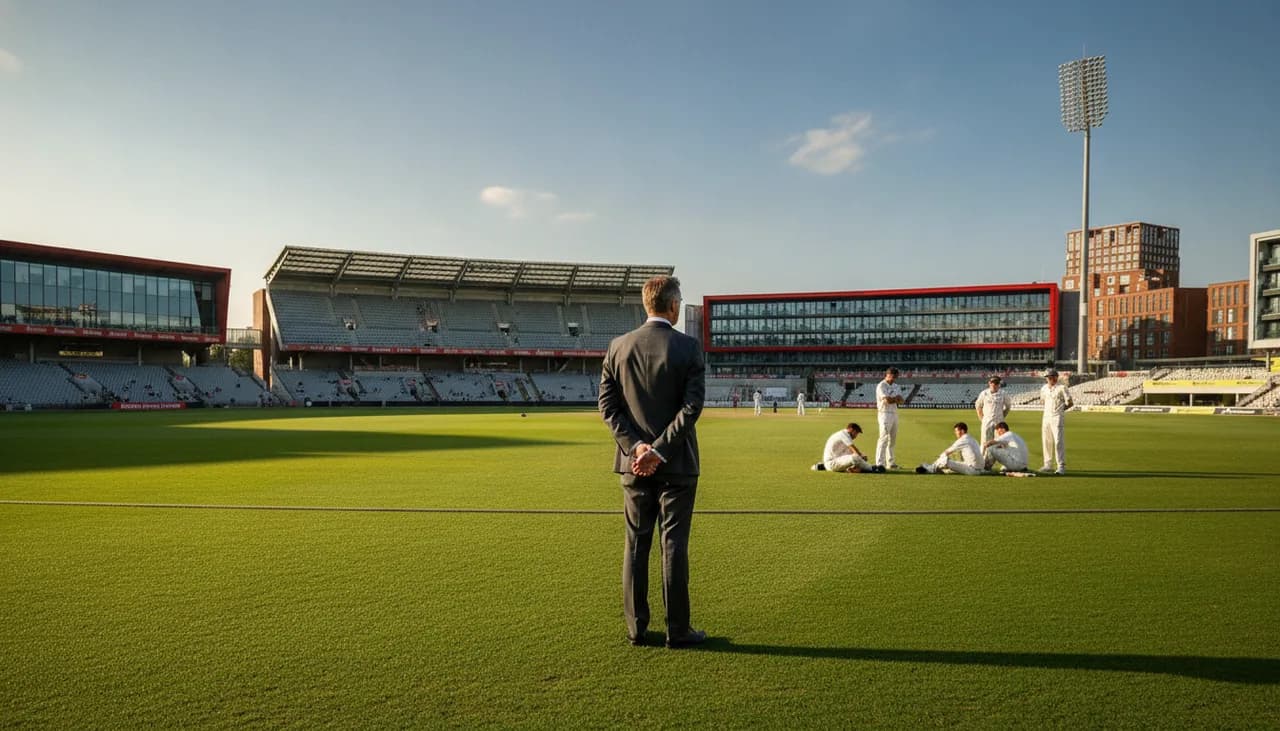
DHAKA — In a dramatic escalation of tensions between players and administrators, Bangladesh's national cricketers have initiated a boycott of all cricket-related activities, throwing the country's domestic and international schedule into disarray. The unprecedented action comes in response to inflammatory comments made by Bangladesh Cricket Board (BCB) director and former national captain, Khaled Mahmud Sujon, regarding the distribution of prize money from the recent T20 World Cup.
The players' strike, announced via a unified statement from the Bangladesh Cricket Players' Association, encompasses all forms of cricket, including the upcoming Bangladesh Premier League (BPL), the Dhaka Premier League (DPL), and the National Cricket League (NCL). This collective action represents one of the most significant player revolts in the nation's cricketing history and underscores deep-seated frustrations over financial transparency and respect from the board.
The Spark: A Director's Dismissive Comments
The crisis was ignited when BCB director Khaled Mahmud, speaking to the media, downplayed the players' contribution to the team's T20 World Cup campaign, where Bangladesh reached the Super Eight stage. He suggested that the substantial prize money earned by the board—reportedly around $1.25 million—was primarily for the BCB's coffers and that players should not expect a significant share, as their salaries and match fees were already being paid.
His remarks, perceived as dismissive and disrespectful of the athletes' efforts on the global stage, spread rapidly among the player community. In their official statement, the players highlighted the comment as the final straw, stating it exemplified a "consistent pattern of disrespect and a lack of proper valuation" from certain board officials. The players' core demands, presented to the BCB, include:
- The immediate and unconditional removal of Khaled Mahmud from his position as BCB director.
- A formal, public apology from the BCB for the derogatory comments made about the national team.
- A transparent and equitable policy for the distribution of ICC event prize money, with a significant share going to the players.
- A systematic increase in domestic cricketers' match fees and the introduction of a formal pension scheme for retired players.
Board Reaction and Immediate Fallout
Faced with the unified front of the nation's top cricketers, the BCB moved swiftly in an attempt to quell the rebellion. Within hours of the boycott announcement, the board issued a statement confirming that Khaled Mahmud had been "relieved of his duties as a director" with immediate effect. BCB president Nazmul Hassan Papon stated, "The board respects the sentiments of our players. We have taken the necessary step regarding director Mahmud and are committed to resolving all issues through dialogue."
However, the players' association made it clear that Mahmud's removal, while a primary demand, was not the sole issue. The boycott remains in effect pending a comprehensive resolution of their other grievances, particularly the financial model. "This is not about one individual," a senior player said on condition of anonymity. "This is about systemic change. We are professionals who bring revenue and pride to the nation. We deserve to be treated as partners, not employees who should be grateful for scraps."
A History of Underlying Tensions
The current boycott did not emerge in a vacuum. It is the culmination of years of simmering discontent over several key issues that have periodically strained player-board relations. Players have long expressed frustration over central contract valuations that lag behind those of other major cricket nations, opaque selection processes, and a heavy international schedule that leaves them fatigued and prone to injury without adequate rotation or rest protocols.
Furthermore, the financial structure of domestic cricket has been a persistent pain point. While top-tier national stars earn substantial incomes, the vast majority of first-class cricketers in Bangladesh play for wages that are not commensurate with a full-time professional career, forcing many to seek secondary employment. The players' demand for a pension scheme highlights concerns about long-term financial security after retirement.
The Stakes: A Cricketing Calendar in Jeopardy
The timing of the boycott could not be more critical for Bangladesh cricket. The domestic season is poised to begin, with the prestigious Dhaka Premier League—the cornerstone of the local calendar—scheduled to start imminently. More pressingly, the flagship Bangladesh Premier League (BPL) T20 tournament is slated for early next year, a major revenue generator for the board and a crucial platform for players.
Internationally, Bangladesh is scheduled to host a series against India later in the season, followed by tours to Pakistan and South Africa. A prolonged boycott threatens the preparation and participation of the national team in these high-profile contests, potentially leading to massive financial losses for the BCB in broadcasting and sponsorship rights, and damaging the country's standing within the International Cricket Council (ICC).
Cricket analysts within Bangladesh note that the players have seized a moment of significant leverage. "The board cannot run tournaments without the players," said a prominent sports journalist. "The BPL without Shakib, Tamim, Mustafizur, and the other stars is commercially unviable. The players know this, and they are using that leverage to fight for long-term structural reforms."
The Path Forward and Broader Implications
As of now, emergency negotiations are underway between a delegation from the players' association, led by senior figures like Shakib Al Hasan and Mushfiqur Rahim, and the BCB's top brass, including president Nazmul Hassan. The focus is on drafting a memorandum of understanding (MoU) that would address the prize money distribution formula and outline improvements to the domestic wage structure and welfare schemes.
The outcome of this standoff is being closely watched across the cricketing world. Player associations in other nations, who have fought their own battles for revenue sharing and better conditions, see the Bangladesh action as a significant moment. It signals a new era of player empowerment in a country where cricketing administration has traditionally been highly hierarchical and top-down.
The BCB, in its most recent communication, expressed optimism: "We are in positive discussions with our players. They are the heart of our game, and we are confident of reaching an agreement that upholds the dignity of all parties and secures the future of Bangladesh cricket." However, the players have vowed not to return to the field until a signed agreement is in place.
This boycott represents a watershed moment for Bangladesh cricket. It is a forceful assertion by the players of their worth and their right to a fair share of the commercial value they generate. While the immediate trigger was a director's unfortunate comments, the resolution will need to go far beyond an apology or a dismissal. It must forge a new, more professional and respectful relationship between those who play the game and those who administer it, setting the foundation for the next era of Bangladeshi cricket on and off the field.