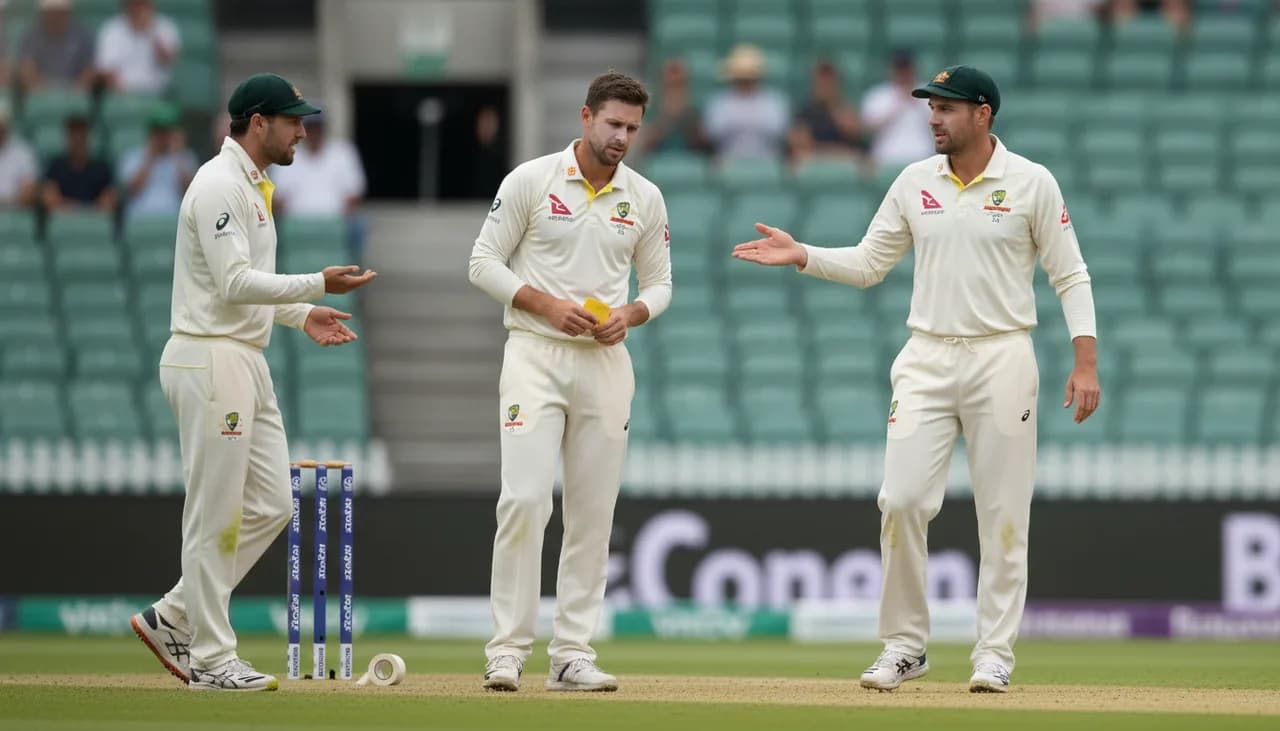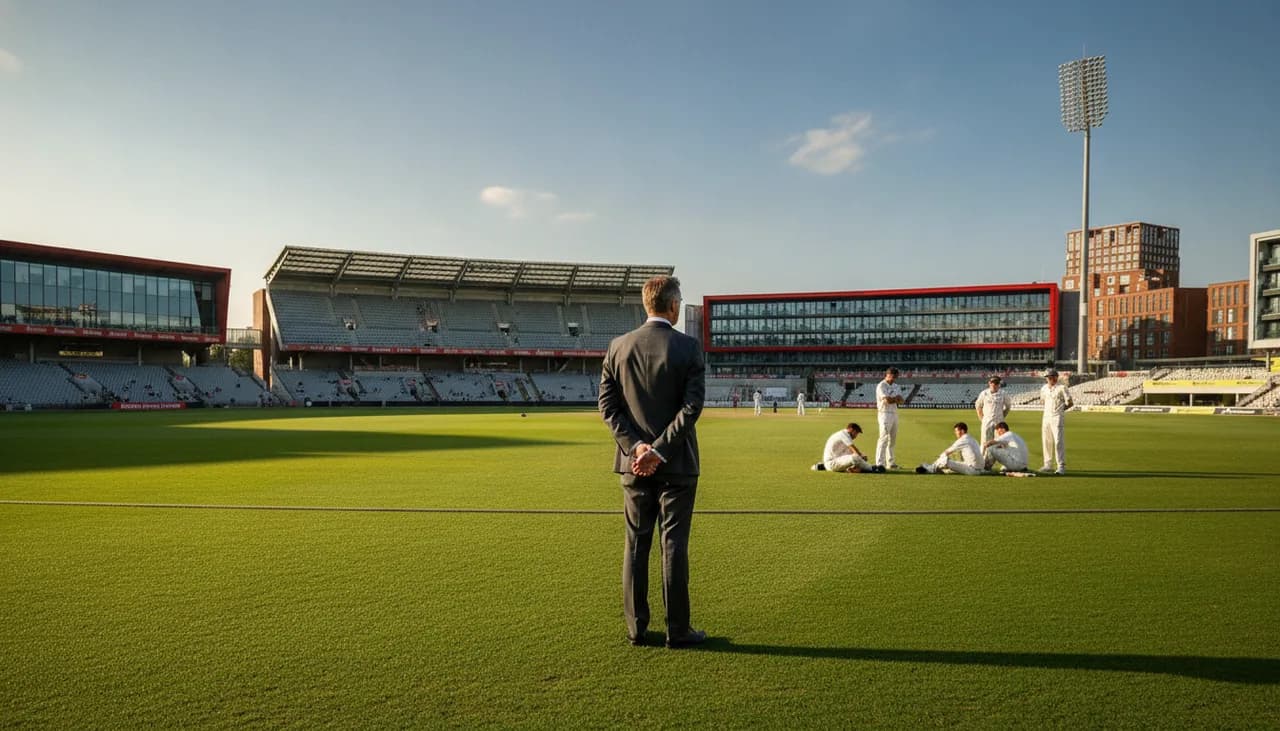
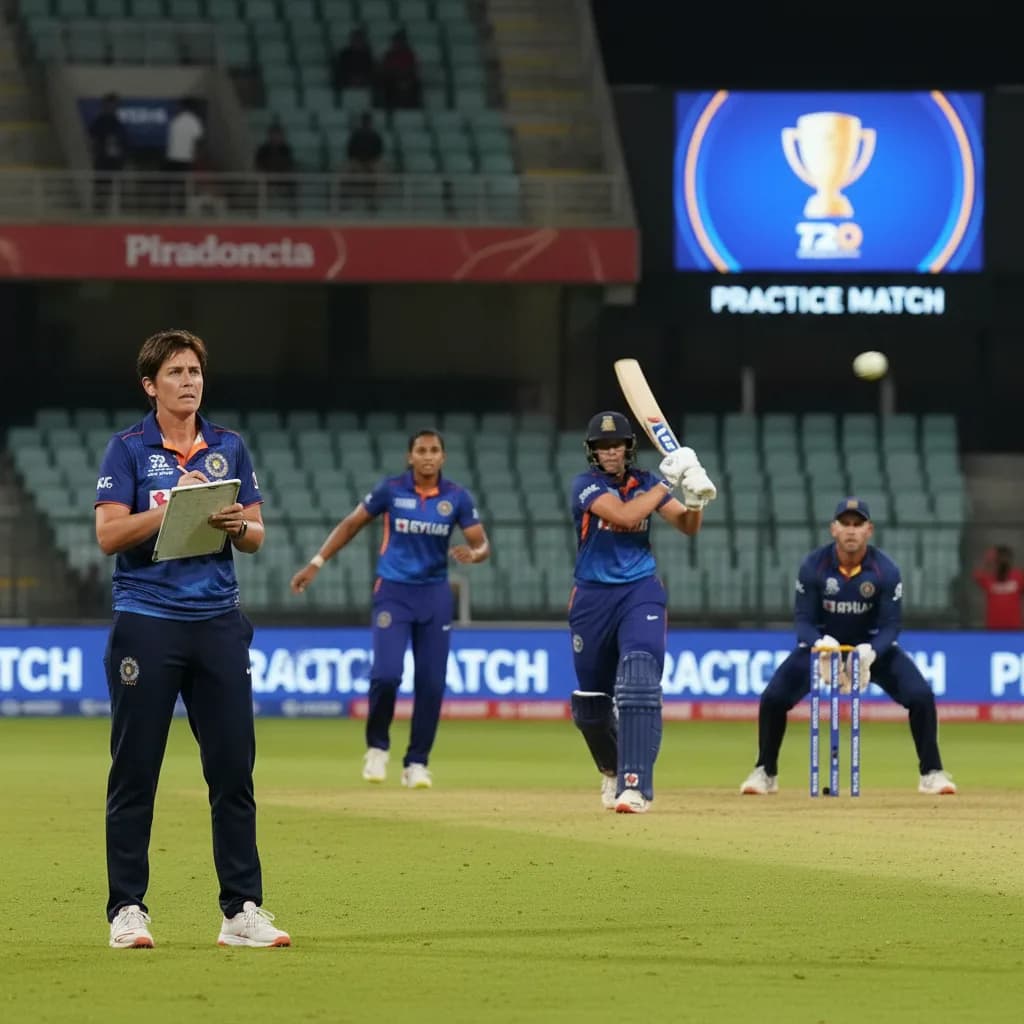
DHAKA — Bangladesh's participation in next month's ICC Men's T20 World Cup has been thrown into serious doubt after the Bangladesh Cricket Board (BCB) reaffirmed its refusal to play any of its scheduled matches in India, escalating a high-stakes geopolitical standoff with the International Cricket Council (ICC).
The crisis stems from the tournament's hybrid model, necessitated by India's continued refusal to travel to Pakistan. While Pakistan retains hosting rights for a portion of the event, India's matches, and those of several other teams, were moved to neutral venues. Bangladesh, however, has been drawn in a group where its matches are slated for Dharamsala and Pune in India, a situation the BCB now deems "untenable and unacceptable" on security and logistical grounds.
The Core of the Dispute: A Firm "No" to India
At the heart of the conflict is the BCB's unwavering demand that all of Bangladesh's Group A fixtures be relocated to Sri Lanka, the other neutral host nation. BCB President Nazmul Hassan stated unequivocally at a press conference, "Our position is clear and non-negotiable. We will not set foot in India for this World Cup. The security assurances we have received are insufficient, and the logistical challenges for our fans are being completely ignored. Sri Lanka is the only viable alternative."
The BCB's concerns are multifaceted. Primarily, they cite specific intelligence reports regarding potential security threats to the Bangladeshi team on Indian soil, compounded by the intense and often hostile rivalry between the two nations' fanbases. Furthermore, the board highlights the immense difficulty—and for many, impossibility—of Bangladeshi fans obtaining Indian visas on short notice, arguing it strips their team of any semblance of "home" support and violates the spirit of a global event.
ICC's Stance and the Impending Deadline
The ICC, which had hoped the matter was resolved after preliminary discussions, finds itself in a bind. Relocating matches involves rewriting complex broadcast agreements, reissuing tickets, and overhauling security and operational plans with less than four weeks until the tournament's start on June 1. An ICC spokesperson told media, "We are in continuous dialogue with all members. Our primary objectives are the safe and smooth delivery of the event and ensuring all qualified teams can participate. We are exploring all options within a very tight timeframe."
Sources within the ICC indicate that while the council is frustrated by the BCB's last-minute firm stance, it cannot afford the reputational and financial damage of a major team withdrawing. The potential solutions on the table, each with significant complications, include:
- Scenario 1: Agreeing to the BCB's demand and moving Bangladesh's matches to Colombo or Kandy, Sri Lanka. This is the most disruptive option logistically.
- Scenario 2: Offering enhanced, government-level security guarantees and fast-tracked visa processes for fans, hoping to assuage BCB's concerns.
- Scenario 3: The nuclear option: threatening Bangladesh with forfeiture and replacement by a reserve team, a move considered highly unlikely given the commercial implications.
The Geopolitical Undercurrent
Analysts note this is not purely a cricketing issue. Relations between Bangladesh and India have experienced strains in recent years over trade, water-sharing, and political rhetoric. The BCB's hardline position is seen by some as reflecting broader governmental displeasure. A senior BCB official, speaking anonymously, said, "This is about respect and principle. We have accommodated the hybrid model, but why must our team and our fans bear the entire burden of its inconvenience?"
The standoff has sent shockwaves through Group A, which also includes South Africa, Sri Lanka, Nepal, and the Netherlands. Team managements are now forced to prepare contingency plans for two possible schedules. Sri Lanka Cricket (SLC) has confirmed it has the stadium capacity to host additional games but has emphasized it would require immediate notice and significant support from the ICC to mobilize resources.
Player Anxiety and the Human Cost
Amid the boardroom battle, the Bangladeshi players are in a state of limbo. Preparations for one of cricket's premier events have been overshadowed by uncertainty. Star all-rounder Shakib Al Hasan expressed the squad's collective anxiety, stating, "We have trained for months for this World Cup. Our minds should be on cricket, on tactics, on performance. Instead, we are reading headlines about whether we will even play. It is deeply unsettling."
The situation also risks alienating the passionate Bangladeshi fanbase. For many supporters, the dream of watching their team on the world stage has turned into a saga of visa anxieties and political posturing. Social media is flooded with frustration, with many fans accusing both the BCB and ICC of failing in their duty to the sport's followers.
With the clock ticking down, the ICC's Event Committee is scheduled for emergency talks. The outcome will hinge on whether a face-saving compromise can be found that addresses the BCB's core security concerns without forcing a complete overhaul of the match schedule. The cricketing world now watches and waits to see if Bangladesh's refusal to back down will force an unprecedented late shuffle in a World Cup or, in a worst-case scenario, lead to the absence of a top-tier cricketing nation from the tournament.
The deadline for a final decision is understood to be May 10, giving organizers just three weeks to implement any changes. As one veteran ICC administrator grimly noted, "This is a mess of politics and protocol, and it's the players and the fans who are losing out. A solution must be found, and it must be found tomorrow."