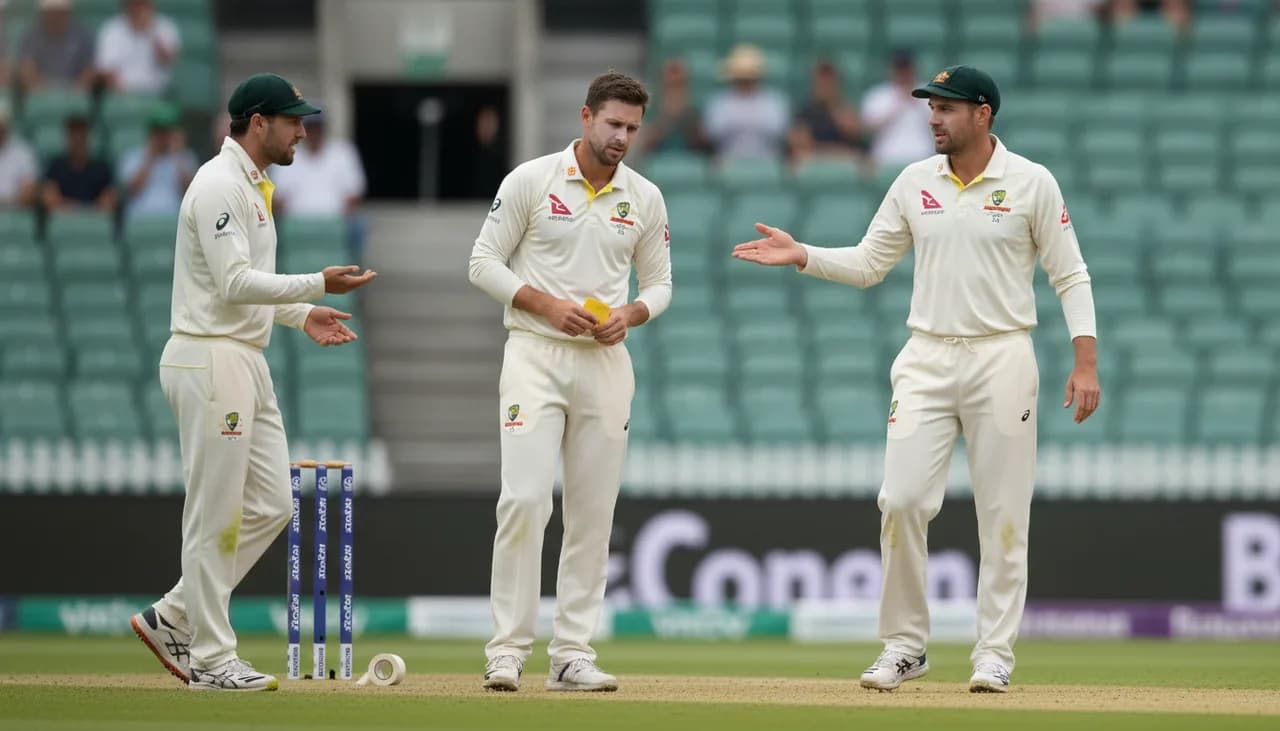
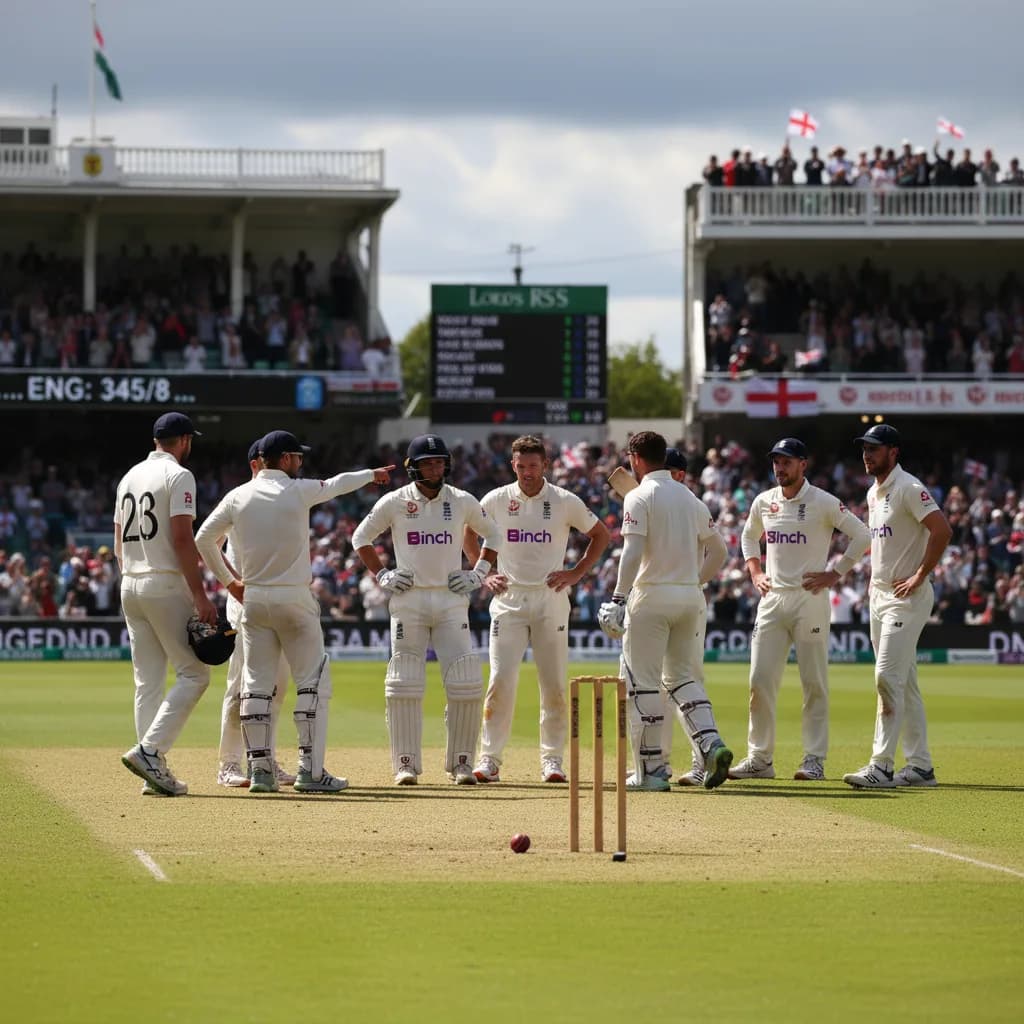
DHAKA — In a stunning development that has sent shockwaves through the cricketing world, the Bangladesh Cricket Board (BCB) has announced that its national team will not travel to India for the upcoming ICC Men's T20 World Cup "under current conditions." The board has formally requested the International Cricket Council (ICC) to relocate all of Bangladesh's scheduled matches to a neutral venue outside of India.
The decision, communicated to the ICC late Tuesday, casts a significant shadow over the marquee tournament scheduled to begin next month. According to a strongly-worded statement from the BCB, the refusal stems from unresolved security and logistical concerns that the board claims have not been adequately addressed by either the ICC or the Board of Control for Cricket in India (BCCI), the tournament's host.
BCB President Nazmul Hassan stated in a press conference, "The safety and well-being of our players, support staff, and traveling fans is our absolute and non-negotiable priority. The current conditions, as presented to us, do not meet the assurances we require to participate in such a high-profile event."
The Core of the Dispute
While the BCB's statement was broad, sources close to the board have revealed a multi-faceted dispute that has been simmering for weeks. The primary points of contention are not merely about standard tournament security protocols but involve specific political and logistical grievances that the BCB feels have been consistently sidelined.
The key issues cited by Bangladesh officials include:
- Visa Delays and Scrutiny: The BCB alleges that the process for securing visas for its players, officials, and accredited media has been unnecessarily slow and opaque, with several applications reportedly still pending. This has hampered crucial pre-tournament planning.
- Specific Security Threats: Unverified intelligence reports suggesting potential protests and heightened political tensions directed at the Bangladeshi contingent in certain host cities, particularly in light of recent regional political discourse.
- Logistical Inequities: Concerns over practice facilities, travel arrangements between non-consecutive match venues, and accommodation standards that the BCB believes are inferior to those being provided to other competing nations.
An anonymous senior BCB official was quoted as saying, "This is not a decision taken lightly. We have been in dialogue for months, raising these points repeatedly. The responses have been dismissive, often citing the 'scale of the event' as a reason for delays. We cannot enter a global tournament with such fundamental uncertainties hanging over our heads."
ICC and BCCI Reaction
The ICC, in an initial response, expressed "surprise and disappointment" at the BCB's announcement. A spokesperson stated, "The ICC and the BCCI have worked tirelessly to ensure robust security plans are in place for all teams, officials, and fans. We have received no formal communication from the BCB outlining these specific concerns prior to this public announcement. We are seeking immediate clarification and remain hopeful of a resolution."
The BCCI's reaction has been one of visible frustration. A top BCCI executive, speaking on condition of anonymity, suggested the move was a tactical ploy. "All logistical plans are approved by the ICC. Every team is undergoing the same visa processes through their respective home boards. To raise these issues so close to the tournament, and in such a public manner, feels like an attempt to gain leverage or create unnecessary drama," the source said.
Historical Context and Precedent
This is not the first time geopolitical tensions have intersected with cricket tournaments in India. In the past, the participation of Pakistani teams has often been under a cloud due to bilateral political strife. However, for a Full Member nation like Bangladesh to threaten a boycott is unprecedented in the modern era of ICC events. The decision recalls the 1996 World Cup, when Australia and the West Indies forfeited matches in Sri Lanka due to security fears following a bombing—a move that ultimately did not stop the tournament from proceeding.
The BCB's stance is particularly delicate given the close cricketing and administrative ties between Bangladesh and India. India has frequently toured Bangladesh for bilateral series, and the BCCI has often been a supportive voice for the BCB in ICC forums. This public rift threatens to damage that longstanding relationship.
Potential Ramifications and Scenarios
The ICC now faces a monumental crisis with the tournament's start date rapidly approaching. Several scenarios are possible:
- Last-Minute Negotiation: Intensive, behind-the-scenes diplomacy to address the BCB's specific grievances, potentially involving third-party mediators or revised security guarantees from the highest levels of the Indian government.
- Match Relocation: Agreeing to the BCB's request to move Bangladesh's matches. This would be a logistical nightmare, requiring finding neutral venues (with the UAE and Sri Lanka being potential candidates) that are prepared at short notice, and reworking travel schedules for all teams in Bangladesh's group.
- Forfeiture and Expulsion: The nuclear option. If the BCB holds firm and the ICC refuses to move matches, Bangladesh could be forced to forfeit its games. This could lead to points deductions, financial penalties, and even a suspension from the ICC—a outcome disastrous for Bangladesh cricket.
Cricket analysts are deeply concerned about the precedent this sets. "If one board can successfully force the relocation of its matches based on unilateral security concerns, it opens the door for any nation to do the same in future tournaments, undermining the authority of the ICC and the host nation," noted veteran commentator Harsha Bhogle.
Conclusion: A Tense Standoff
As it stands, the world of cricket is holding its breath. The Bangladesh national team, currently in training, is in a state of limbo. Fans are divided, with some praising the BCB for taking a principled stand for its players' security, while others fear the long-term isolation and financial ruin such a boycott could bring.
The coming days will be critical. Emergency meetings between the ICC, BCCI, and BCB are undoubtedly being convened. The integrity of the T20 World Cup, one of the sport's most lucrative and watched events, now hinges on the ability of these governing bodies to navigate a complex web of security, politics, and protocol. The BCB has drawn a line in the sand; whether the ICC and BCCI can persuade them to step back over it will define the lead-up to this global tournament.
The final word, for now, goes back to BCB President Nazmul Hassan, whose tone hinted at both resolve and regret: "We want to play in the World Cup. It is the dream of our nation. But we will only play where we feel safe, respected, and on a level playing field in every sense. The ball is now in the court of the ICC."