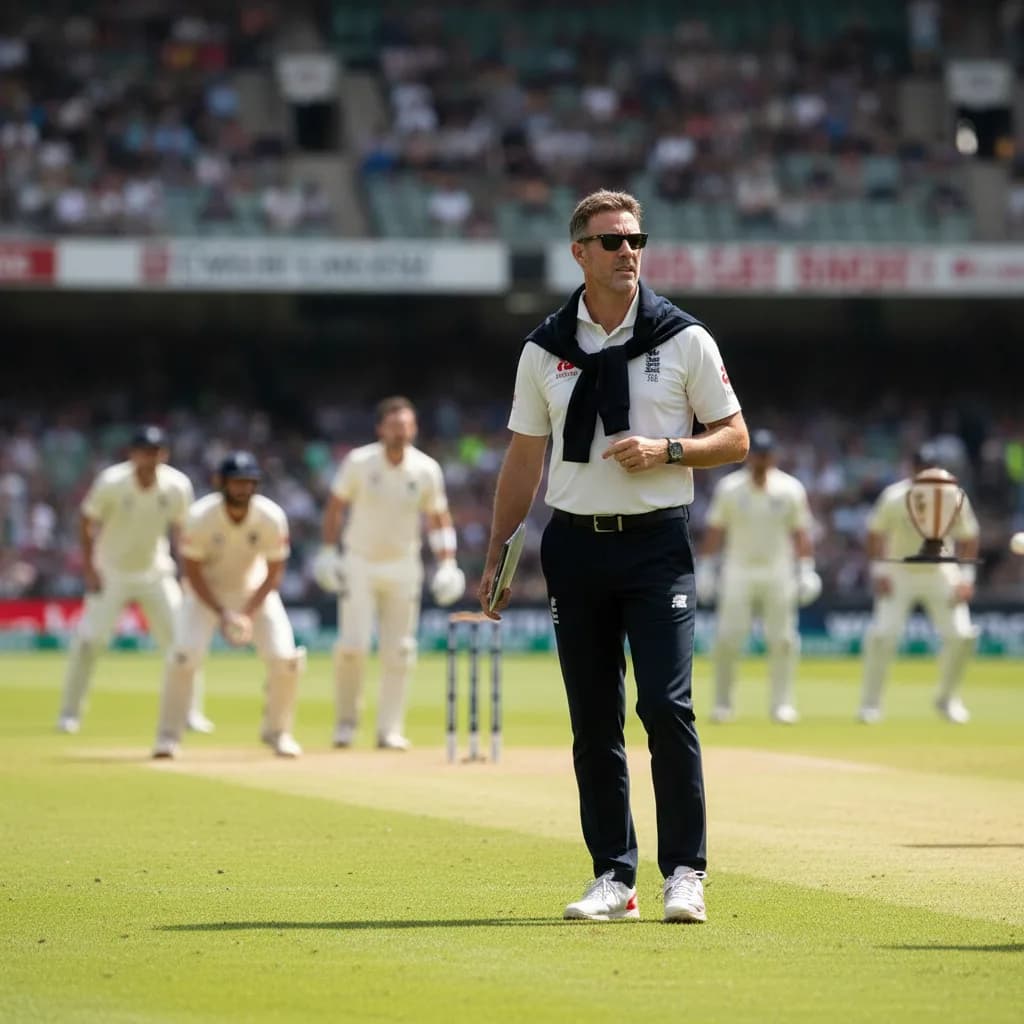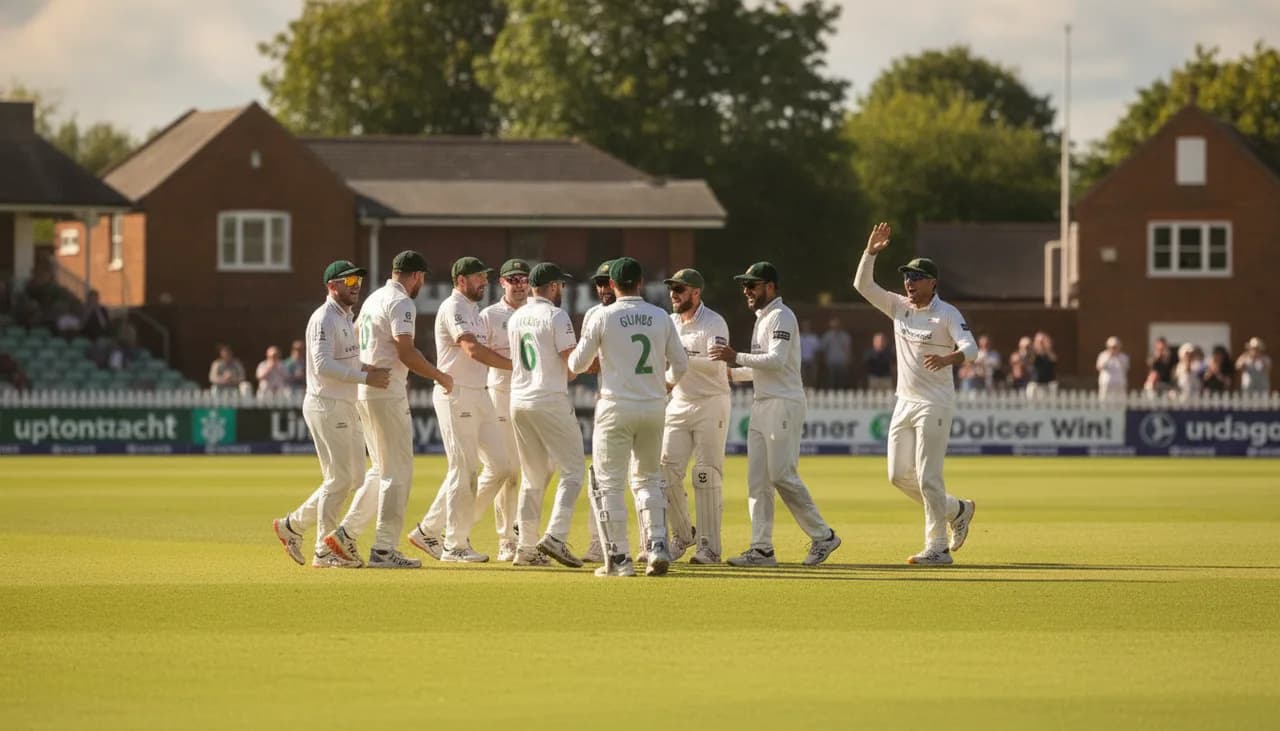
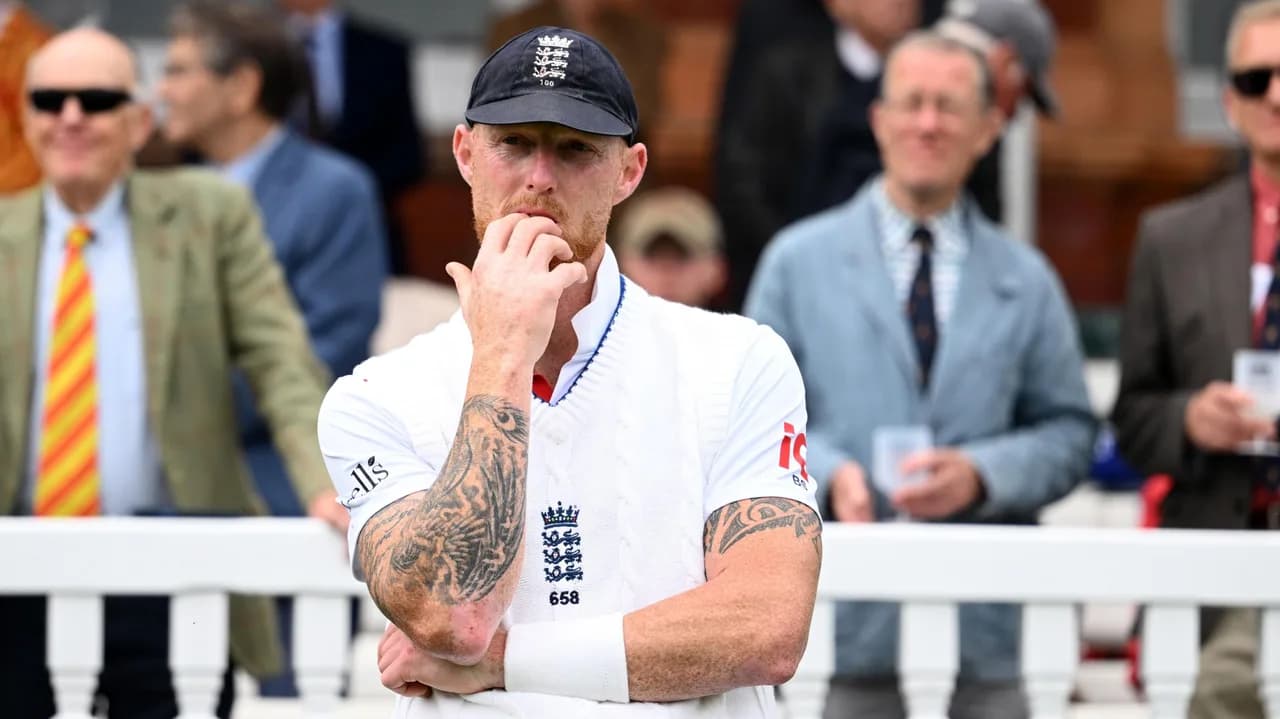
LONDON — England’s revolutionary 'Bazball' approach to Test cricket, characterized by aggressive batting, fearless declarations, and a 'no-draws' mentality, faces its sternest examination yet as the team prepares for a high-stakes series against India. Assistant coach Marcus Trescothick has hinted that flexibility might be required, suggesting the philosophy could adapt to the toughest conditions.
Since Brendon McCullum took over as head coach in 2022, England have transformed their Test fortunes with an ultra-attacking brand of cricket. Under his leadership, and that of captain Ben Stokes, the team has won 13 of their last 18 Tests, playing with an unprecedented tempo. However, critics argue that the strategy has yet to be tested against the world’s best teams in their own backyards.
India, unbeaten in a home Test series since 2012, presents the ultimate challenge. Their spin-heavy attack, combined with turning pitches, has humbled even the most accomplished batting line-ups. Trescothick acknowledged the need for pragmatism, stating, "There might be moments where we have to rein it in slightly. It’s about finding the balance between aggression and playing the situation."
The Bazball Blueprint
The 'Bazball' philosophy is built on several core principles:
- Fearless batting: England’s batters are encouraged to attack from ball one, with a focus on scoring rates above 4.5 runs per over.
- Proactive declarations: Stokes has repeatedly set bold targets, backing his bowlers to take 20 wickets.
- No draws: The team prioritizes winning over survival, even at the risk of defeat.
India’s Spin Challenge
India’s dominance at home is built on their mastery of spin. Ravichandran Ashwin and Ravindra Jadeja have taken a combined 500+ wickets in India, exploiting turning tracks that often deteriorate rapidly. England’s batters, traditionally vulnerable against quality spin, will need to adapt quickly.
Former England captain Michael Vaughan warned, "If England try to play the same way against Ashwin and Jadeja on Day 3 or 4 pitches, they could be bowled out for 150 every time. They’ll need to be smarter." Trescothick echoed this, admitting, "We know we can’t just swing from the hip every ball. There’s a time to attack and a time to absorb pressure."
Key Battles to Watch
- Joe Root vs. Ashwin: Root, England’s best player of spin, averages 50+ in India but has fallen to Ashwin eight times in Tests.
- Bazball openers vs. New-ball spin: India may open with spin, testing England’s aggressive openers early.
- Stokes’ fitness: The captain’s knee issues could limit his bowling, putting more pressure on England’s spinners.
Room for Maneuver?
Trescothick’s comments suggest England may temper their aggression if conditions demand it. "We’re not stubborn. If the pitch is a minefield, we won’t just charge in blindly," he said. This hints at a possible shift from the all-out attack seen against Australia and South Africa.
Former India spinner Harbhajan Singh believes England’s approach could backfire: "If they try to hit every ball, they’ll lose 5-0. You need patience in India." However, McCullum has previously dismissed such concerns, insisting his team will "double down" on their style.
The Verdict
This series will define Bazball’s legacy. If England succeed, it could revolutionize Test cricket globally. If they fail, critics will label it a reckless gamble. As Trescothick put it, "This is the biggest test of our resolve. We’ll find out if our method works against the best."
The first Test begins in Hyderabad on January 25, with all eyes on whether England’s bold philosophy can conquer cricket’s final frontier. As Stokes said recently, "We didn’t come here to draw. We came here to win." The next five weeks will reveal if that ambition is realistic—or reckless.