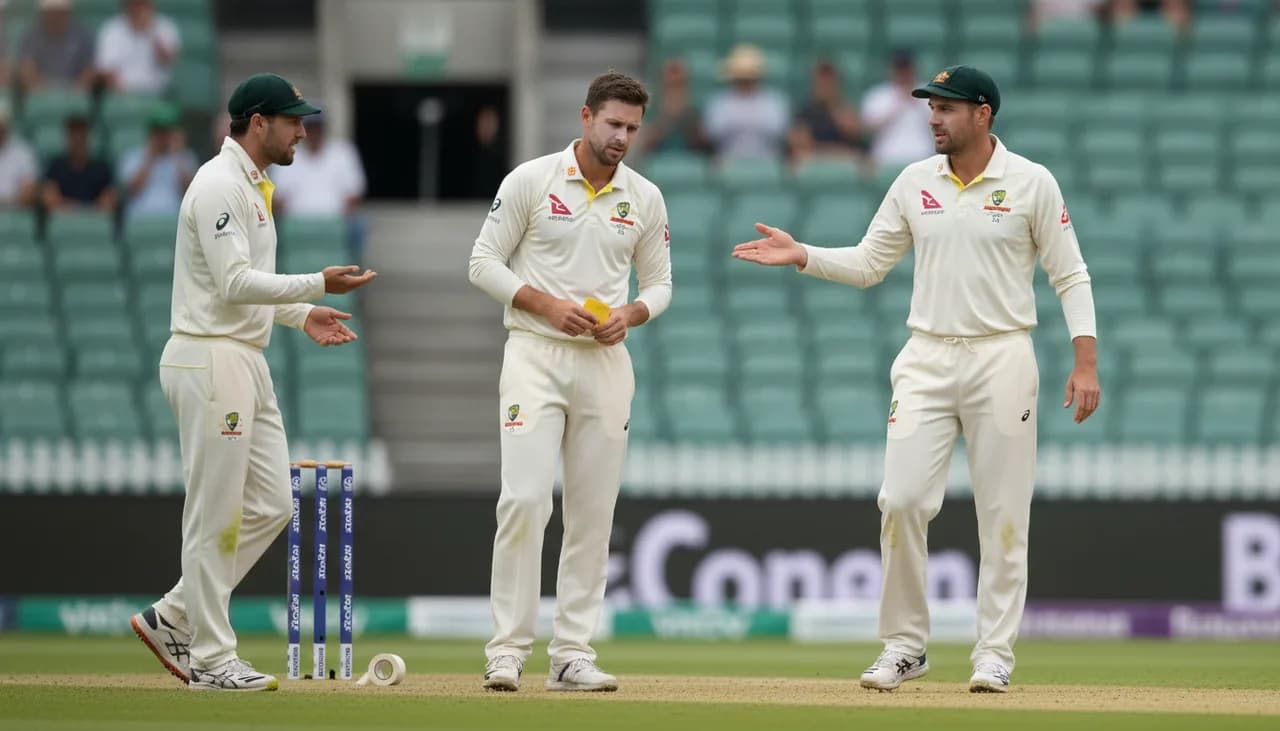
LONDON — Former England wicketkeeper Matt Prior has called for a "much bigger conversation" around cricket's entrenched drinking culture, warning that the sport must modernize its attitudes to protect player welfare and performance in an increasingly professional era.
A Culture Forged in the Dressing Room
Prior, who played 79 Tests for England between 2007 and 2014, spoke candidly about the expectations and pressures he faced as a young player breaking into the national side. He described an environment where bonding was synonymous with drinking, and participation was often seen as a non-negotiable rite of passage. "When I came into the England side, that was part of the culture," Prior explained in a recent interview. "You had to go and have a beer with the boys. If you didn't, you were seen as not buying into the team ethos, and that could count against you."
This culture, he argues, was a hangover from a bygone amateur era that has persisted despite the sport's transformation into a high-stakes, year-round profession. The physical and mental demands on modern cricketers are immense, with packed schedules featuring multiple formats, global franchise tournaments, and relentless travel. Prior contends that the traditional "work hard, play hard" mentality is now fundamentally at odds with the requirements for sustained elite performance and longevity.
The Performance and Welfare Toll
The impact of this culture extends beyond a simple hangover. Prior highlighted the direct consequences on physical recovery, decision-making, and mental health. "You're talking about fine margins at the top level," he said. "If you're not recovering properly because you've been out drinking, or if your decision-making is clouded, it will affect your performance. Full stop." He also pointed to the insidious pressure on players who, for personal, religious, or performance reasons, choose not to drink.
These individuals can find themselves isolated or unfairly labelled, creating a divisive team dynamic rather than a cohesive one. The potential welfare issues are significant, with alcohol often used as a default coping mechanism for the intense pressures of international sport, potentially masking underlying issues like anxiety, depression, or burnout.
Key Areas of Concern Identified by Prior:
• Recovery & Performance: Alcohol severely hampers sleep quality, hydration, and muscle repair, directly undermining athletic preparation.
• Team Dynamics: Making social inclusion dependent on drinking excludes non-drinkers and creates a potentially toxic "in-group."
• Mental Health: Reliance on alcohol can prevent players from developing healthier coping strategies and seeking proper support.
• Professional Standards: The culture conflicts with the nutrition, fitness, and lifestyle standards expected of modern athletes.
Broader Context and a Changing Landscape
Prior's intervention comes amid a wider, if gradual, shift in sporting attitudes. Other sports, notably professional football and rugby, have publicly grappled with similar cultural issues, with many top clubs now employing strict alcohol policies and prioritizing scientific recovery. In cricket, the issue has been brought into sharper focus by several factors:
The increased scrutiny from the professionalization of domestic leagues like The Hundred, where franchises are highly protective of their investments. The findings of the 2022 Independent Commission for Equity in Cricket (ICEC) report, which highlighted aspects of a "drinking culture" within the game. A growing awareness of mental health, championed by players like Prior's former teammate Steve Harmison and more recently by figures like England's Ollie Robinson, who has spoken about using alcohol to cope with stress.
"We're in a different world now," Prior stated. "Sports science has advanced incredibly. We know how to optimize the body and mind for performance. Holding onto a culture that actively works against that science just doesn't make sense anymore."
A Call for Leadership and Conversation
For change to happen, Prior insists it must be driven from the top. He calls on national governing bodies like the England and Wales Cricket Board (ECB), county coaches, and team captains to proactively redefine team bonding and leadership. This involves creating inclusive social environments that don't revolve around alcohol, educating players on the true performance costs, and ensuring support systems are in place for those who choose a different path.
"This isn't about banning beer or being puritanical," he clarified. "It's about choice, professionalism, and welfare. It's about asking: what is best for the team's performance and for the individual as a person? That conversation needs to be had openly, without stigma, from the academy level right up to the international dressing room."
The ultimate goal, Prior concludes, is a cultural evolution where a player's commitment is measured by their professionalism and contribution on the field, not by their consumption off it. He believes cricket has an opportunity to lead on this issue, fostering an environment that produces not only better cricketers but also healthier, more resilient individuals. "The game has changed in every other way," he said. "It's time the social culture caught up. This is a conversation whose time has come."