A Knock That Could Define a Career
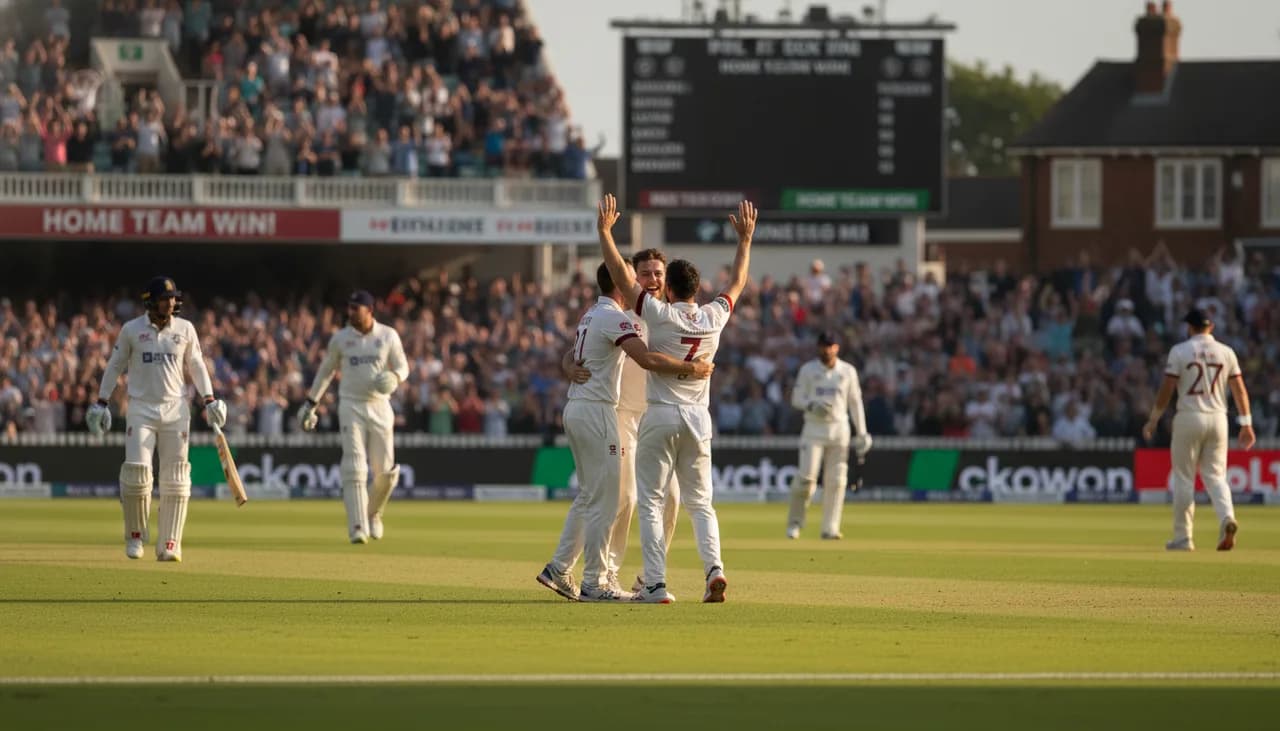
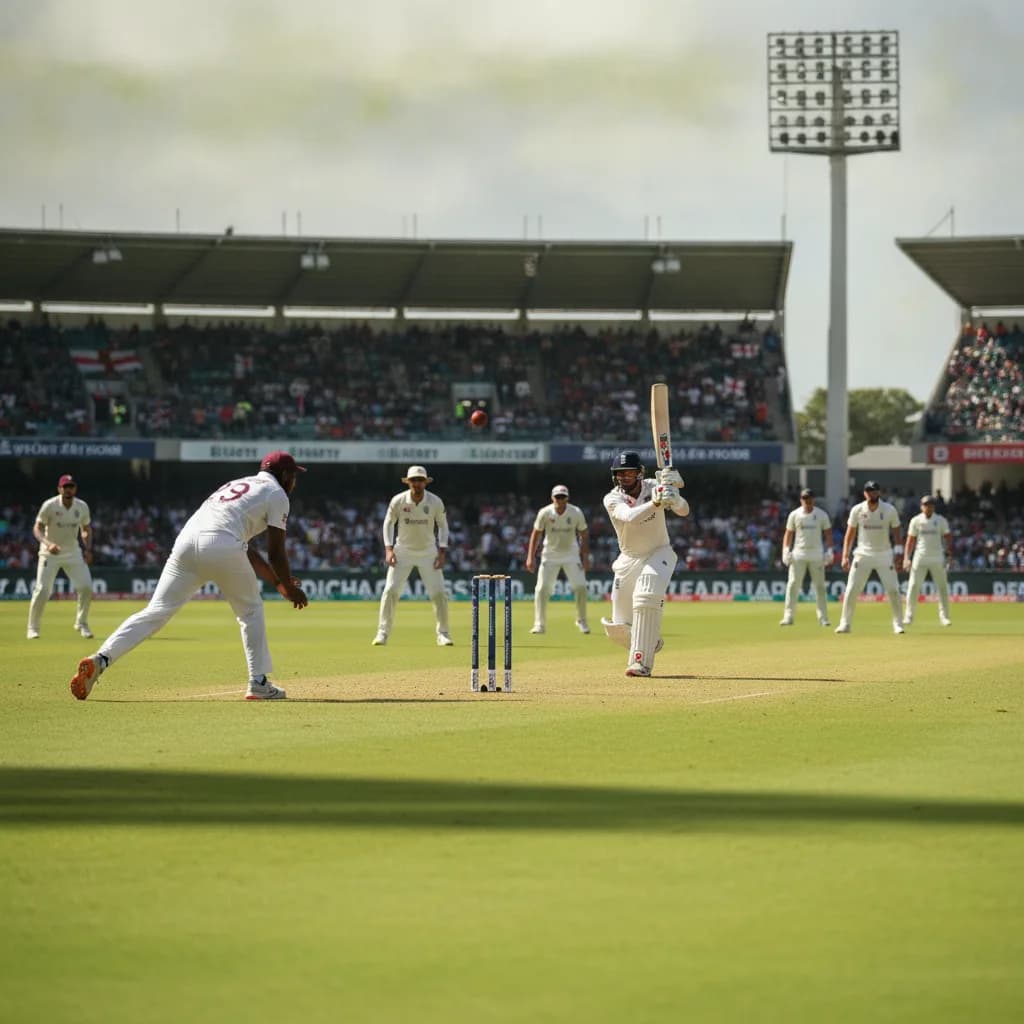
There are innings that entertain, and then there are innings that matter. Harry Brook's 91 off 93 balls on day two of the first Test against Pakistan at Headingley felt like the latter. Composed, commanding, and free of the recklessness that has plagued him at times in recent years, this was Brook at his very best — the version England have always hoped would become the norm rather than the exception.
BBC cricket correspondent Jonathan Agnew, never one to hand out compliments cheaply, was moved to place Brook in genuinely elite company. In Agnew's view, Brook possesses the kind of natural ability that puts him alongside Kevin Pietersen and David Gower — two of the most gifted England batters of the modern era. That is extraordinary praise, and on the evidence of his Headingley display, it is not difficult to see why Agnew feels that way.
The Blueprint Brook Must Follow
What made this knock so significant was not just the runs, but the manner in which they were accumulated. Gone were the wild, reaching drives and the impulsive charges down the wicket that cost him so dearly during England's Ashes campaign in Australia last winter. Whether it was getting caught driving at Scott Boland in Perth or flashing at Mitchell Starc in Brisbane, those dismissals hinted at a batter who had not yet learned to manage his own brilliance.
This time, Brook kept his head. He was dropped on one, but rather than letting that moment of fortune unsettle him, he simply refocused and punished anything off-length with clinical efficiency. As Agnew put it, if Brook consistently bats this way, the runs will come in extraordinary quantities. From a coaching perspective, that assessment is spot on — Brook's challenge has never been about technique. It has always been about discipline and decision-making under pressure.
The Captaincy Question
The timing of this innings is fascinating. Brook had been in serious contention to succeed as Test captain, with managing director Rob Key and others at the ECB giving him genuine consideration before ultimately deciding he was not quite ready for the role. Whether that decision stung Brook into a response on the field, only he can say — but the correlation is hard to ignore.
Agnew is clear in his view: Brook is not yet equipped to carry the burden of captaincy alongside his batting responsibilities. Leading a Test side requires a particular kind of emotional intelligence and strategic maturity, and those qualities typically develop over time. Denying Brook the captaincy now may well prove to be the decision that allows him to flourish as a batter first — and perhaps as a leader later. For the bookmakers tracking England's Test series odds against Pakistan, Brook's form in this mould will already be shifting the market in the tourists' favour.
The Rare Talent England Cannot Afford to Waste
Brook is 25 years old with 38 Tests already behind him, including a stunning triple century against Pakistan in Multan that reminded the world what he is capable of. The highs have been spectacular; the lows, equally visible. What Headingley suggested is that Brook may finally be learning to live with his own talent rather than being overwhelmed by it.
England have produced wonderful batters over the decades, but genuinely world-class ones come along rarely. If Harry Brook can make this disciplined, authoritative style of play his default setting, the comparisons with Gower and Pietersen will not seem remotely far-fetched. The blueprint exists. Now it is up to Brook to follow it.