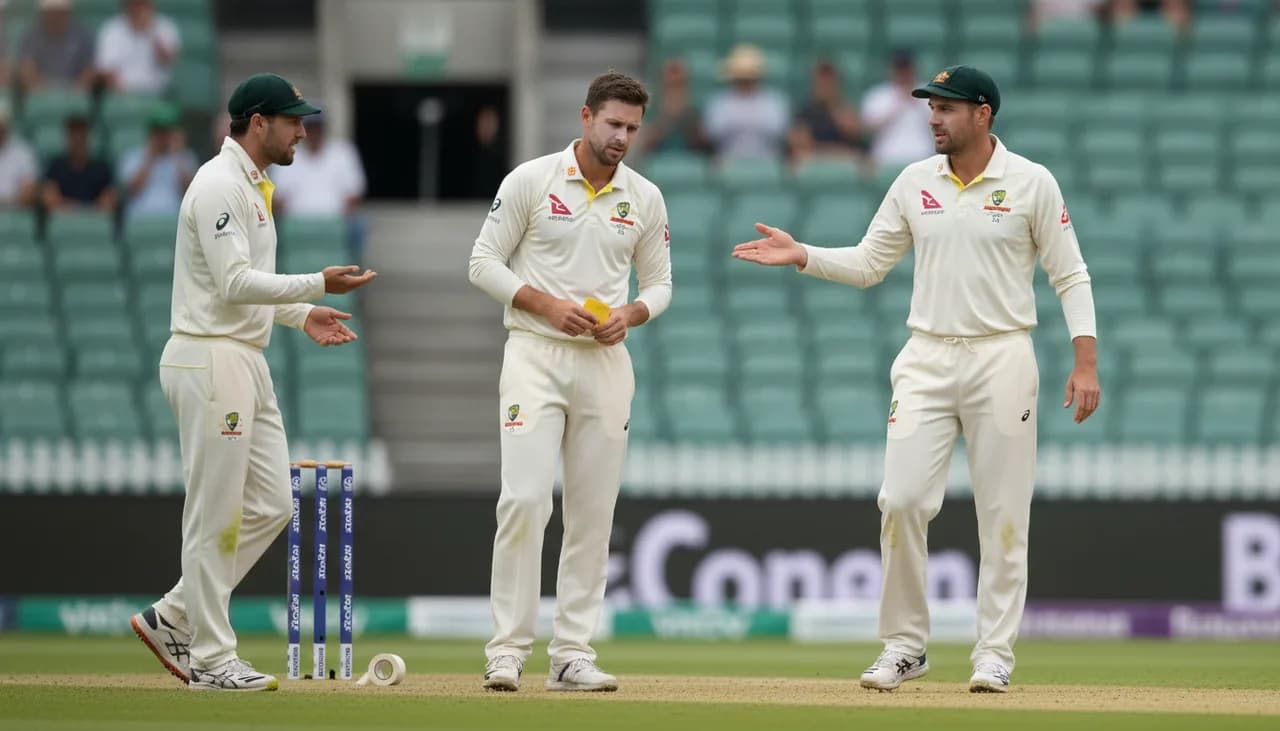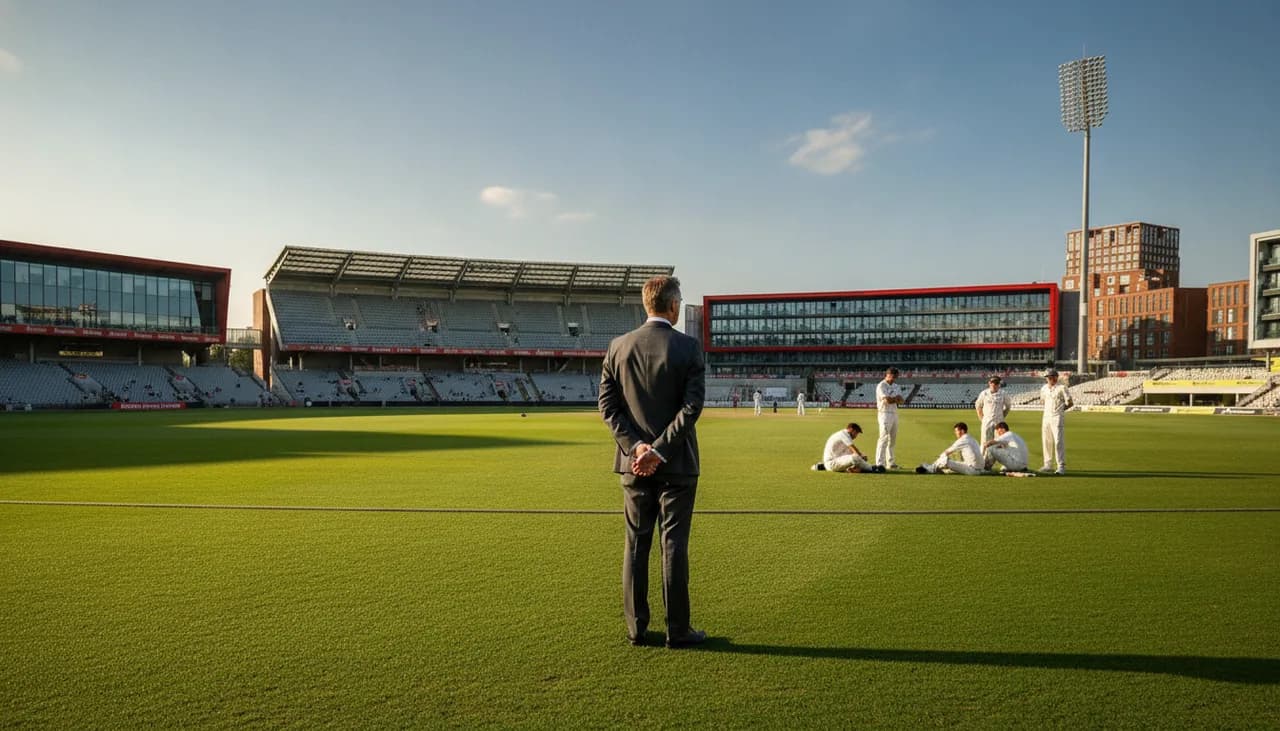
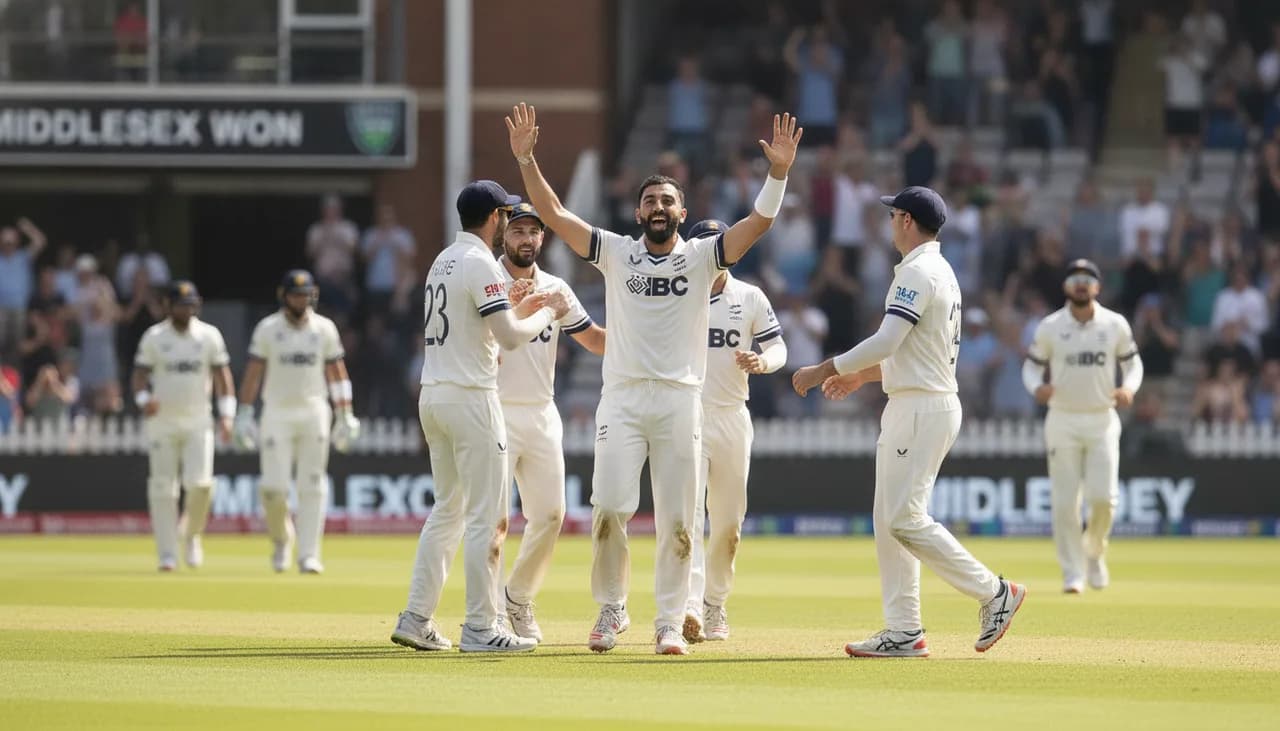
LONDON — The narrative of Ben Stokes’s body, its resilience and its limits, has been a central theme of his storied career. On a tense, rain-interrupted third day of the fourth Ashes Test at Old Trafford, that story took another compelling turn. England’s captain, who has bowled just 29 overs across the entire series, did not send down a single delivery despite Australia’s batters building a formidable first-innings total. The sight of Stokes, the talismanic all-rounder, spectating from the slips prompted immediate questions about his fitness and England’s tactical calculations in a must-win match.
England’s assistant coach, Jeetan Patel, moved swiftly to address the speculation in the post-day press conference. His explanation was a masterclass in managing expectations, blending honesty with reassurance. Patel confirmed that Stokes was physically capable of bowling but was being managed with extreme caution due to the cumulative toll of the series. "He’s fit to bowl," Patel stated unequivocally. "But what we’ve got to understand is that he’s knackered." This frank admission cut to the heart of England’s dilemma: balancing the immediate, desperate need for wickets with the long-term preservation of their captain’s knee.
The Burden of Leadership and a Battling Body
Stokes’s chronic left-knee issue is well-documented. He underwent surgery in late 2021 and has managed the condition through a rigorous regime of physiotherapy and selective participation. His heroic, series-defining spells in the 2019 Ashes and the 2023 summer seem increasingly like feats from a bygone era. Since his return from a mental health break and the knee procedure, his bowling workload has been meticulously curated. The 2023 home summer saw him bowl only in short, explosive bursts, and he arrived for this Ashes series having not bowled competitively since early July.
The physical demands of Test captaincy, especially in a series as high-octane and emotionally draining as the Ashes, are immense. Patel painted a vivid picture of the unseen exertion: "He’s put in a huge amount of work in the last couple of weeks, just getting himself to where he is now. The amount of work he does off the field to get himself on the park is phenomenal." This work includes hours of strengthening, icing, and treatment just to be able to field and bat, let alone bowl at full tilt. The decision to withhold him from the attack, therefore, was not one of incapacity, but of strategic preservation.
A Tactical Gamble on Manchester’s Weather
England’s position in the match and the series added layers to the decision. Trailing 2-1, only a victory in Manchester will keep their Ashes hopes alive. After declaring at 592, they needed to bowl Australia out twice, with a significant chunk of time already lost to rain on days one and three. The forecast for days four and five remains ominously poor. In this context, every resource must be allocated with precision. Using Stokes as a bowler carries a dual risk:
- Exacerbating his injury: A long spell could compromise his ability to bat decisively in the second innings or lead in the final Test at The Oval.
- Diminishing his effectiveness: A "knackered" Stokes bowling within himself may not provide the wicket-taking threat England desperately needs.
Patel suggested the plan was always to use Stokes as a shock weapon, a partnership-breaker, rather than a workhorse. "He’ll bowl when he’s ready to bowl, and when he thinks it’s time for him to bowl," the coach said, indicating the decision rests entirely with the captain. The implication was clear: Stokes was being saved for a critical moment, perhaps a fresh burst with the second new ball or a short, fiery spell against a set batter. With Australia 317 runs behind and only five wickets down, that moment had not yet arrived.
The Balancing Act: Stokes the Batter vs. Stokes the Bowler
This careful management underscores a fundamental shift in Stokes’s value to the team. While his bowling remains a potent option, his primary weapon is now his bat and his tactical brain. His stunning 155 in the second Test at Lord’s, nearly pulling off an impossible run-chase single-handedly, proved his batting is at its peak. Compromising that for a handful of overs is a trade-off England’s think tank, led by coach Brendon McCullum, seems unwilling to make. Patel reinforced this, stating, "We’ve got to make sure we look after him because he’s a human being, and we’ve got to make sure we can get the most out of him when we need him."
The Australian Perspective and the Run Rate
From an Australian viewpoint, Stokes’s absence from the attack was a significant relief. It allowed their lower middle order of Cameron Green and Mitchell Marsh to build a partnership against a tired bowling unit. England’s other seamers—James Anderson, Stuart Broad, Chris Woakes, and Mark Wood—had to carry the load on a pitch offering less assistance than anticipated. The lack of a fifth bowling option, especially one of Stokes’s calibre, allowed Australia to score at a healthy rate, eating into England’s lead and precious time. Every run scored and minute batted made a weather-affected draw—which would see Australia retain the Ashes—a more likely outcome.
The public and pundit reaction has been mixed. Some former players have expressed frustration, arguing that in a must-win Ashes Test, your best players must be risked. Others support the cautious approach, recognizing that a fully functioning Stokes is essential not just for this match, but for the future of the Test team. The debate hinges on a classic sporting conflict: short-term sacrifice for long-term gain versus seizing the moment at all costs.
Conclusion: A Captain Saving Himself for the Climax
As stumps were drawn on day three with Australia 113 runs behind and five wickets in hand, the equation was clear. England need quick wickets on day four to have any chance of forcing a result before the rain returns. All eyes will be on Ben Stokes. Will the "knackered" captain finally take the ball, summoning one more monumental effort from his weary body? Jeetan Patel’s comments leave the door firmly open: "He’s an amazing cricketer, and he’ll do what he needs to do for this team to get a result."
The story of Stokes’s knee is now inextricably linked to the story of the 2023 Ashes. His calculated absence from the bowling crease on day three was a high-stakes gamble, a bet placed on his body holding up for a decisive intervention later. Whether this decision is seen as prudent management or a missed opportunity will be determined entirely by the events of the next two days and the Manchester weather. For now, England’s hopes rest on a captain who is "fit to bowl," but wisely choosing his moment, preserving his final bullets for the battle that could define his legacy and reclaim the urn.