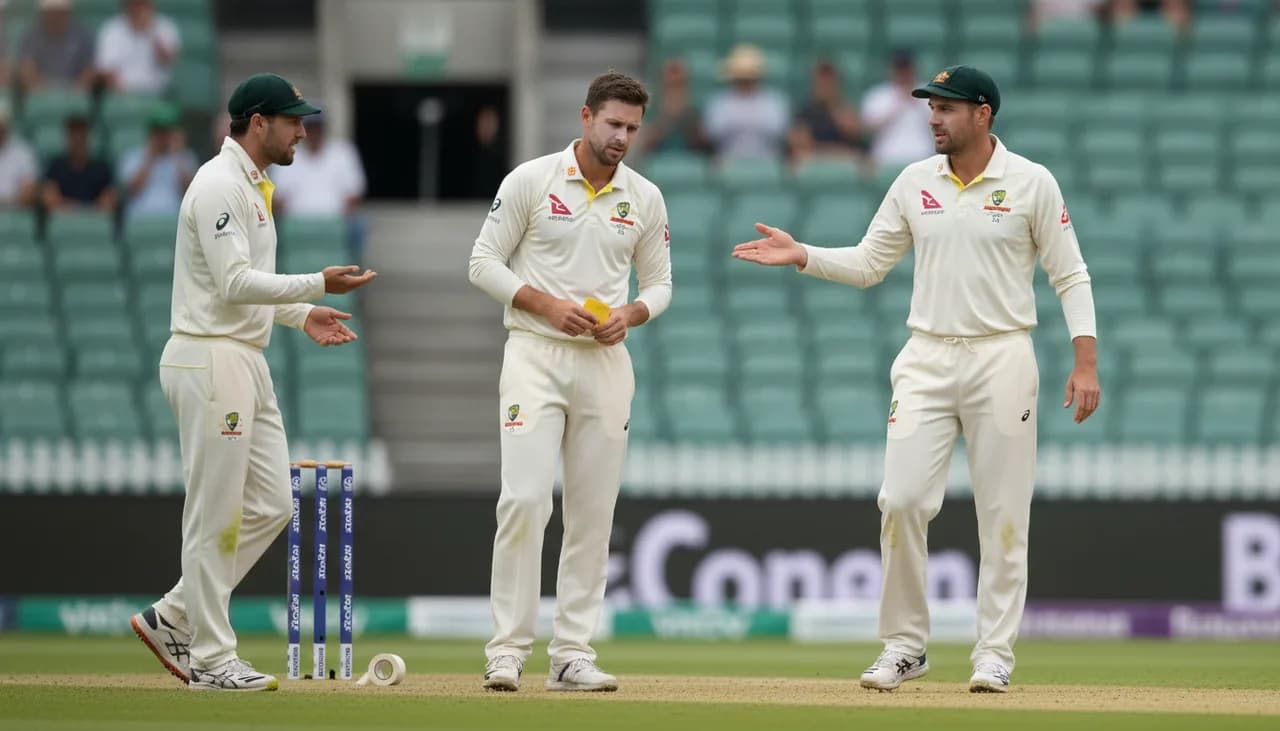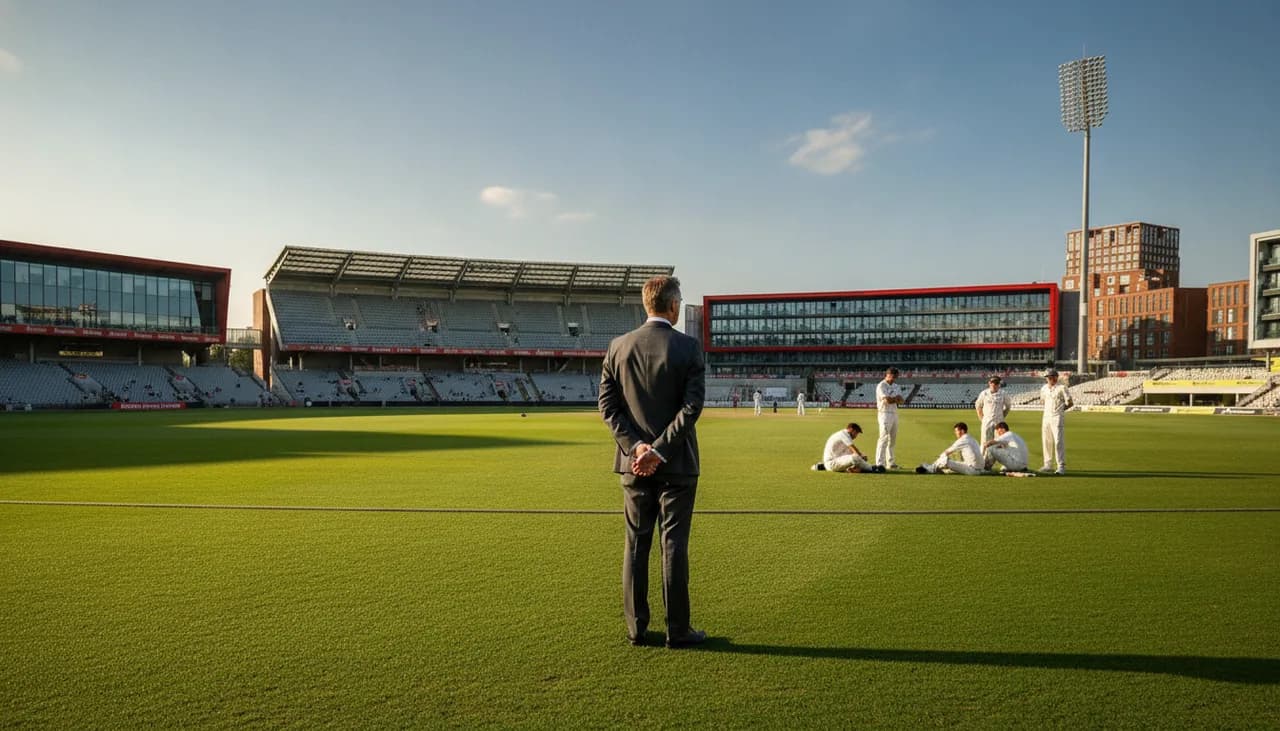

LONDON — A proposed major revamp of the County Championship, English cricket’s historic first-class competition, is facing significant delays and could potentially be shelved entirely, with any changes now unlikely to be implemented before the 2027 season.
The England and Wales Cricket Board (ECB) had been actively exploring a new structure for the domestic red-ball game, with high-performance review recommendations suggesting a six-team top division. However, deep-seated concerns from counties about the financial and sporting implications have brought the process to a near standstill.
The High-Performance Review Proposals
The initial push for change stemmed from the 2022 High-Performance Review, chaired by former England captain Sir Andrew Strauss. Its primary recommendation was to create a more competitive and elite County Championship by reducing the top division from ten to just six teams, effectively creating a Premier League for red-ball cricket.
The rationale was clear: to concentrate the best players and produce a higher standard of cricket that would better prepare England's Test stars for international combat. The review argued that the current two-division, 18-county system lacked the intensity required to bridge the gap between county and Test cricket.
Mounting Opposition and Concerns
Despite the performance-based arguments, the proposed model has met with fierce resistance from a majority of the first-class counties. The core concerns are multifaceted and deeply impactful, making consensus incredibly difficult to achieve.
Key points of contention include:
- Financial Sustainability: For counties facing the prospect of relegation to a lower, second division, the potential loss of central ECB funding and matchday revenue is a terrifying prospect. Many argue it could threaten their very existence.
- Player Pathway Disruption: Critics worry that a smaller top flight would drastically reduce opportunities for young English-qualified players to compete at the highest domestic level, potentially stunting their development.
- Tradition and Identity: The County Championship is a 130-year-old institution. Many clubs and their supporters are deeply opposed to a model that they feel creates a permanent elite and diminishes the historic nature of the competition.
One county chief executive, speaking anonymously to the Press Association, summarized the mood: "The momentum for the six-six model has completely evaporated. The financial risks are too great, and the projected benefits for the England team are seen as speculative at best. The status quo, while not perfect, is a safer bet for most clubs."
The Logistical and Political Gridlock
Even if a consensus could be found, the timeline for implementing such a radical change is now considered impossibly tight for the 2025 season. The domestic schedule must be finalized well in advance, and with no agreement in sight, the ECB is forced to consider rolling over the current structure for another year.
Furthermore, any fundamental change to the county structure requires a two-thirds majority vote from the 18 first-class counties and the MCC. Given the current level of opposition, securing the necessary 13 votes for the six-six model is viewed as politically unfeasible.
Richard Thompson, the ECB chair, has previously acknowledged the challenges. He stated, "We have to be realistic. This is a complex issue with strong feelings on all sides. Our priority is to ensure any change is sustainable and has broad support, rather than being rushed through and causing division."
Alternative Models and the 2027 Horizon
With the premier league model on life support, attention is turning to alternative, less radical proposals. These include maintaining the two-division structure but altering the number of matches played or tinkering with the points system to incentivize attacking cricket.
However, the most likely outcome is a significant delay. The next available window for major structural change would be at the end of the next ECB broadcast deal cycle, which concludes after the 2027 season. This would allow for a complete re-imagining of the domestic calendar alongside new television rights negotiations.
This push to 2027 effectively shelves the debate for the foreseeable future. As one well-placed source within the ECB told The Cricketer: "It’s on ice. The will to force through a change that so many counties are uncomfortable with just isn’t there. The focus now is on making the existing system work as well as it possibly can."
The Broader Context: Schedule and The Hundred
Complicating the entire debate is the crowded domestic calendar and the presence of The Hundred. The ECB remains heavily invested in its flagship white-ball tournament, which commands a prime slot in the middle of the summer, inevitably compressing the red-ball season.
Many traditionalists argue that the Championship's marginalization is a direct result of this scheduling squeeze, and that any genuine attempt to strengthen first-class cricket must address the primacy of The Hundred. This adds another layer of complexity to an already fraught political battle within the English game.
Conclusion: A Future in Limbo
The drive to reform the County Championship, born from a genuine desire to improve England’s Test fortunes, has hit a formidable wall of financial anxiety and traditionalism. The proposed top-tier of six teams appears to be a casualty of this conflict.
For now, English cricket is set to continue with its 18-county, two-division format. The question of whether this structure is fit for purpose in producing Test-ready players will remain open, but the answer, for the next few years at least, will not be a radical overhaul.
The Championship's evolution is now on a slow track, with 2027 earmarked as the next potential inflection point. Whether the political will for change can be regenerated by then, or if the status quo will become permanently entrenched, remains one of the biggest unanswered questions in the English game.