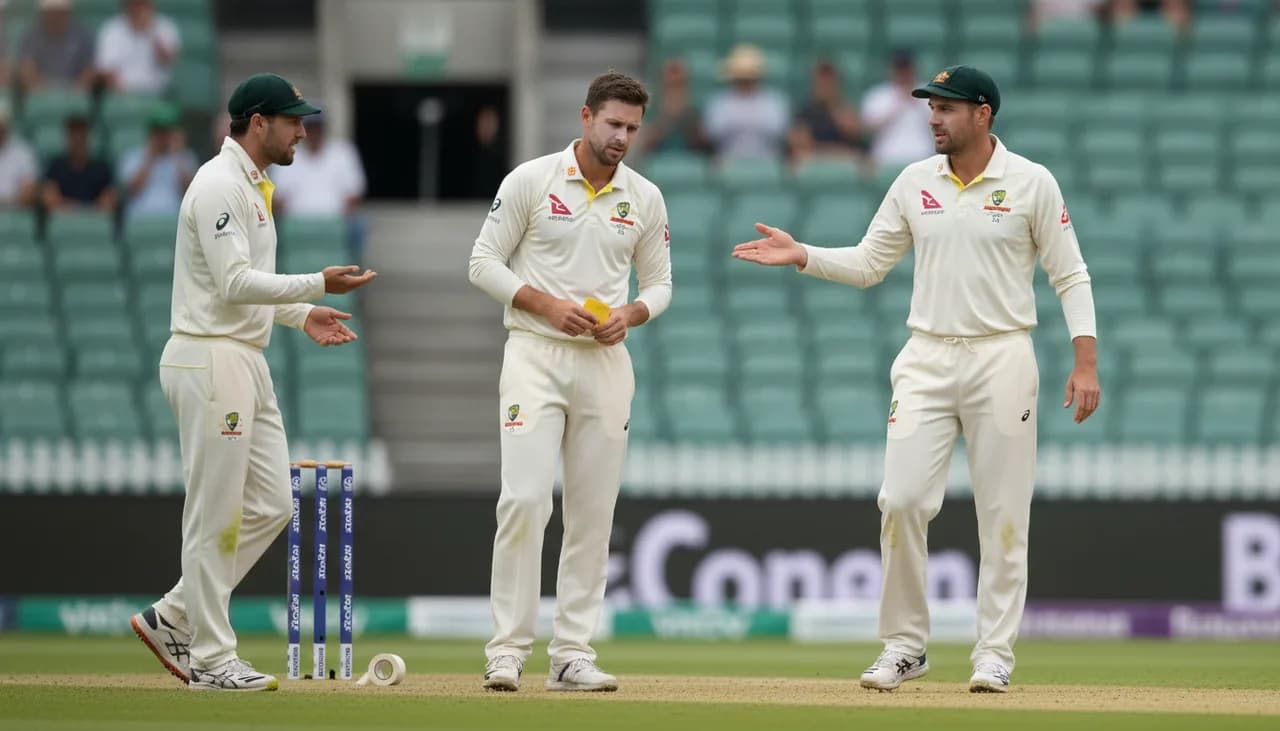
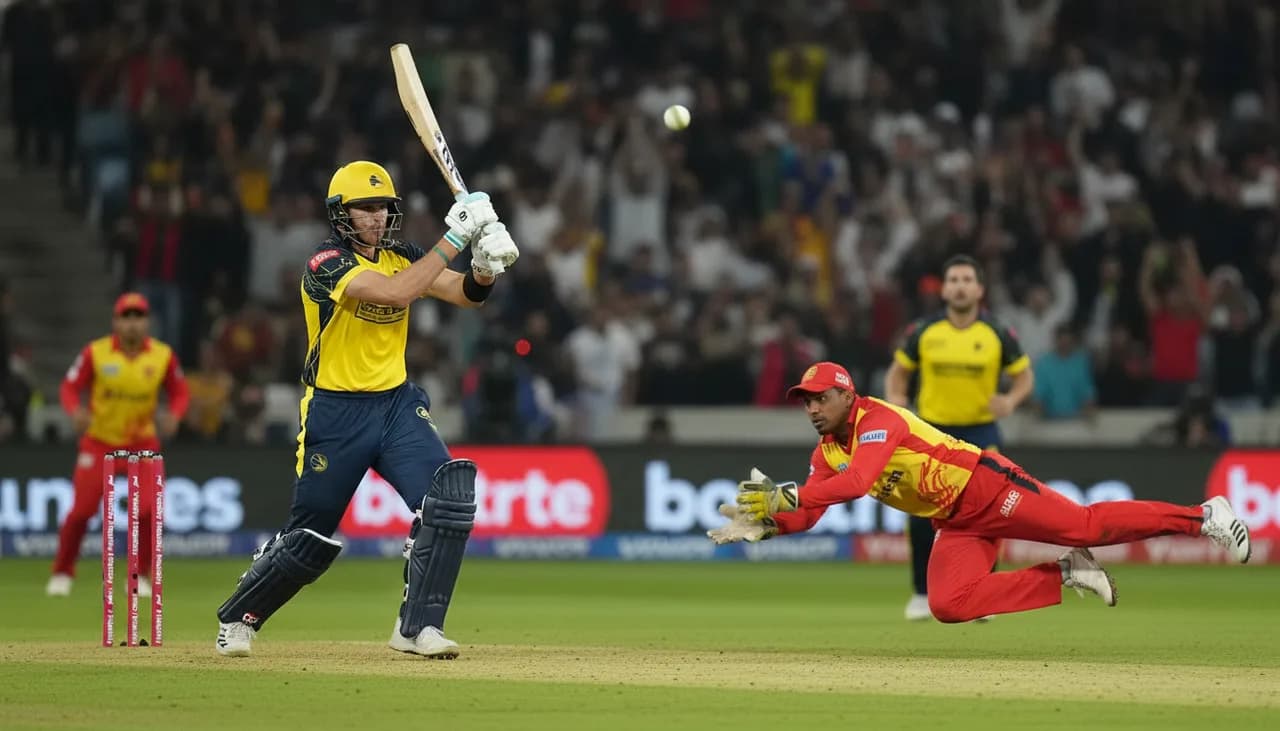
The England and Wales Cricket Board (ECB) has officially terminated the controversial trial of using the Kookaburra cricket ball in specific rounds of the County Championship, bringing an end to a two-year experiment that divided players, coaches, and pundits alike. The decision, confirmed ahead of the 2025 season, marks a significant U-turn and a victory for traditionalists who argued the move undermined the core skills of the English domestic game.
Introduced in the 2023 season, the trial saw the Australian-made Kookaburra ball replace the traditional English Dukes ball for two rounds of the Championship in both 2023 and 2024. The stated aim was to better prepare England's Test cricketers for overseas conditions, where the Kookaburra's pronounced lack of seam movement and tendency to go soft quickly presents a unique challenge, particularly on the flat, unresponsive pitches of Australia and Asia.
The Rationale Behind the Experiment
The ECB's high-performance department, led by Mo Bobat, who has since moved to Royal Challengers Bangalore, championed the initiative. The core argument was that English batters, so accustomed to the persistent lateral movement offered by the Dukes ball, were often found wanting when faced with the Kookaburra's resilience and the need to create their own scoring opportunities. As one ECB spokesperson explained at the trial's inception, "The objective is to challenge our players and broaden their skill sets."
The Kookaburra ball is renowned for its hard, pronounced seam which, unlike the Dukes, flattens out quickly after the initial 15-20 overs. This dramatically reduces conventional seam movement, placing a far greater emphasis on:
- Reverse swing, requiring immense skill from the bowlers
- Extreme pace or high-quality spin to take wickets
- Batters' patience and ability to score against older, softer balls
Proponents believed that exposing county players to these conditions would produce a more battle-hardened cohort of England players. However, the reality of the trial proved far more contentious and problematic than the theory.
A Wave of Criticism from the Shires
Almost from the first delivery bowled with the Kookaburra in 2023, a chorus of disapproval emerged from the county grounds. The primary criticisms were multifaceted and came from some of the most respected voices in the English game.
Unbalanced Contest Between Bat and Ball
The most frequent complaint was that the Kookaburra ball created excessively batter-friendly conditions, tilting the balance of the game too far. With the ball losing its potency so quickly, bowlers were left with few weapons, leading to mammoth scores and, at times, dreary, uncompetitive cricket. Former England captain and renowned pundit Sir Alastair Cook was particularly vocal, stating, "It de-skills our bowlers. They don't learn how to bowl with a Dukes ball that does a bit, which is the hardest ball to face as a batsman."
Bowlers, especially the plethora of skilled English seamers who rely on subtle movement, found themselves running into a brick wall. The art of holding a line and length, so effective with the Dukes, became a recipe for being milked for runs. Spinners, theoretically meant to benefit, often found themselves bowling with a soft, unresponsive ball on English pitches not yet worn enough to offer significant turn.
Negating Home-Grown Strengths
Many argued that the experiment was an attempt to fix a problem that didn't exist at the county level. The unique challenge of English conditions, with its cloud cover and green pitches, is what has historically produced a steady stream of world-class swing and seam bowlers. Critics contended that by removing the Dukes ball, the ECB was undermining the very essence of the County Championship's identity. One county director of cricket, who wished to remain anonymous, lamented, "We're trying to solve an Ashes problem by breaking our domestic system. It's a sledgehammer to crack a nut."
The data from the trial periods seemed to support the critics' claims. Analysis showed a noticeable increase in the average runs per wicket and a decrease in the percentage of wickets falling to seam movement during the Kookaburra rounds, effectively creating a different sport for those two matches.
The Final Straw and Official Scrapping
The 2024 season served as the final evaluation period, and the feedback from players and coaches was overwhelmingly negative. The ECB's cricket committee, which includes representatives from the counties and the Professional Cricketers' Association (PCA), reviewed the evidence and concluded the experiment had failed to achieve its aims while creating significant unintended consequences.
In an official statement, the ECB confirmed the trial's end: "After a full review of the two-year trial, it has been decided that the Kookaburra ball will not be used in the 2025 County Championship. We are constantly evaluating ways to improve our high-performance pathway, and we thank the counties and players for their feedback throughout this process. Our focus remains on ensuring the County Championship remains the best possible breeding ground for successful England Test players."
The decision has been met with widespread relief across the county circuit. The PCA released a statement welcoming the move, highlighting that player feedback had been "instrumental" in the decision and that the majority of its members believed the Dukes ball was "integral to the fabric of our first-class game."
Conclusion: A Return to Tradition
The scrapping of the Kookaburra trial represents a decisive return to tradition and a recognition that the County Championship's primary strength lies in its uniqueness. While the desire to improve England's overseas record is understandable, the method of diluting the domestic competition's character proved counterproductive.
The focus will now likely shift to other methods of preparing players for overseas tours, such as more England Lions tours on foreign soil, specialized training camps focusing on Kookaburra-ball techniques, and potentially mandating its use in specific, short-format competitions. For the 18 first-class counties, however, the news means a return to normality and the comforting, familiar sight of the Dukes ball darting around under leaden English skies—a sight that, for now, remains the true heartbeat of the English summer game.