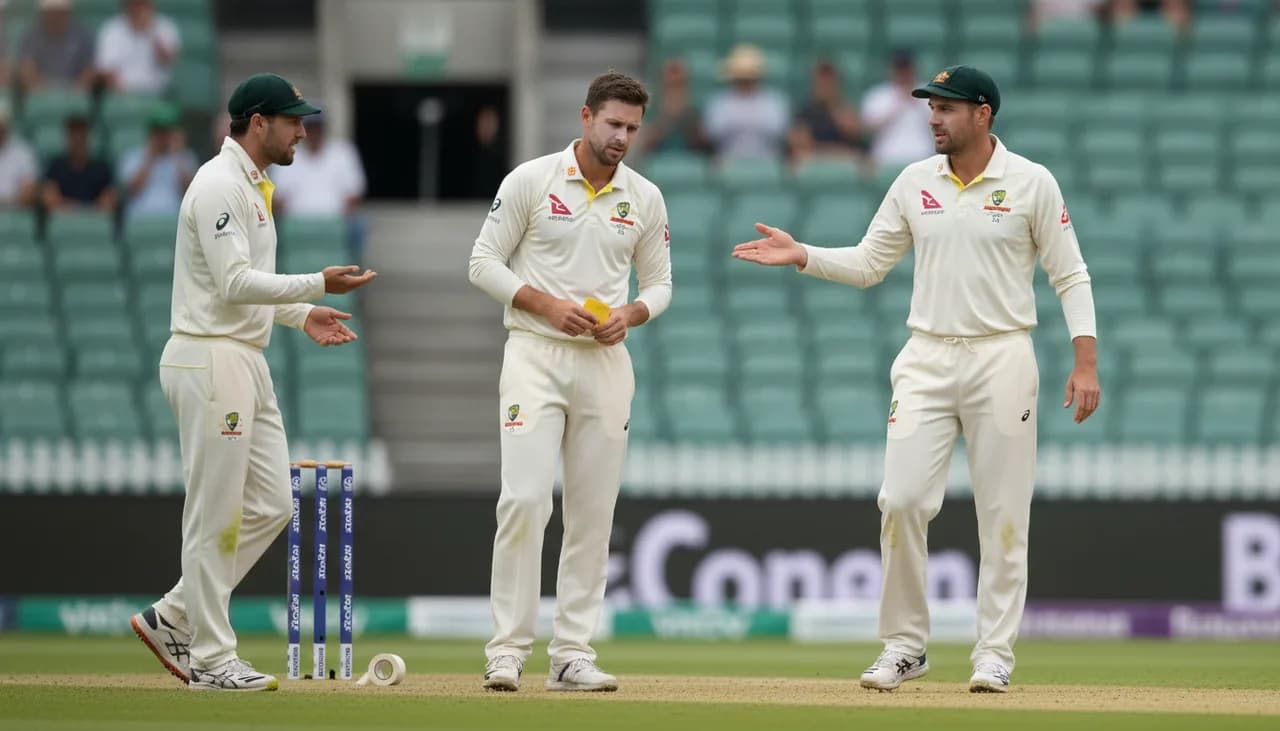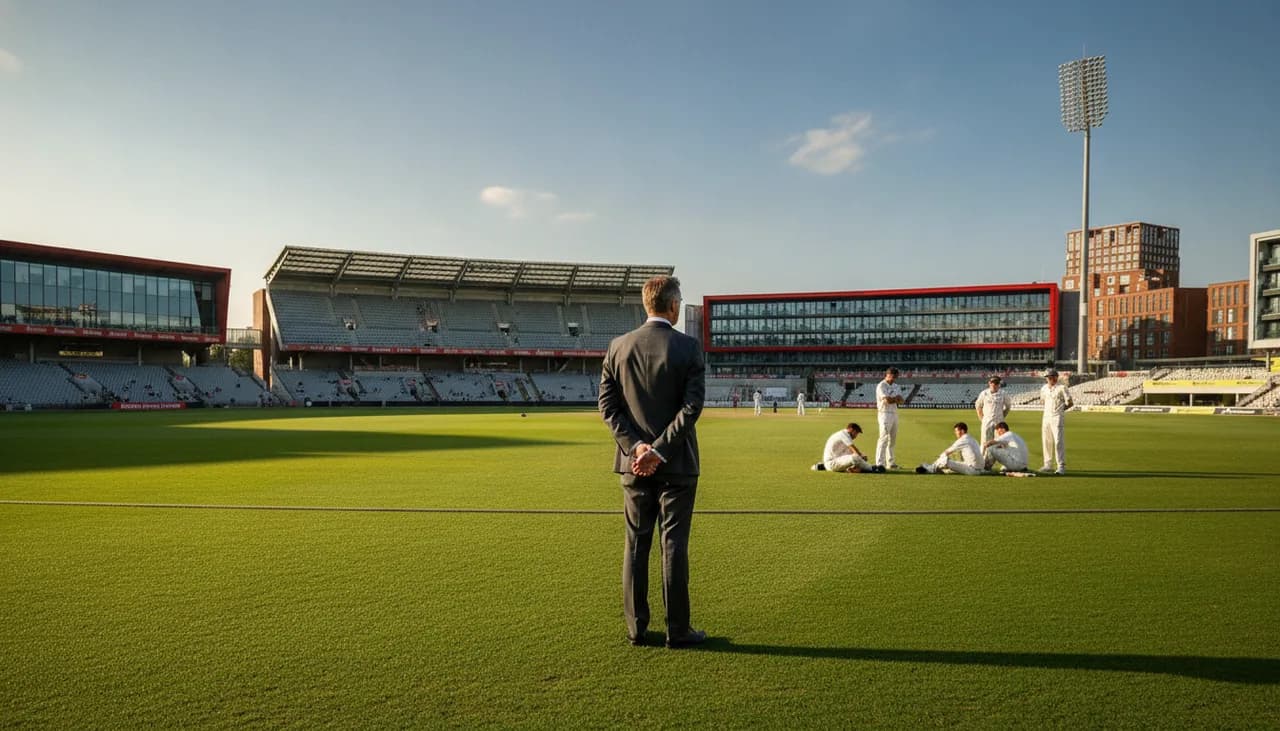
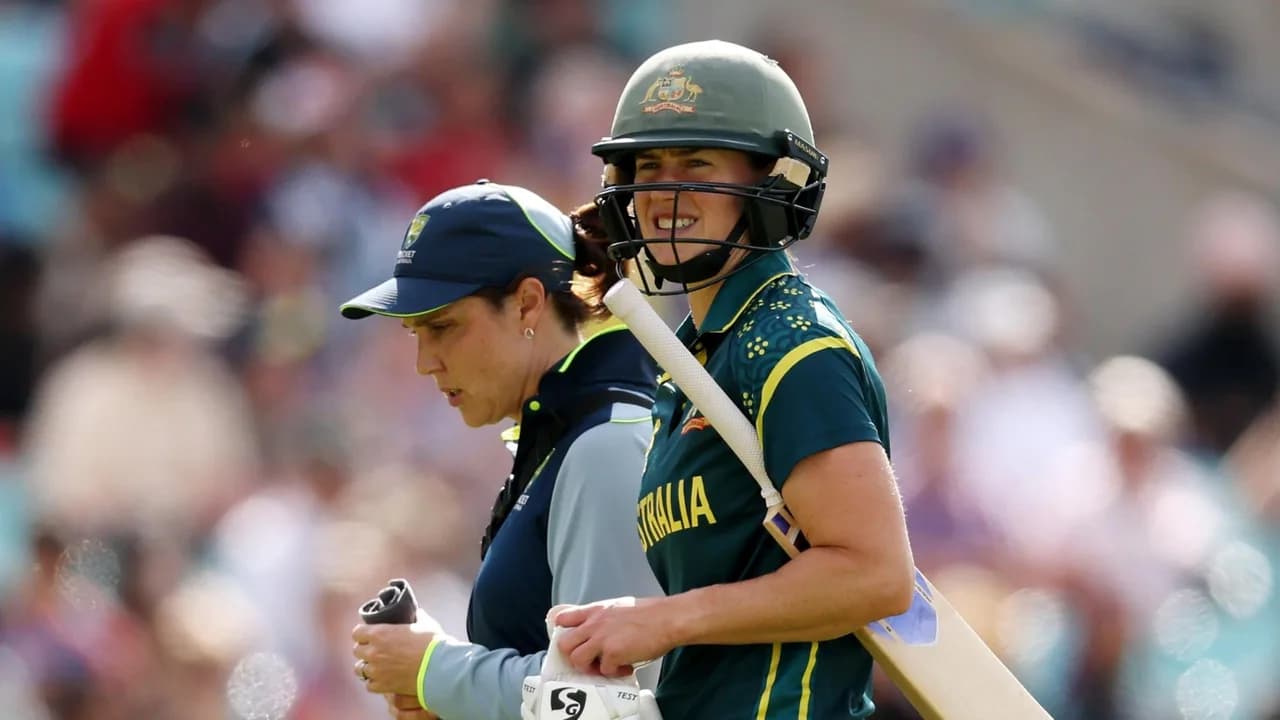
LONDON — First-class counties in England and Wales are set to receive their share of revenue from The Hundred’s commercial success, with payments beginning this Thursday. The distribution marks a significant milestone in the tournament’s financial model, designed to support grassroots cricket while maintaining the league’s elite status.
The England and Wales Cricket Board (ECB) confirmed the timeline, stating that funds generated from broadcasting deals, sponsorships, and ticket sales will be allocated to the 18 first-class counties, as well as the Marylebone Cricket Club (MCC) and the National Counties Cricket Association (NCCA). "This is a crucial step in ensuring the long-term sustainability of the domestic game," said an ECB spokesperson.
How The Hundred’s Revenue is Distributed
The Hundred, launched in 2021, operates under a revenue-sharing model where profits are funneled back into the domestic cricket ecosystem. The breakdown includes:
- 50% to first-class counties
- 20% to recreational cricket (via the NCCA)
- 15% to MCC for Lord’s Stadium upkeep
- 15% retained by the ECB for tournament operations
Counties will receive payments proportional to their historical contributions to English cricket, with larger shares going to traditional powerhouses like Surrey and Yorkshire. "This ensures fairness while rewarding legacy," explained a county finance director.
Impact on County Finances
The influx of funds comes at a critical time for counties, many of which have faced financial strain due to rising operational costs and reduced matchday revenues post-pandemic. Nottinghamshire CEO Lisa Pursehouse noted, "This injection will directly support player development, facility upgrades, and community programs."
Key areas of investment include:
- Youth academies and talent pathways
- Stadium modernizations (e.g., floodlights, hybrid pitches)
- Women’s cricket infrastructure
Controversies and Criticisms
Despite the financial boost, The Hundred’s model has faced scrutiny. Some smaller counties argue the distribution favors wealthier clubs, exacerbating inequality. "The gap between the ‘haves’ and ‘have-nots’ is widening," said a representative from Derbyshire.
Others question the ECB’s retention of 15%, with critics like former player Mark Ramprakash stating, "More should flow directly to the counties—they’re the backbone of the sport." The ECB defends its share as necessary for marketing and expansion.
Future of The Hundred’s Financial Model
With The Hundred’s broadcast deal with Sky Sports and BBC set for renegotiation in 2025, future payouts could grow significantly. Analysts project a 30% revenue increase if the league secures a higher-value contract. ECB chief Richard Gould remarked, "We’re building a product that benefits all stakeholders—fans, players, and counties alike."
However, challenges remain, including competition from franchise leagues like the IPL and MLC. Counties are urged to use the funds strategically. "Sustainability hinges on smart investments, not short-term fixes," warned a sports economist.
Conclusion
Thursday’s payments mark a pivotal moment for English cricket. While debates over distribution persist, the financial lifeline offers counties a chance to reinvest in the sport’s future. As Somerset chair Jason Kerr put it, "This isn’t just about money—it’s about securing cricket’s next generation."