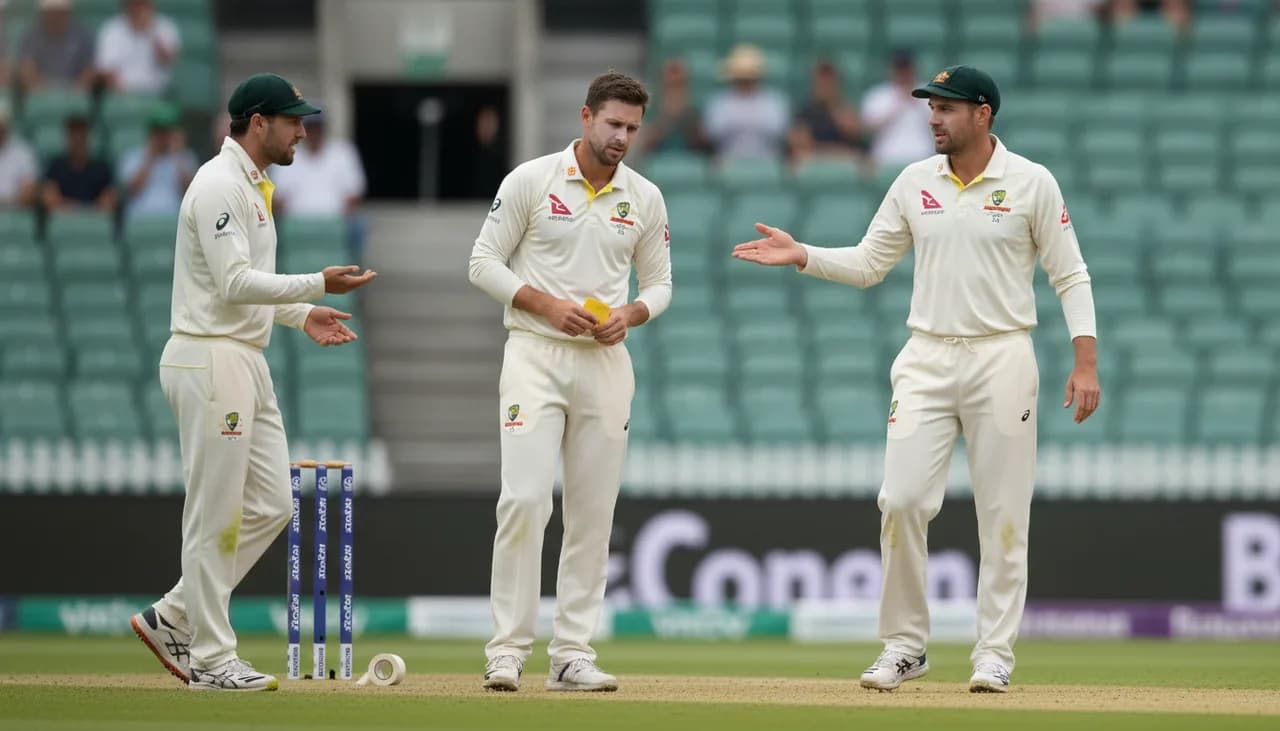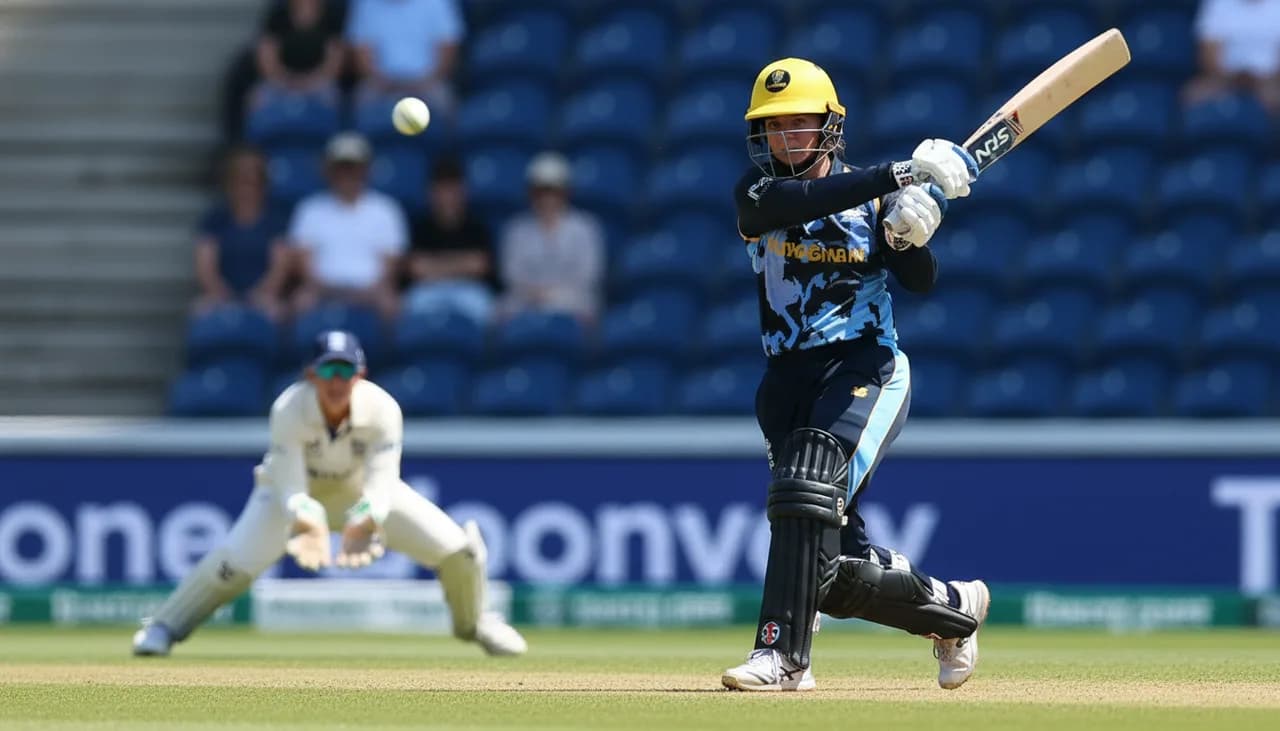
The Ashes returns on 21 November, and to get you in the mood, we thought we'd Test your knowledge with a quiz. The 2010s were a rollercoaster decade for the oldest rivalry in cricket, featuring whitewashes, nail-biters, and the emergence of legends. But for every Broad or Smith who remains a household name, there are players whose contributions, however fleeting, are etched into Ashes folklore. Do you remember these heroes of a bygone era?
The Unlikely Heroes of 2010/11
England’s famous 3-1 triumph down under in 2010/11 was built on the bedrock of Strauss, Cook, Trott, and Anderson. But the series also featured moments of brilliance from players whose stars shone brightly, if briefly. This was a team effort in the truest sense, and a few key performances came from unexpected sources.
Who could forget Tim Bresnan? The Yorkshire seamer was brought into the side for the Perth Test, which England lost, and retained his place for the final two matches. His impact was immediate and decisive. In Melbourne, he took 4-50 to help skittle Australia for 98, and then chipped in with a handy 35 runs. He followed it up in Sydney with 4-48, proving to be the perfect foil for Anderson and Tremlett. Bresnan was the classic English workhorse, and his record in Tests England won – played 13, won 13 – remains a remarkable statistic.
Then there was Chris Tremlett. Standing at 6'7", he was a terrifying prospect when he hit his stride. With Stuart Broad injured, Tremlett was called up for the third Test and produced a man-of-the-match performance in Perth, taking 5-87. His sheer bounce and pace were unplayable at times, and he finished the series with 17 wickets at an average of 23.35. Former England captain Michael Vaughan summed up his impact perfectly: "When Tremlett was fit and firing, he was one of the most difficult bowlers to face in world cricket."
The Mitchell Johnson Aftermath
The 2013-14 series in Australia is synonymous with one man: Mitchell Johnson. His 37 wickets terrorized England. But what of the supporting cast that helped Australia secure a 5-0 revenge? While Johnson was the headline act, the series was also defined by the resurgence of players who had previously struggled against the old enemy.
Brad Haddin was the ultimate nuisance for England. In every single first innings of that five-Test series, the Australian wicket-keeper came to the crease with his side in trouble, and every single time, he scored a half-century. His series-saving and series-defining contributions included:
- A first-innings 94 in Brisbane when Australia were 100-5.
- A brutal 118 in Adelaide, accelerating the innings dramatically.
- A vital 55 in Perth after another top-order collapse.
Haddin finished with 493 runs for the series, a record for a wicket-keeper in an Ashes contest, and was a constant thorn in England's side. He was the immovable object that allowed Johnson to be the unstoppable force.
Another key figure was Ryan Harris. While Johnson's fury captured the imagination, Harris's relentless accuracy and skill were equally devastating. Plagued by knee injuries throughout his career, 'Rhino' was a picture of courage and consistency. He took 22 wickets in the series, including a match-winning 5-25 in the final Test in Sydney. His duel with Alastair Cook was a masterclass in fast bowling. Teammate Peter Siddle often spoke of his value: "You knew what you were getting from Ryan every single ball. He was the heart and soul of our attack."
The Unforgettable One-Test Wonders
Every Ashes series seems to produce a player who bursts onto the scene, makes a stunning impact, and then fades from the Test arena just as quickly. The 2010s had its fair share of these cult heroes, whose names are guaranteed to spark a debate in any cricket-loving pub.
The 2013 Enigma
Step forward, Simon Kerrigan. The left-arm spinner was a surprise selection for the fifth Test at The Oval in 2013, with the series already won by England. What followed was a brutal introduction to Test cricket. He bowled eight expensive overs, conceding 53 runs as Shane Watson took him apart. His confidence visibly shattered, he was never selected for England again. It was a harsh lesson in the gulf between county and international cricket.
The 2015 Paceman
On the Australian side, who remembers Pat Cummins at Johannesburg in 2011? Most do. But do you remember his Ashes debut? It was six years later, in the 2017-18 series. For a true one-Test wonder from the 2010s, look to Boyd Rankin. The giant Irish-born seamer was called up for England in the final Test of the 2013-14 whitewash. Struggling with no-balls and the immense pressure, he took 1-173 in the match and, like Kerrigan, never played another Test.
The Middle-Order Rocks
Beyond the flashy fast bowlers and the wicket-keepers, the decade was also defined by gritty batsmen who specialised in Ashes grit. For England, Ian Bell was a artist in the 2013 home series, scoring three centuries and being named player of the series. But for Australia, Adam Voges often flies under the radar. He made his Test debut aged 35 and in the 2015 Ashes, he was a model of consistency, scoring 31, 52, 43*, 76, and 51 in his five innings. He provided the stability that Australia's flamboyant top order sometimes lacked.
Similarly, Steve Smith began the decade as a leg-spinning all-rounder and ended it as the world's best batsman. But before that transformation was complete, players like George Bailey had their moment. In the 2013-14 series, Bailey blasted 28 runs off a James Anderson over, equalling the world record, and his aggressive captaincy in the field was credited with helping to create the aggressive mindset that defined that Australian team.
Conclusion: A Tapestry of Talent
The Ashes narrative is written by its superstars, but the story is enriched by the contributions of the Tim Bresnans, the Brad Haddins, and even the Simon Kerrigans. They are the players who, for a Test, a series, or a moment, defined the fortunes of their teams and created memories that last a lifetime. As we look ahead to the next chapter in this great rivalry, it's worth remembering that the next hero might not be the one you expect. So, how many of these players did you remember?