A Turnaround Worth Acknowledging
It wasn't long ago that England were arguably the most disappointing one-day side on the planet. Between the final game of their wretched 2023 World Cup campaign and the close of 2024, they dropped six of seven ODI series — a run that also included a Champions Trophy exit without a single victory. That sort of form from defending world champions was extraordinary, and not in a good way.
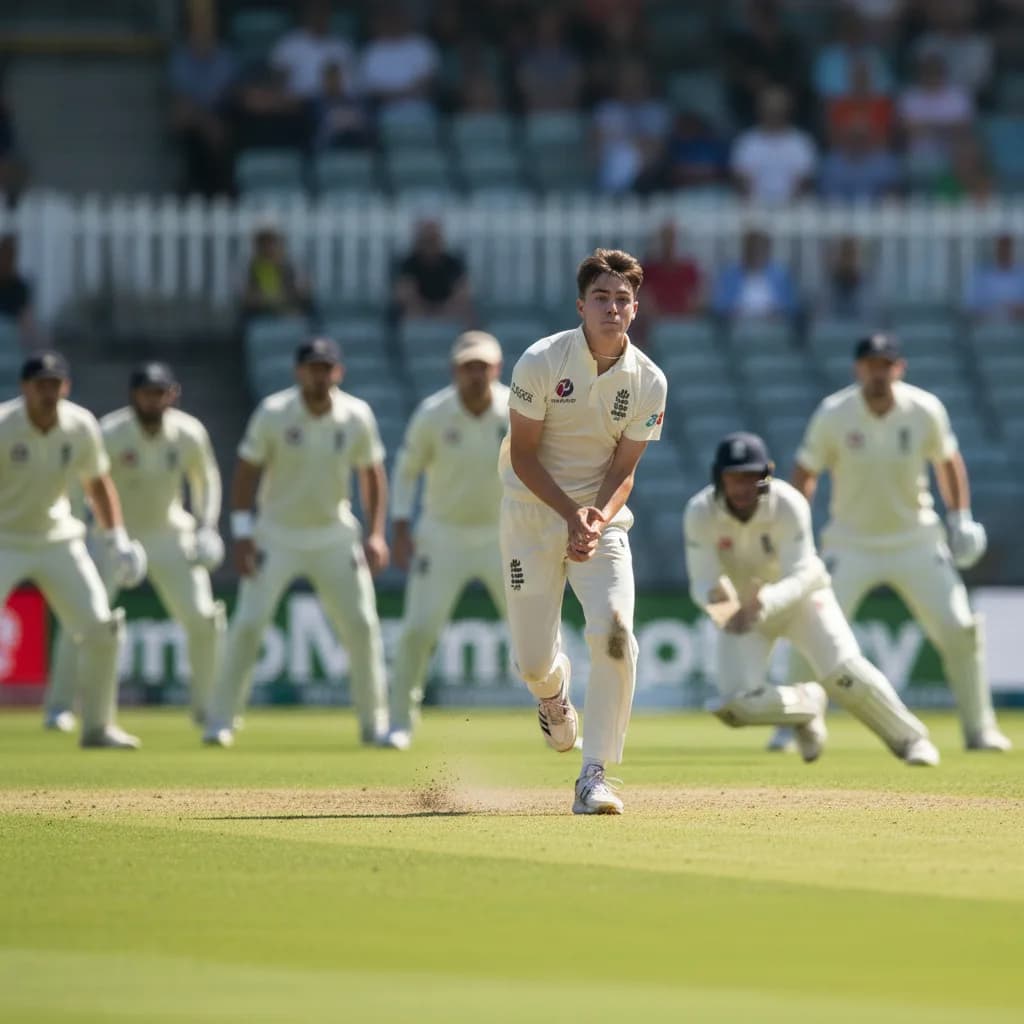
So credit where it's due: the turnaround in 2025 has been real. England have won all three of their 50-over series this year, the latest being a convincing victory over Sri Lanka that featured Tom Banton's maiden international hundred and a characteristically sharp Jofra Archer run-out. They're not the best ODI team in the world — not yet — but they're no longer the format's embarrassment either. Former England spinner Phil Tufnell put it well when he said they might be "in with a shout, with a bit of luck on their side." That's cautious optimism, and it feels about right.
McCullum's Mindset Shift — and What It Means
Perhaps the most telling moment after the Oval win wasn't anything that happened on the pitch. It was Brendon McCullum, speaking to BBC Test Match Special, revealing that England are actively planning warm-up matches for their upcoming winter programme. For context, that's a coach who sent his side into last winter's Ashes with just one internal warm-up game. More strikingly, England haven't incorporated 50-over practice matches into a non-World Cup tour for six years.
McCullum was candid about why: "A lot of these guys just haven't played a lot of white-ball cricket." It sounds simple, but that admission carries real weight. McCullum has also expanded his backroom team this summer and spoken openly about the importance of player fitness. These aren't just cosmetic changes — they suggest a genuine shift in how England are approaching ODI cricket. For the bookmakers, this evolution in preparation should see England's World Cup outright odds tighten as the year progresses, particularly if they can maintain momentum into the winter.
The Questions That Still Don't Have Answers
Improved intent from the management is encouraging, but there are three selection issues that England absolutely must resolve before the tournament begins. First: the opening partnership. With Ben Duckett's position under scrutiny, the Sri Lanka series hinted at potential alternatives, but nothing has been nailed down. Instability at the top of the order has a way of unravelling batting line-ups under World Cup pressure.
Second: the spin support for Adil Rashid. Rashid remains England's premier white-ball spinner, but every World Cup-winning side has shown the value of a capable second spinning option. England's backup in that department is still unclear. Third: seam selection in the context of Sam Curran's return. When Curran comes back into the fold, who makes way? That's a conversation England's selectors need to have sooner rather than later, because chopping and changing seamers mid-tournament is a recipe for inconsistency.
One Year to Get It Right
A year sounds like a comfortable runway, but international cricket schedules have a habit of eating up that time quickly. England have shown they can compete again in 50-over cricket, and McCullum's willingness to adapt his methods is genuinely encouraging. But winning a World Cup requires more than good form — it requires settled answers to hard questions. The work starts now.