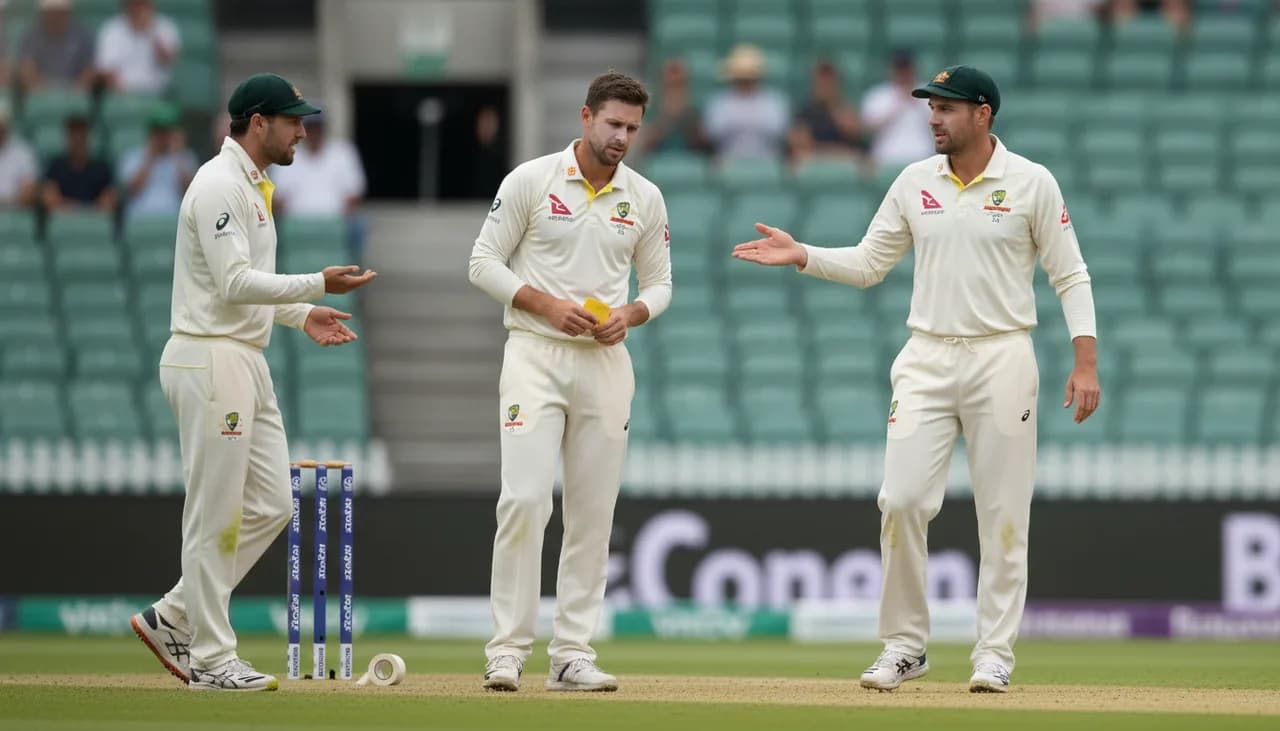
LONDON — Former England fast bowler Stuart Broad has robustly defended the current national cricket team against suggestions of a "drinking problem," despite a winter punctuated by off-field incidents involving alcohol. Broad, who retired from international cricket after last summer's Ashes, insists the culture within the England dressing room is positive and that isolated events should not be conflated with a deeper issue.
The debate was reignited following two notable episodes during England's winter tours. In December, during the one-day international series in the West Indies, star all-rounder Ben Stokes was arrested and charged with obstructing police following an incident in Bristol. While the charges were later dropped, the event drew significant scrutiny. More recently, during the Test series defeat in New Zealand, batsman Jonny Bairstow was involved in a late-night altercation outside a bar in Christchurch, an incident he described as "handbags" and for which he later apologized to the team management.
Broad's Staunch Defence of Team Culture
In his column for the Daily Mail, Broad addressed the narrative head-on. He argued that the actions of a couple of individuals in specific moments do not reflect a systemic failing within the entire squad. "To suggest this England team has a drinking problem is completely wrong," Broad wrote. "They are a professional, dedicated group who take their roles as international cricketers incredibly seriously."
Broad pointed to the demanding modern schedule as evidence that sustained excessive drinking is incompatible with elite performance. "The days of teams going out for multiple beers most nights of a tour are long gone," he stated. "The physical demands of the sport, the density of the fixture list, and the level of analysis mean recovery and preparation are paramount. These players are athletes first and foremost."
Contextualising the Incidents: Pressure and Scrutiny
While not excusing the incidents, Broad urged for perspective, highlighting the intense pressure and constant public scrutiny modern players endure. He suggested that seeking release after a poor performance or a tough day is a human reaction, albeit one that must be managed more carefully when in the public eye. The former seamer, who played 167 Tests, acknowledged that mistakes happen but stressed they should be seen as learning opportunities rather than indictments of character.
The team's leadership under captain Joe Root and head coach Trevor Bayliss has also been questioned. However, Broad defended the environment they have fostered, describing it as one that encourages players to express themselves and enjoy their cricket—a philosophy credited with England's rise to the top of the ODI rankings and their 2019 World Cup victory. The challenge, he notes, is balancing that freedom with professional responsibility.
A Look at Modern Cricket's Professional Demands
To understand why Broad dismisses the idea of a pervasive drinking culture, it's instructive to consider the professional standards now in place:
- Fitness Monitoring: Players undergo regular fitness testing, with body composition and endurance metrics tracked closely. Poor lifestyle choices directly impact these numbers.
- Biomechanical Analysis: Bowling actions and batting techniques are fine-tuned using high-tech software. Fatigue or poor recovery can lead to technical flaws and increased injury risk.
- Data-Driven Recovery: Teams employ nutritionists and physiotherapists who prescribe specific post-match routines, often involving hydration, nutrition, and sleep protocols that leave little room for alcohol.
- Relentless Schedule: With multi-format tours, franchise leagues, and international commitments, the calendar offers minimal downtime, making professional discipline a necessity, not a choice.
This environment, Broad argues, self-selects for professionalism. "The game has moved on from the eras that are often romanticised," he added, referencing past teams known for their social habits. "The current generation are more aware of their responsibilities to themselves, their team, and to the public."
The Role of Experience and Moving Forward
Broad conceded that the recent incidents are a public relations setback for English cricket, which is striving to attract a new, family-friendly audience. He emphasized that experienced players have a crucial role in guiding younger teammates. "It's about making smart decisions. Knowing when it's appropriate to have a beer as a team to celebrate or commiserate, and knowing when to head back to the hotel."
The England and Wales Cricket Board (ECB) has reportedly spoken to the players involved and reiterated the standards expected of international representatives. While no formal disciplinary action against Bairstow is expected, the message is understood to be clear. The focus now shifts to the home summer, with a high-profile series against India offering a chance to reset the narrative on the field.
Conclusion: Isolated Lapses vs. Systemic Issue
In conclusion, Stuart Broad's intervention draws a firm line between individual error and collective culture. While acknowledging that the incidents in Bristol and Christchurch were regrettable and damaging, he firmly rejects the label of a "drinking problem" as a mischaracterisation of a highly professional squad. The reality of modern elite sport, with its unrelenting physical and technical demands, makes sustained unprofessionalism unsustainable for any player aspiring to longevity at the top.
The true test will be whether the team can learn from these lapses without sacrificing the positive, liberated mindset that has brought them considerable white-ball success. As Broad puts it, "This is a good team with good people. They've made a couple of mistakes, but they'll learn from them and come back stronger. To define them by those moments is unfair and inaccurate." The coming months will determine if his defence is vindicated by both the team's conduct and its results.