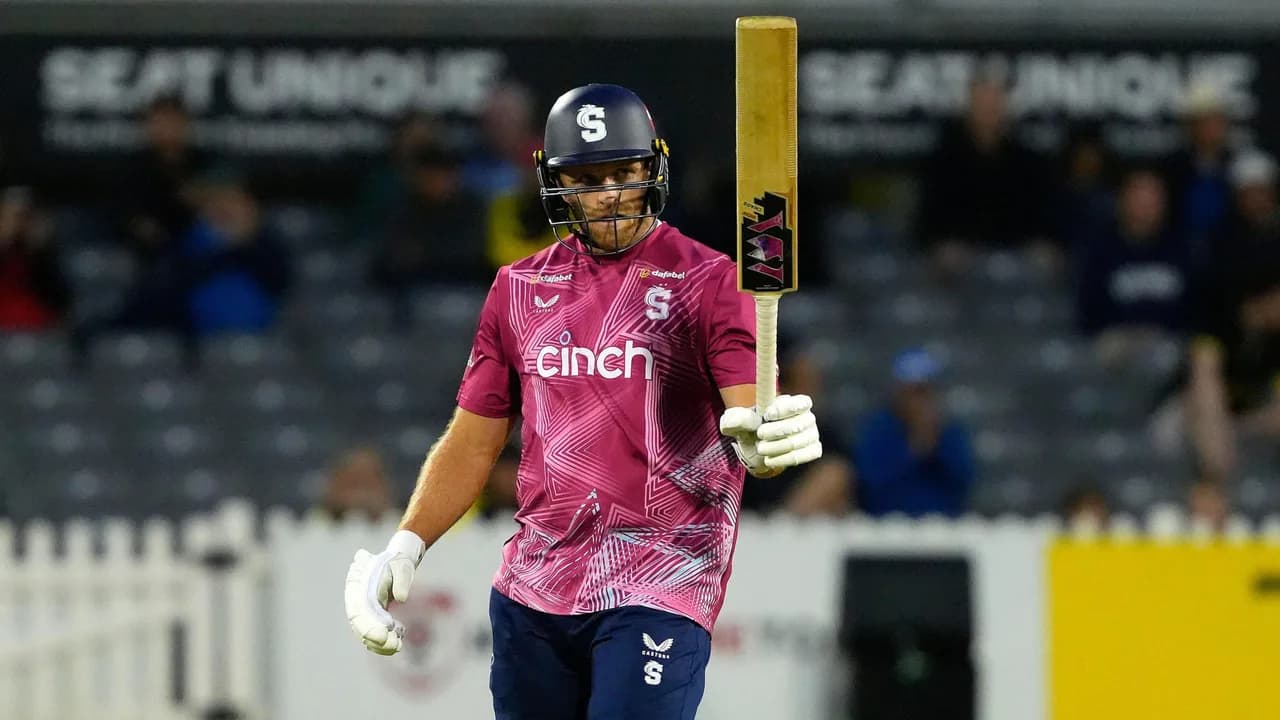

CANBERRA — England have passed up a crucial opportunity to send their first-choice batters to gain vital match practice in a two-day tour match against the Cricket Australia XI in Canberra, despite a dismal and comprehensive defeat in the first Ashes Test at the Gabba. The decision, which flies in the face of conventional touring wisdom, has raised eyebrows and drawn criticism from pundits who believe the team's misfiring top order desperately needs time in the middle.
The Gabba Debacle and a Missed Opportunity
The visitors were soundly beaten by nine wickets in Brisbane, with the batting lineup crumbling twice against Australia's formidable pace attack. Only captain Joe Root and all-rounder Dawid Malan offered significant resistance, leaving major question marks over the form of openers Rory Burns and Haseeb Hameed, as well as the middle-order trio of Ollie Pope, Jos Buttler, and Ben Stokes. With four days between the first and second Tests, the fixture at Manuka Oval presented a golden chance for the struggling batsmen to reset and find some rhythm.
Instead, the England camp has opted to rest its key batters. The team named for the tour game features a completely different XI, comprised of reserves and those who did not play in the first Test. This means players like Jonny Bairstow, who is pushing for a recall, and the uncapped Ollie Robinson will get a run, while the established top seven will remain in Queensland, focusing on net sessions rather than competitive red-ball cricket.
The Rationale Behind the Rest Strategy
England's management, led by head coach Chris Silverwood, has defended the move by emphasizing the grueling nature of a five-Test Ashes series and the need to manage player workloads. The team is operating under a policy of "rest and rotation," a strategy that has been controversial throughout the past year, particularly during the home series against India. Silverwood argued that the mental and physical freshness of his star players is paramount.
In a press conference, Silverwood stated, "It's a five-match Test series, and it's a long, hard tour. We have to make sure we look after our players. The best way of doing that is giving them the best opportunity to be fresh and ready for each Test. I believe we have got the best preparation by doing it this way." He further suggested that the net facilities and practice wickets in Brisbane are of a high enough standard to facilitate the necessary technical adjustments.
Pundits and Former Players Voice Disapproval
The decision has not been well-received by many former England captains and cricket analysts. They point to the unique challenges of batting in Australian conditions—the extra bounce, pace, and movement—and argue that there is no substitute for time spent in the middle, regardless of the quality of practice nets.
Former skipper Michael Vaughan was particularly scathing, writing in his column for The Telegraph, "It is staggering that England have chosen to rest players instead of giving them game time. After that performance in Brisbane, you’d think they’d be crying out for a hit in the middle. Net practice is not the same. This is a luxury they cannot afford."
The criticism centers on several key perceived flaws in England's logic:
- Lack of Competitive Intensity: A tour match, even against a weaker side, replicates the pressure of a match situation far better than a net session.
- Conditioning to Australian Pitches: The batters need to re-acclimatize to the true, bouncy wickets, which can only be fully experienced in a game.
- Building Confidence: A solid score in Canberra could have been the perfect confidence booster for a player like Rory Burns, whose technique was brutally exposed at the Gabba.
A Glimmer of Hope in the Nets?
Despite the external noise, the England camp appears unified in its strategy. Reports from the training ground in Brisbane suggest the batsmen are undergoing specific, focused drills to counter the Australian pace barrage. Bowling machines have been set to replicate the lengths and speeds of Pat Cummins, Josh Hazlewood, and Mitchell Starc. Assistant coach Graham Thorpe has been working intensely with players on their forward defences and leaving the ball outside off-stump.
A team source was quoted as saying, "The feeling within the group is that quality, focused practice trumps a low-key two-day fixture. The guys know what they need to work on, and they are putting in the hard yards away from the spotlight."
A Gamble with the Ashes on the Line
With the second Test in Adelaide being a day-night match under lights with the pink ball—a format where Australia is undefeated—the stakes could not be higher. If England's first-choice batters fail again and the team goes 2-0 down in the series, the decision to skip the tour match will be scrutinized as a catastrophic miscalculation. The pressure on Silverwood and Root will become immense.
Conversely, if the rested batsmen turn up in Adelaide looking refreshed and technically improved, scoring big runs and setting up a series-levelling victory, the management's controversial strategy will be hailed as a masterstroke. For now, it remains a high-stakes gamble, a bold and unorthodox move that will ultimately be judged by the scoreboard at the Adelaide Oval. The cricketing world waits to see if England's faith in net practice over match practice is justified, or if it is a misstep that hands Australia an even greater advantage in the quest for the Urn.