BRISBANE — England have taken the drastic step of adding an extra training session to their schedule in Brisbane, a clear response to their comprehensive 381-run defeat in the first Ashes Test at the Gabba. With the second Test in Adelaide just days away, captain Ben Stokes and coach Brendon McCullum are demanding an immediate and significant improvement from their squad, refusing to let the series slip away after a single match.
A Wake-Up Call at the Gabba
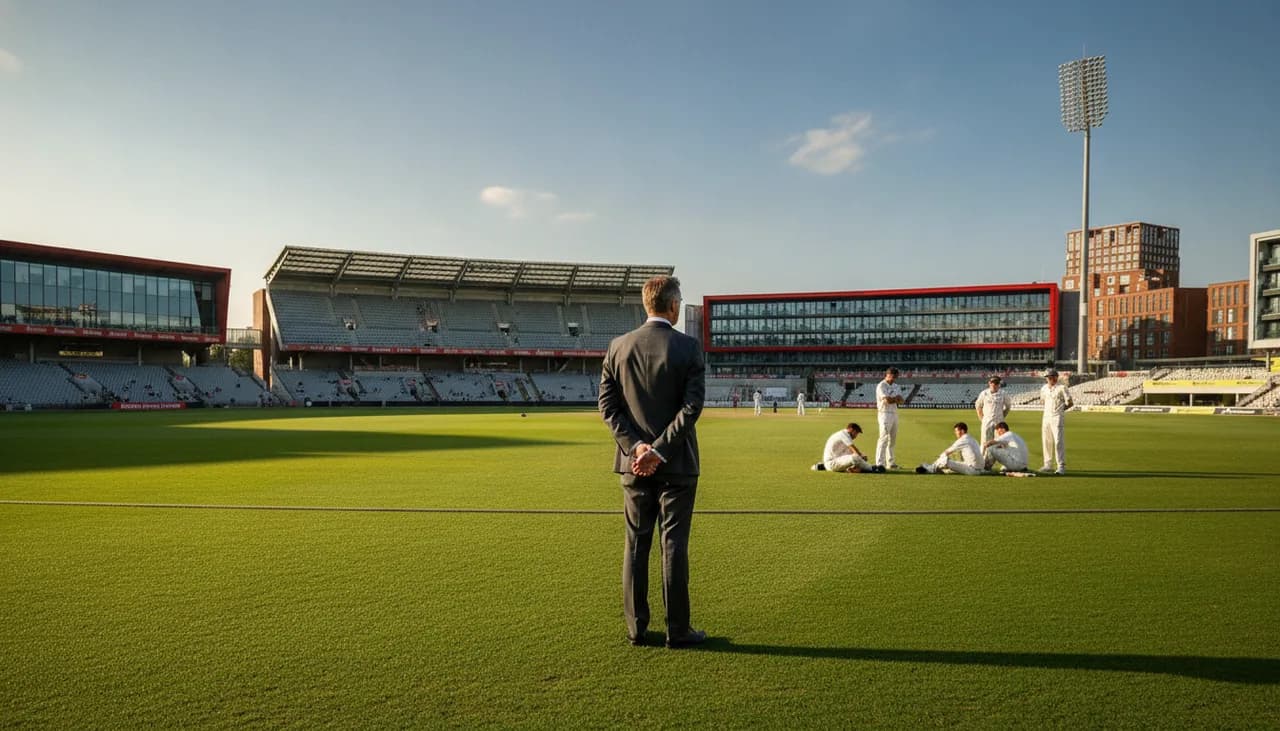
The scale of the defeat in Brisbane was stark, exposing vulnerabilities in all three departments. Australia's batters piled on the runs, their bowlers exploited the conditions with relentless accuracy, and England's much-vaunted 'Bazball' approach appeared stifled and uncertain. The extra session, scheduled for the team's first full day in Brisbane before they travel to Adelaide, is not just about fine-tuning skills; it is a symbolic gesture of intent. A team spokesperson confirmed the move, stating, "The players and management felt it was necessary to put in the extra work. There are no excuses, only a need to respond."
The focus of the additional training is understood to be twofold: shoring up the fragile top-order batting and addressing the concerning lack of discipline with the ball. England's first-innings collapse to 161 all out, following a promising start, effectively lost them the match. The sight of wickets tumbling in clusters has become a worrying trend that the coaching staff is determined to break.
Batting Frailties Under the Microscope
While Zak Crawley's second-innings 73 offered a glimmer of hope, the performances of the other top-order batsmen have come under intense scrutiny. The manner of the dismissals, particularly to Nathan Lyon, suggested a lack of a coherent plan against high-quality spin. The extra nets will likely involve specific, scenario-based drills designed to build resilience and foster partnerships. As one analyst noted, "It's not about abandoning the aggressive philosophy, but about marrying it with situational awareness."
The key areas for the batting group to address include:
- Leaving the ball: Better judgement around off-stump against the seamers.
- Playing spin: Developing a clear method to score and survive against Nathan Lyon.
- Building partnerships: Avoiding the cluster of wickets that derailed both innings.
- Converting starts: Several players got in but failed to capitalise on promising beginnings.
Bowling Discipline and Tactical Shifts
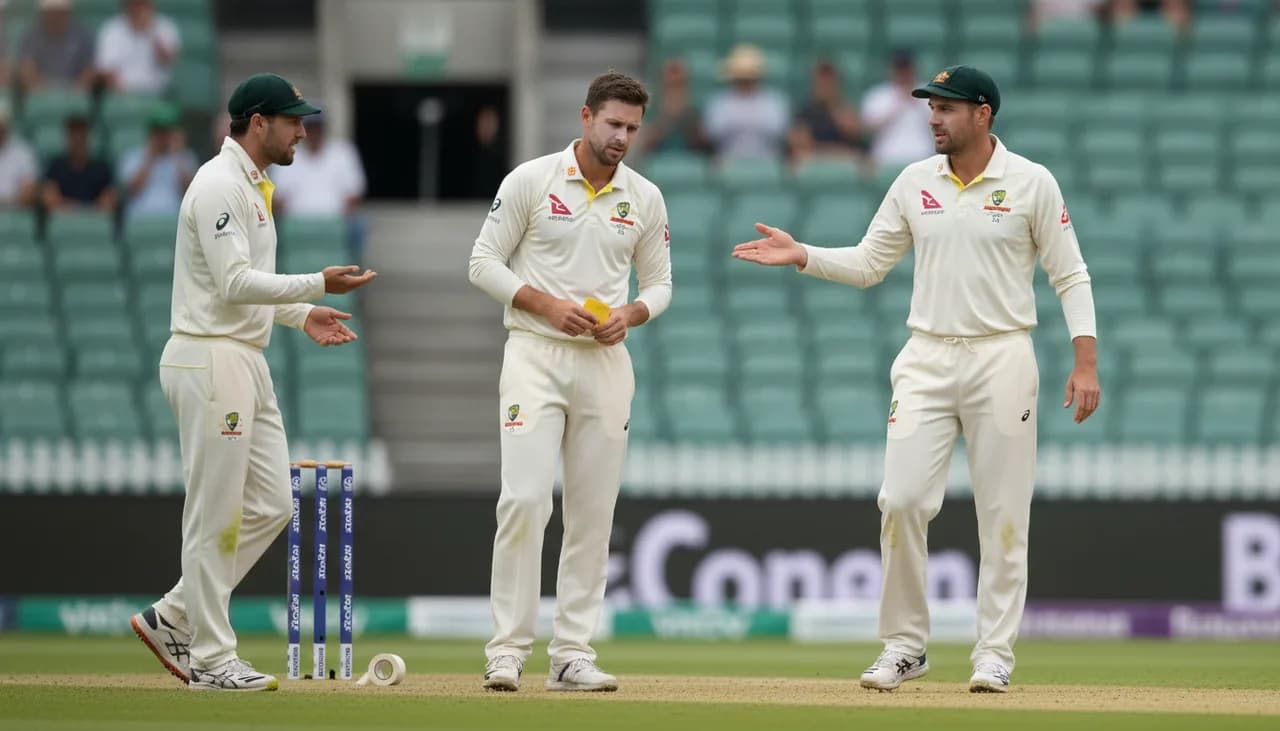
Perhaps even more alarming than the batting was the performance of the bowling attack. England's bowlers delivered a staggering 23 no-balls, with a number of them costing wickets, a basic error that coach McCullum described as "unacceptable at this level."
The inability to build consistent pressure on the Australian batters, particularly Usman Khawaja and Travis Head who scored centuries, allowed the hosts to escape from precarious positions. The plan to bowl short at Head famously backfired, with the left-hander mercilessly punishing anything pitched into his arc. The extra training will involve rigorous work on run-ups to eliminate no-balls and a deep tactical review of the fields and plans for each Australian batter.
The Stokes-McCullum Mandate
This proactive move is classic Stokes and McCullum. Since taking over, their leadership has been defined by a refusal to accept mediocrity and a willingness to make bold, decisive moves. Cancelling a day off in favour of hard graft sends an unambiguous message to the squad: the first Test performance was not up to the standard they expect. It reinforces their mantra of constant evolution and a focus on the process, even in the face of a heavy defeat. Stokes was seen in deep conversation with several senior players after the match, and the decision for extra training is believed to have been a collective one.
A source close to the team said, "There's no panic, but there is a steely determination. Brendon and Ben aren't about finger-pointing; they're about solutions. This session is about finding those solutions on the training field, not just in the team room. It's about action."
The Adelaide Oval Challenge
The setting for the second Test, the day-night match at the Adelaide Oval, adds another layer of complexity. The pink ball under lights presents a unique challenge, often favouring the seam bowlers dramatically in the twilight session. England's batsmen will need to be at their most disciplined during these periods, while their bowlers must exploit the conditions far better than they did at the Gabba.
The selection will also be a major talking point. The fitness of Mark Wood, who offers genuine pace, is being closely monitored, while the possibility of bringing in a specialist spinner like Rehan Ahmed, though unlikely, has been mentioned by pundits. The final XI will depend heavily on the impressions made during these crucial training sessions in Brisbane and Adelaide.
Former England captain Michael Vaughan commented on the situation, stating, "This is the first real test of the Stokes-McCullum era. They've had a brilliant run, but now they've been punched on the nose. How they respond, how the players react to this extra work, will tell us everything we need to know about their character and whether this philosophy can truly succeed in the cauldron of an Ashes series in Australia."
The added training session is more than just a physical workout; it is a psychological reset. By choosing to work harder, England are aiming to draw a definitive line under the Gabba defeat. The cricketing world will be watching closely to see if this old-school remedy of hard work and introspection can spark the dramatic turnaround required to get the 2023/24 Ashes campaign back on track.