A Welcome Return to Three-Way ODI Cricket
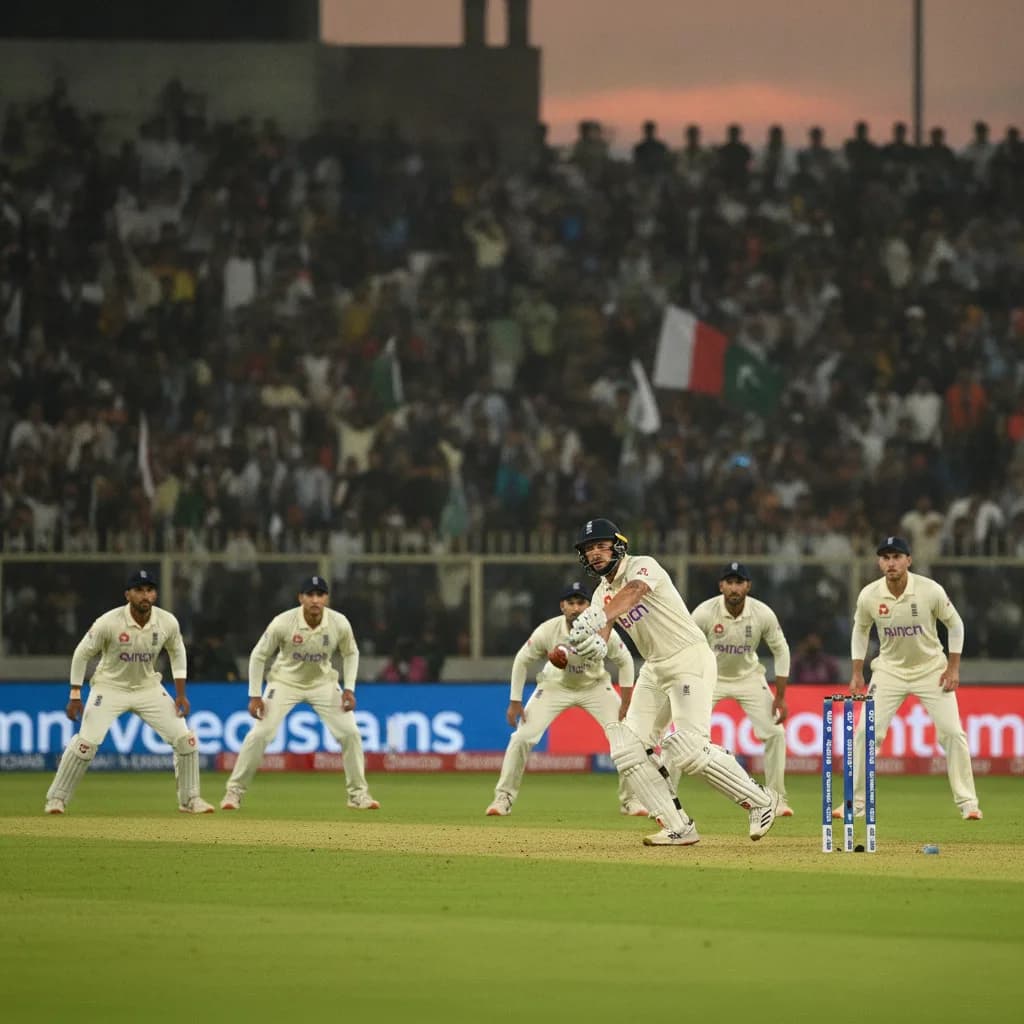
There is something genuinely exciting about a tri-series, and England fans have not had one to look forward to in quite some time. The last occasion England featured in this format was back in Australia ahead of the 2015 World Cup — a tournament that, frankly, we would all rather forget. A decade on, Harry Brook's side head to Pakistan this October to face the hosts and Sri Lanka in what promises to be a compelling contest across two iconic venues.
As someone who has spent years analysing ODI cricket from a coaching perspective, I have always felt that tri-series demand a level of tactical flexibility that bilateral series simply cannot replicate. You are not just playing to win individual matches — you are managing squad resources, monitoring net run rates, and keeping an eye on what your rivals are doing against each other. It adds layers of intrigue that make every delivery count.
The Schedule and What to Expect
The tournament gets under way on 18 October when Pakistan and Sri Lanka meet at the Rawalpindi Cricket Stadium. England enter the fray two days later, also at Rawalpindi, when they take on the hosts. A further group-stage fixture against Sri Lanka follows on 22 October at the same ground before the action shifts to the Gaddafi Stadium in Lahore. England face Pakistan there on 25 October and then close out their group-stage commitments against Sri Lanka on 29 October, with the top two sides advancing to a final on 31 October.
Each team plays the other twice, which means there is very little margin for error. One poor performance could prove costly in a short-format competition like this, and that unpredictability is exactly what makes tri-series such attractive betting propositions. Early outright markets are likely to open England as slight favourites given their recent ODI form, though Pakistan's home advantage could shift those odds considerably once the series gets under way.
England's Recent ODI Form a Cause for Optimism
Under Brook's leadership, England have shown genuine promise in white-ball cricket. Two consecutive ODI series victories — against Sri Lanka in January and India more recently — suggest a side that is building momentum rather than simply coasting. The squad will carry that confidence into unfamiliar conditions, which is always the real test of a team's credentials.
Conditions in Rawalpindi and Lahore will differ noticeably from anything England encounter at home, with slower surfaces likely to reward disciplined bowling and intelligent batting. From a coaching standpoint, the side that adapts quickest — particularly in their first couple of fixtures — will have a significant edge heading into the knockout stage.
A Busy Winter Ahead
This tri-series is merely the opening act of an extraordinarily demanding England winter. Three ODIs and five T20 internationals against Australia follow from 13 November, after which England face Test and ODI series in South Africa, two Tests in Bangladesh, and the prestigious 150th anniversary Test against Australia in Melbourne come March. Managing workloads across that schedule will be as important as any tactical blueprint.
For now, though, October's tri-series deserves to be celebrated on its own merits. It is a chance for England to stake an early claim on a busy winter, to blood players in challenging subcontinental conditions, and to remind everyone that ODI cricket — when it features three competitive nations — remains a wonderful spectacle.