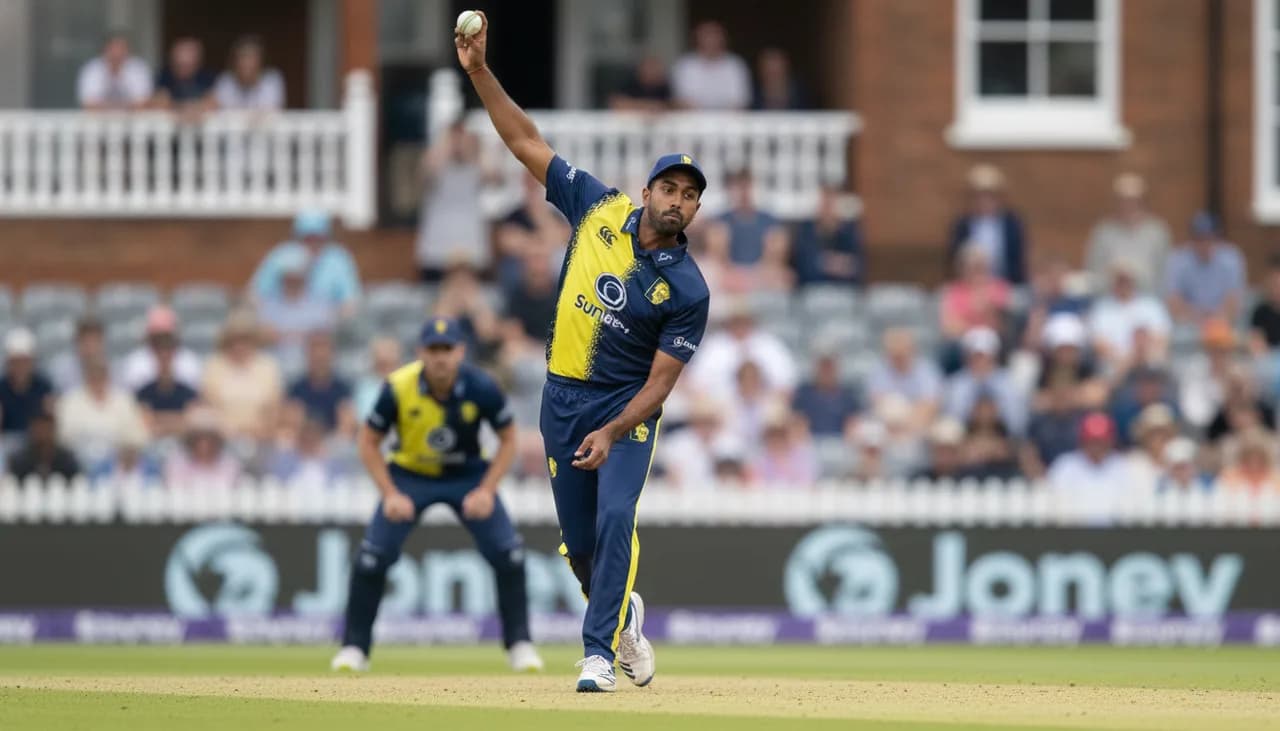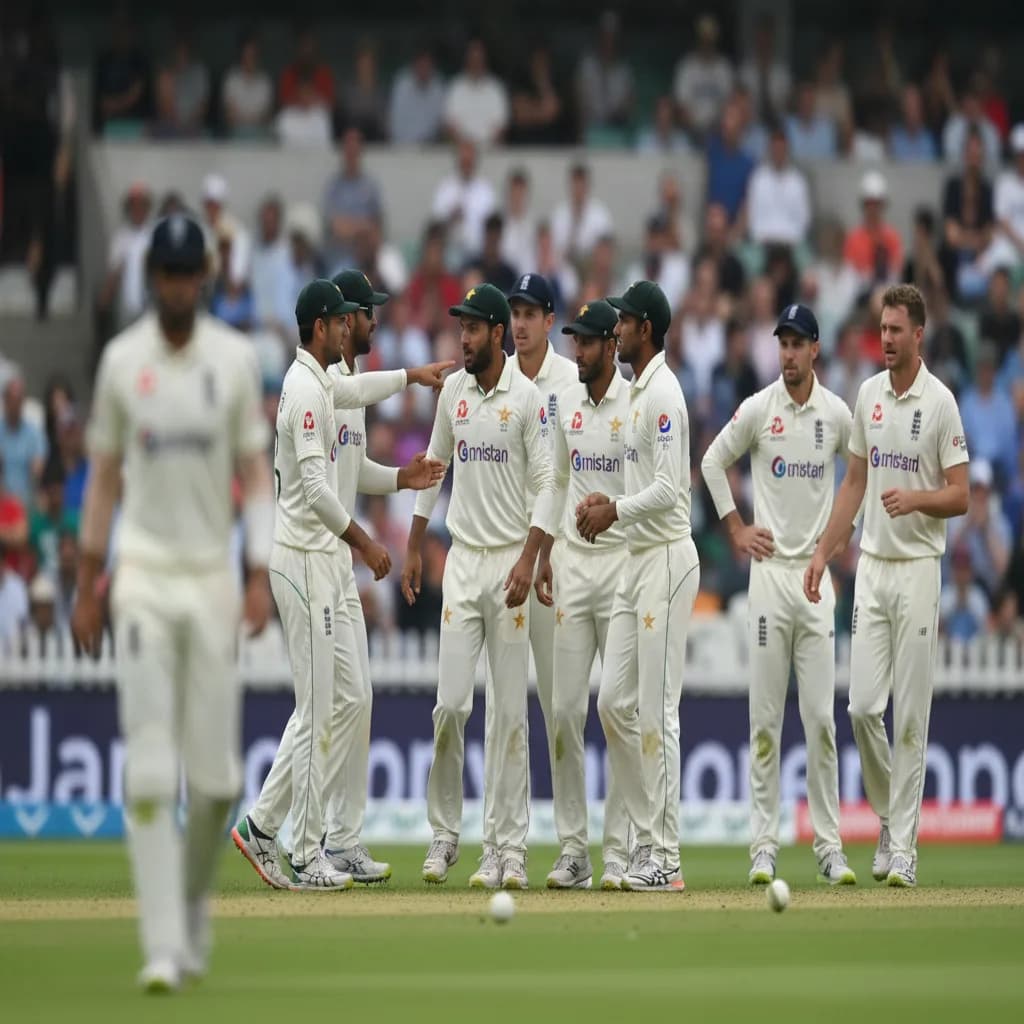
Just a few weeks ago, the mood surrounding English cricket was decidedly gloomy. Ben Stokes announced his Test retirement following a 2-1 series defeat to New Zealand, and Brendon McCullum's future as a coach came under scrutiny. Fast forward to the end of July, however, and the picture looks considerably brighter. England's white-ball side has dismantled world number one India in both T20 and ODI formats — 4-0 and 2-1 respectively — and for the first time in a while, there's genuine cause for optimism heading into a World Cup cycle.
A New Opening Partnership Changes the Equation
The most eye-catching tactical shift in the ODI series was the decision to pair Ben Duckett with Jacob Bethell at the top of the order. It's worth noting this was England's sixth opening combination since the 2023 World Cup — a statistic that tells its own story about the instability in that position. With Phil Salt, Jamie Smith, and Zak Crawley all currently out of the picture, and Will Jacks and Rehan Ahmed being considered for middle-order roles, the selectors clearly felt a fresh approach was needed.
The results were mixed initially. At Edgbaston in the first ODI, the left-handed pair managed a reasonable 63-run stand before the partnership was broken. Cardiff was an outright disaster — Duckett fell first ball and Bethell followed almost immediately, leaving England in a precarious position at 8-2. But Lord's was a different story entirely. Duckett, batting with the kind of fluency that has made him one of England's most exciting limited-overs batters, eventually notched his fourth ODI century. Bethell, for his part, struck 91 off an attack running low on energy, hitting 11 fours and two sixes at a strike rate of nearly 98. It was a composed, assured display from a 22-year-old who had never previously batted above number four in white-ball cricket for England. The pair produced the highest ODI opening stand ever recorded at Lord's — a landmark achievement that will have caught the attention of bookmakers and opposition analysts alike.
Flexibility in the Batting Order Pays Dividends
One underappreciated benefit of promoting Bethell to the top is the extra bowling option it affords England lower down the order. By pushing him up the batting order, the side were able to field three front-line seamers alongside spinner Adil Rashid and the dual threat of all-rounders Sam Curran and Will Jacks in the final two matches of the series. That balance — genuine batting depth combined with six credible bowling options — is precisely the kind of flexibility that wins World Cups.
Are the Betting Markets Taking Notice?
Following this series victory, England's outright World Cup odds have inevitably shortened. Beating the top-ranked side in both white-ball formats in the same summer is no small achievement, and the betting community will be paying attention. Whether or not the current form holds through to the tournament, results like these remind the market that England remain a genuine contender rather than an outside bet.
The Bigger Picture: 2026 and Beyond
McCullum, now firmly embedded as England's limited-overs architect, will be encouraged by these results — but there's a reasonable case for measured optimism rather than unbridled enthusiasm. England have historically been capable of producing brilliant individual series performances without sustaining that form across a full cycle, as 2023 demonstrated. The opening partnership question now looks more settled than it has in two years, the batting lineup has genuine depth, and the bowling attack has proven capable of restricting the best side in the world. That's a strong foundation. Whether it becomes a World Cup-winning platform will depend on consistency over the next twelve months — and that, historically, has been England's greatest challenge in 50-over cricket.