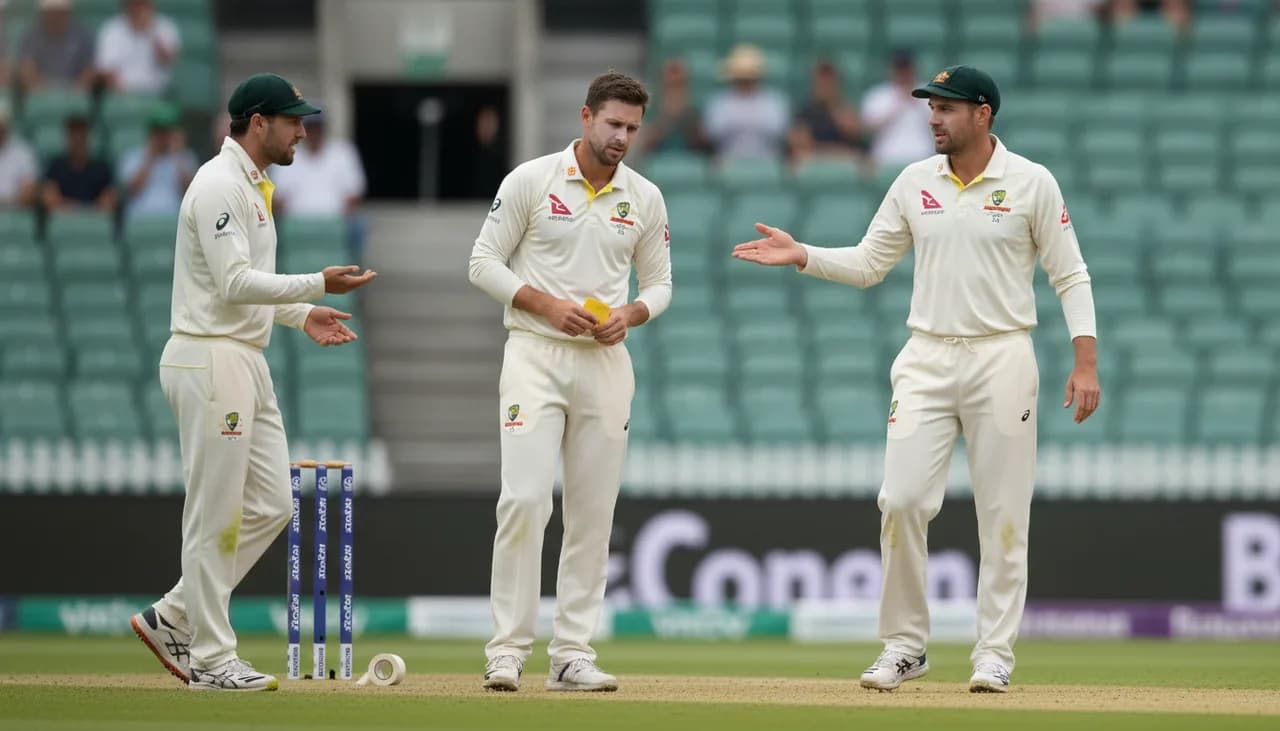
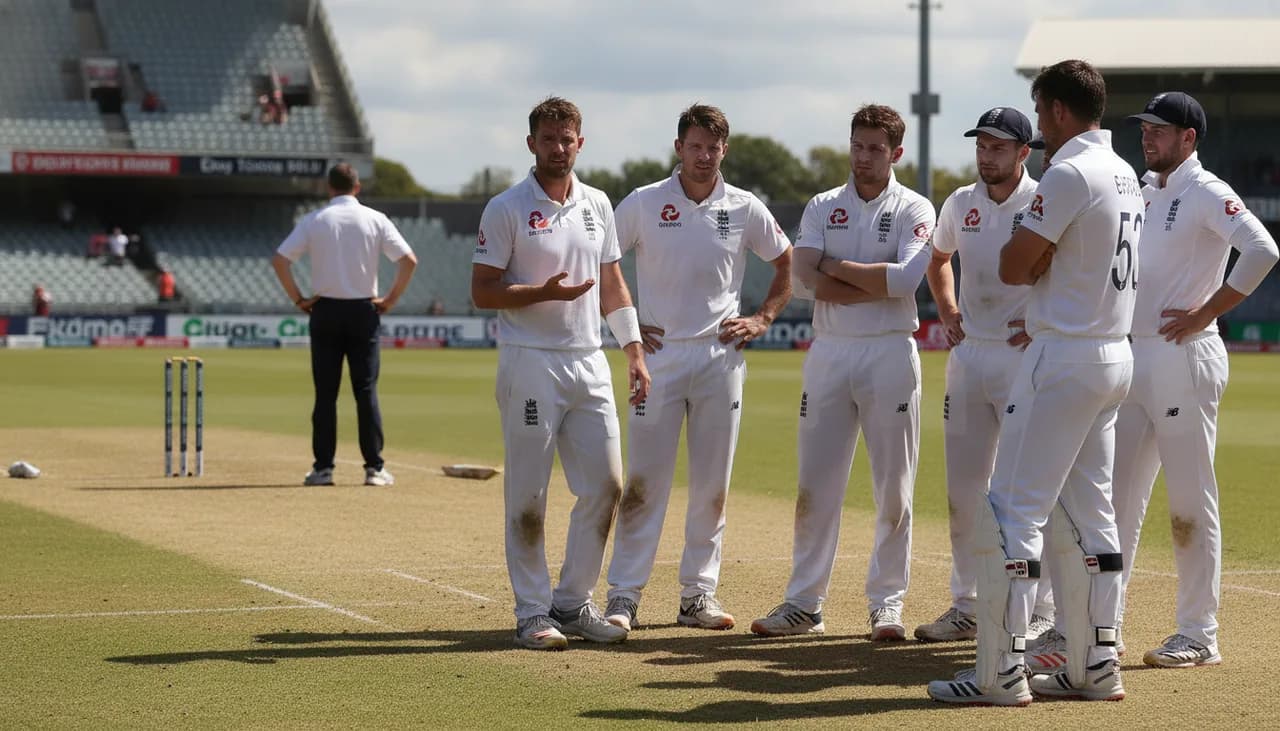
There comes a point where patterns stop being coincidences and start being culture. England men's cricket has now reached that point. The images of fast bowler Brydon Carse surrounded by police officers outside a Derby nightspot are simply the latest chapter in what has become a deeply embarrassing saga for English cricket — and it demands a serious response.
The Scale of the Problem Is Impossible to Ignore
Let's be clear about the numbers here. Since last Halloween, eight England players have found themselves entangled in some form of late-night incident. That is more than a quarter of the 30 men currently holding central ECB contracts. We have had a nightclub punching in New Zealand involving Harry Brook, Jacob Bethell and Josh Tongue. We have had Ben Duckett filmed in an inebriated state in Australia. Ben Stokes and Gus Atkinson were present when a member of England's security staff was struck during a London nightclub visit in June — a night that also saw the team break a curfew. Now Carse adds his name to the list, days into Joe Root's reign as Test captain.
To frame it another way: four separate incidents, two involving punches being thrown, and one resulting in a player being placed in handcuffs. This is not a one-off lapse in judgement. This is a recurring failure of professional standards.
Root's Early Decision Has Come Back to Haunt Him
One of Joe Root's first acts upon accepting the Test captaincy was to scrap the midnight curfew that had been introduced following the earlier incidents. He also oversaw the removal of guidelines discouraging players from drinking alcohol on match days or in public settings. Root spoke of wanting his players to "be adults" and called on them to be "really good role models, good human beings." Those were admirable sentiments. The Carse incident occurred while Root's very first Test as captain was still in progress. The timing could scarcely be more damaging.
Removing the curfew was a bold, trust-based approach — and in principle, it is not unreasonable to treat professional sportspeople as adults. But when that trust is repeatedly broken, a captain must be willing to act decisively. Root now faces an early leadership test that has nothing to do with what happens on the pitch.
Carse's Career Context Makes This Even More Frustrating
There is genuine sympathy for Brydon Carse at a human level. The 31-year-old served a two-year ban for historical betting offences and worked extraordinarily hard to rebuild his career. He has repaid that faith emphatically on the field — no England bowler has taken more Test wickets than his 58 since his debut in October 2024. It would be a shame for that story to be overshadowed by avoidable off-field controversy. It is also worth noting that Carse was not under formal England duty at the time, having been released to play for Durham, and reports suggest he was not arrested. The ECB and the Cricket Regulator are gathering full details before any decision is made on his involvement in the second Test at Lord's.
Those mitigating factors matter, but they do not entirely neutralise the reputational damage. From a betting perspective, uncertainty around Carse's availability will inevitably affect England's bowling attack odds heading into the second Test — he is a key component of their pace unit.
Consequences Must Match the Moment
The ECB is reported to be deeply frustrated, and rightly so. But frustration without firm action achieves nothing. If meaningful consequences — squad exclusions, financial penalties, or formal suspensions — are not applied consistently, then no amount of strongly worded statements will change behaviour. Root has an opportunity here to define his captaincy era. Strong leadership is not just about tactics and team selections; it is about setting standards that the entire squad understands and respects. The time for another quiet word is over. English cricket's reputation deserves better — and frankly, so do the fans who follow it.