Afghanistan Premier League Draws English Interest — And Political Scrutiny
A new T20 franchise competition organised by the Afghanistan Cricket Board is attracting significant interest from English cricketers, but it is also drawing sharp criticism from politicians who believe participation sends the wrong message about the Taliban's ongoing oppression of women and girls.
The inaugural Afghanistan Premier League (APL) is set to be staged in the United Arab Emirates, with a five-team format scheduled to get under way on 27 December. Before any ball is bowled, however, the tournament requires approval from the International Cricket Council, whose consideration of the Afghanistan Cricket Board's application remains ongoing.
Who Has Registered — and What the ECB's Position Is
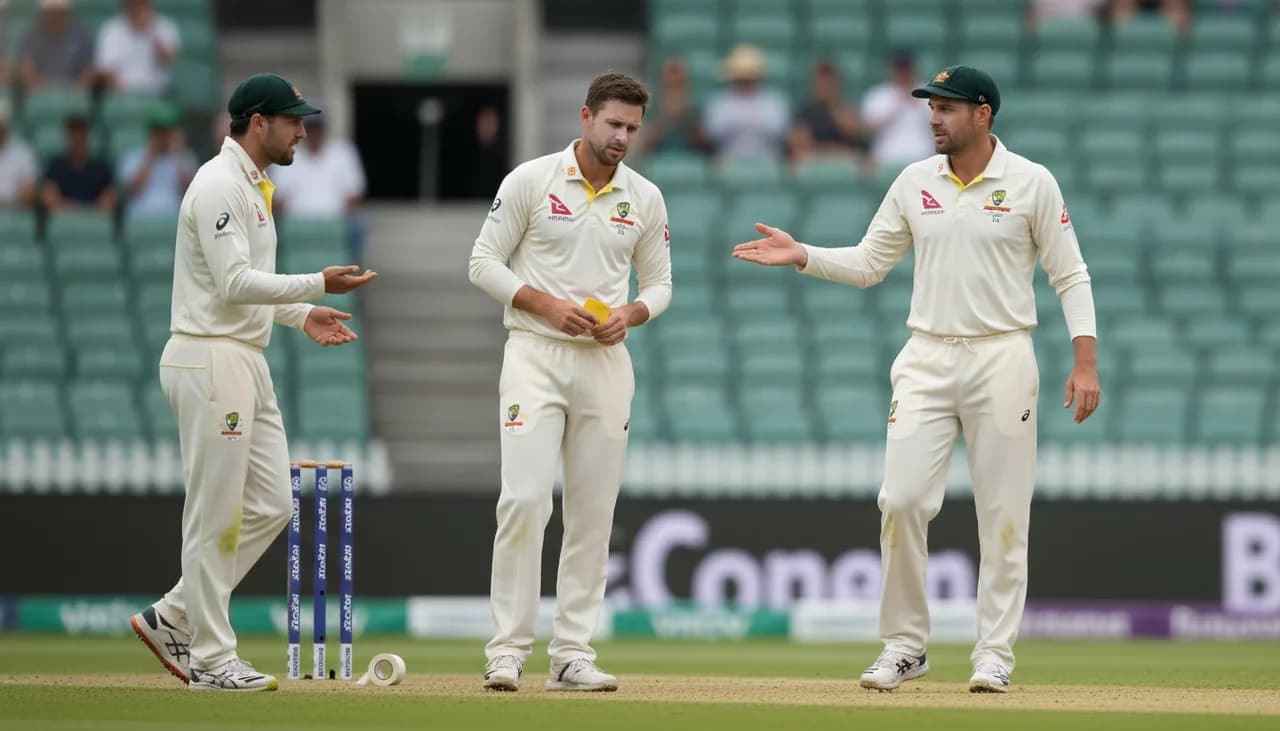
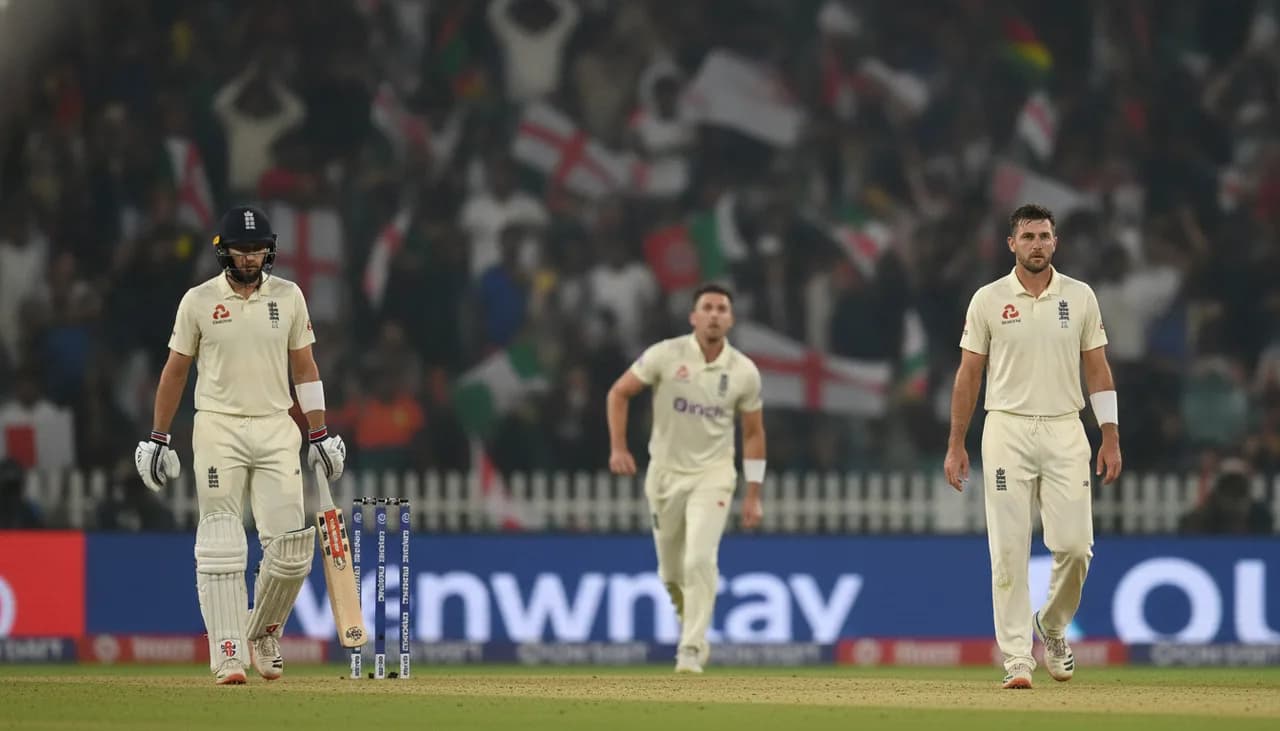
Among those who have put their names forward for the APL draft, held in October, are England internationals Ollie Pope and Luke Wood, alongside Moeen Ali, Reece Topley, James Vince, Tom Kohler-Cadmore and Laurie Evans. A number of Irish and Scottish players have also registered, including Jai Moondra and Brandon McMullen.
Their potential involvement sits in an awkward grey area when it comes to the England and Wales Cricket Board's stance on Afghanistan. The ECB has long refused to arrange bilateral men's fixtures against Afghanistan in protest at the Taliban's systematic curtailment of women's and girls' rights — a position its chair Richard Thompson described last year using the striking phrase "gender apartheid." However, BBC Sport understands that this policy does not cover franchise tournaments, leaving individual players free to make their own choices. The ECB is expected to issue the necessary No Objection Certificates, provided the ICC sanctions the event.
Political Pressure Mounts on Players
Labour MP Tonia Antoniazzi, who spearheaded a cross-party effort to boycott England's Champions Trophy fixture against Afghanistan earlier this year — backed by a letter signed by 200 MPs — has not held back in her response to the APL registrations.
"Why are we here again? Women and girls in Afghanistan are denied the same rights as those in our country, and the women's team lives in exile," she told BBC Sport. "Does that not concern the players, especially those with daughters, sisters or mothers? I hope the ICC refuses to sanction this event. Continuing to allow Afghanistan full-member status makes a mockery of its own membership criteria."
It is a powerful challenge to the players involved. Afghanistan became a full ICC member in June 2017, a status that gives the board the standing to apply for exactly this kind of tournament approval. Whether the ICC's current review results in sanction or rejection will be pivotal — not just for the APL's viability, but for the broader debate about cricket's relationship with the Afghan authorities.
A Difficult Decision for Players and Administrators Alike
From a purely cricketing standpoint, franchise tournaments like the APL represent genuine opportunity, particularly for those on the fringes of England selection who need competitive cricket and supplementary income. For punters tracking the T20 franchise landscape, the APL's odds market — should the tournament receive ICC approval — would represent an intriguing new betting competition worth watching.
But as Jamie Hall, someone who has worked extensively with cricketers at all levels, I'd argue the reputational and moral dimensions here are impossible to separate from the cricketing ones. The players who have registered face a genuinely difficult call, and the ECB's hands-off approach, while legally consistent, leaves them without clear institutional guidance. Whatever the ICC decides, this debate is far from over.