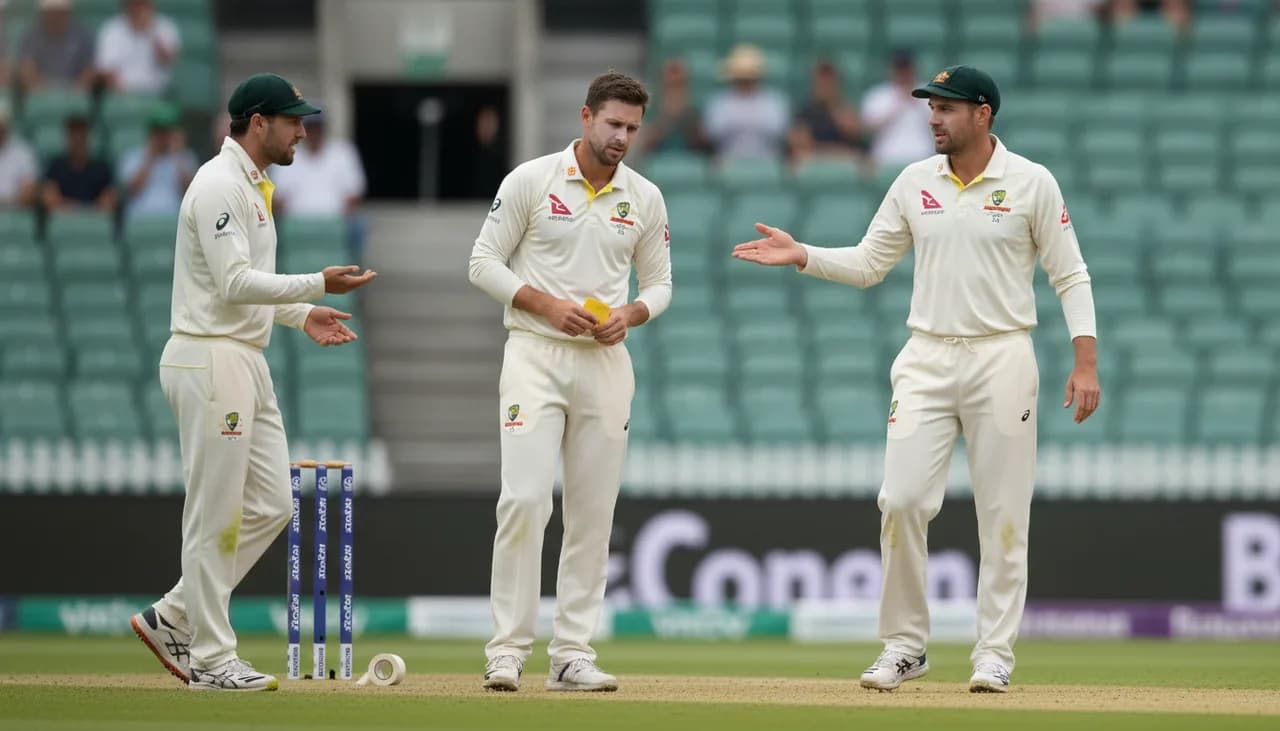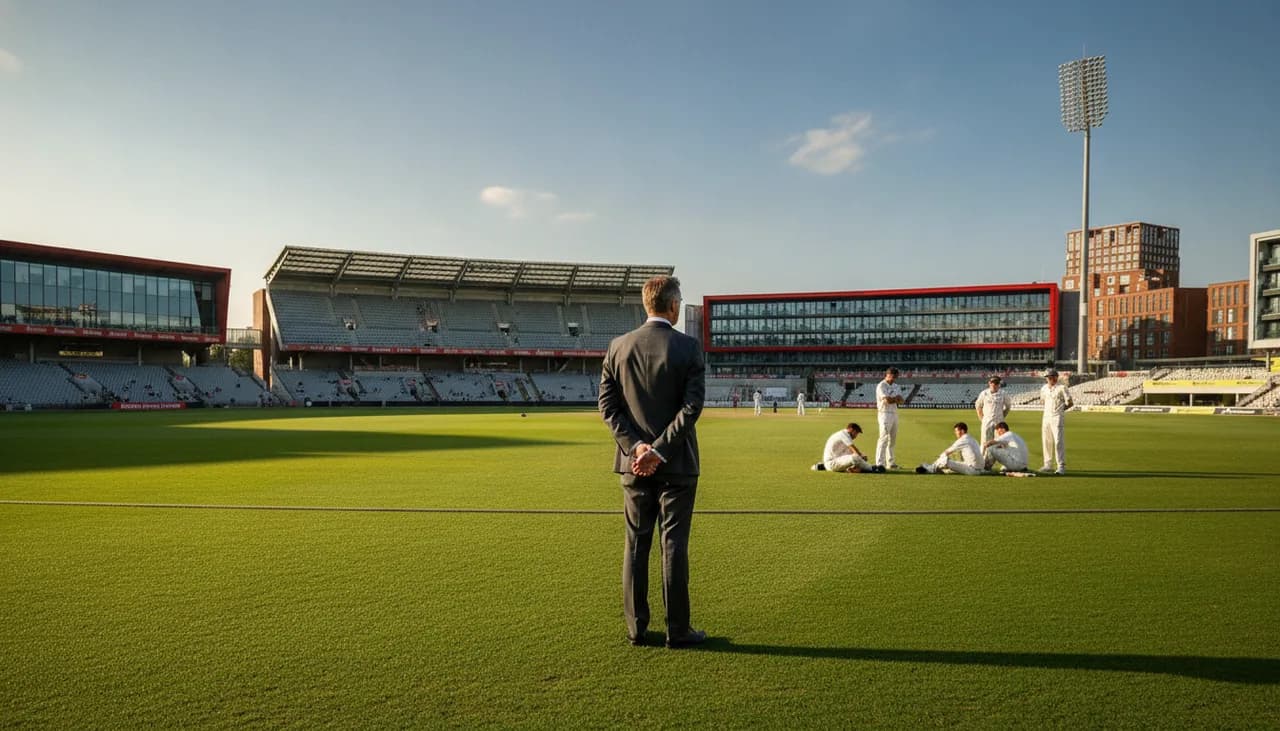
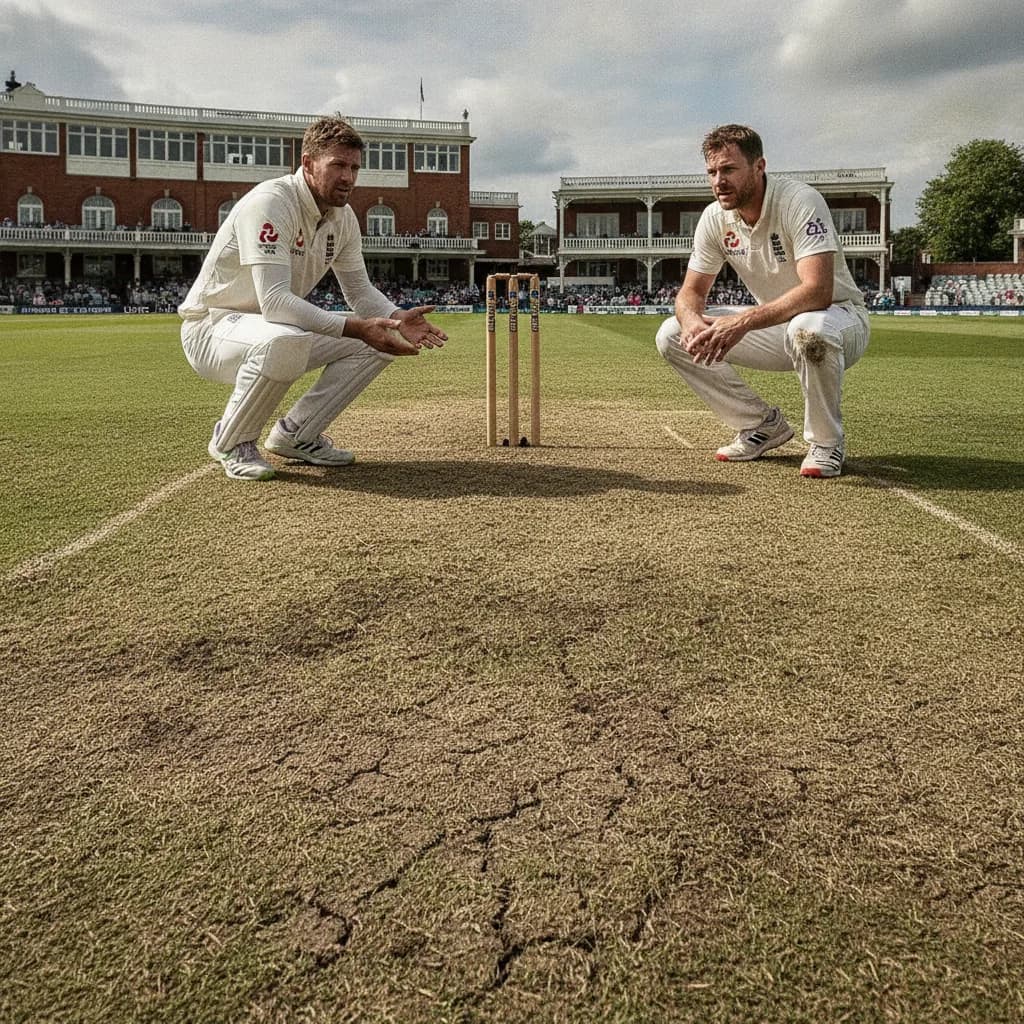
In a significant shake-up to the Lancashire Cricket Club's coaching structure, former England all-rounder Craig White has departed from his role as the county's lead bowling coach. The club confirmed the news, marking the end of White's three-season tenure at Emirates Old Trafford that began ahead of the 2021 campaign.
A Sudden Departure Mid-Season
The announcement, made in late May 2024, came as a surprise to many followers of the Red Rose county. White's departure was effective immediately, leaving a notable void in the backroom staff led by head coach Dale Benkenstein. The club's brief statement expressed gratitude for White's contributions, "Lancashire Cricket would like to thank Craig for his efforts and wishes him the best for the future."
No specific reason was given for the mid-season exit, which occurred just as the team was navigating the intense schedule of the County Championship's early summer fixtures and the T20 Blast. This timing underscores the often unpredictable nature of professional sports coaching roles, where philosophies and personnel can change rapidly in the pursuit of success.
White's Coaching Legacy at Lancashire
Craig White arrived at Lancashire with a formidable reputation, both as a former international cricketer and as a respected coach. His playing career for England and Yorkshire, marked by genuine pace and aggressive batting, gave him a wealth of experience to draw upon. During his time with Lancashire, he was instrumental in the development of the county's pace attack.
Under his guidance, several bowlers made significant strides. Most notably, he played a key role in the rise of England quick Saqib Mahmood, helping refine his action and develop the lethal in-swinging yorker that has become a trademark. He also worked extensively with the likes of Tom Bailey, Luke Wood, and Will Williams, fostering a cohesive and effective bowling unit. Reflecting on his time at the club, White was quoted saying, "I've thoroughly enjoyed my time at Lancashire and I wish the players and staff all the very best for the rest of the season and beyond."
His coaching philosophy was often described as pragmatic and player-centric, focusing on building confidence and empowering bowlers to execute their plans under pressure. The tangible results of his work were seen in Lancashire's consistent ability to take 20 wickets in first-class matches, a cornerstone of their red-ball strategy.
The Ripple Effect on the Squad
The immediate aftermath of White's departure has seen a redistribution of coaching responsibilities within the existing staff. Head Coach Dale Benkenstein and Assistant Coach Mark Chilton have assumed temporary oversight of the bowling group. This internal solution provides stability but also raises questions about a potential permanent appointment from outside the club.
For the players, adapting to a new voice and a potential shift in coaching methodology mid-season presents a challenge. The bowler-coach relationship is built on trust and nuanced understanding, and a change can disrupt rhythm and confidence. Key bowlers in the squad now face the task of building a new rapport with their temporary, and eventually permanent, bowling coach while maintaining peak performance. The club's immediate focus will be on ensuring minimal disruption to on-field results.
The club has indicated that a process to identify a long-term successor will begin shortly. In a statement, a club spokesperson said, "The club will now begin the process to appoint a new lead bowling coach and will make no further comment at this time."
A Look at Craig White's Illustrious Career
To understand the significance of his departure, one must appreciate Craig White's standing in the game. Born in Morley, West Yorkshire, White was a dynamic cricketer who represented England in 30 Tests and 51 One-Day Internationals between 1994 and 2003. He was a genuine all-rounder, capable of bowling at sharp pace and contributing vital runs in the middle order.
His international highlights are memorable:
- A blistering century off just 88 balls against India at the Narendra Modi Stadium in 2002.
- A match-winning five-wicket haul against the same opposition at Lord's in 2002.
- Being a key member of England's ODI squad that competed in the 1999 and 2003 World Cups.
Following his retirement, White transitioned seamlessly into coaching. Before his stint at Lancashire, he served as a bowling coach for the England Lions and had a previous association with Yorkshire. His deep understanding of the fast-bowling art, forged through his own experiences on the international stage, made him a valuable asset to any dressing room.
What's Next for Lancashire and White?
For Lancashire, the search for a new lead bowling coach will be crucial. The club has ambitions of winning trophies across all formats, and a strong, specialized bowling coach is essential to that goal. The new appointee will inherit a talented group but will face the immediate pressure of delivering results in a highly competitive county landscape. The club's hierarchy will be looking for a candidate who can not only continue the technical development of the bowlers but also bring fresh ideas and energy to the role.
As for Craig White, his departure opens a new chapter in his own coaching career. Given his experience and proven track record, he is likely to be a sought-after name for other coaching vacancies within the county circuit or potentially in franchise T20 leagues around the world. His knowledge of the game remains a significant commodity, and it would be a surprise if he remained out of the professional setup for long.
Conclusion: An Era of Development Concludes
Craig White's exit from Lancashire Cricket Club brings a definitive end to a productive three-year period. He arrived as a proven coach and leaves having made a tangible impact on the skills and careers of the county's bowlers. While the circumstances of his mid-season departure invite speculation, the public narrative remains one of mutual respect and well-wishing.
The challenge now lies with Lancashire to navigate this transition smoothly and ensure that the positive trajectory of their bowling unit is not derailed. For the fans and players at Emirates Old Trafford, the focus shifts to the future, awaiting the announcement of the next individual tasked with guiding the club's attack. As one chapter closes, another begins, with the perennial hope for silverware burning as brightly as ever.