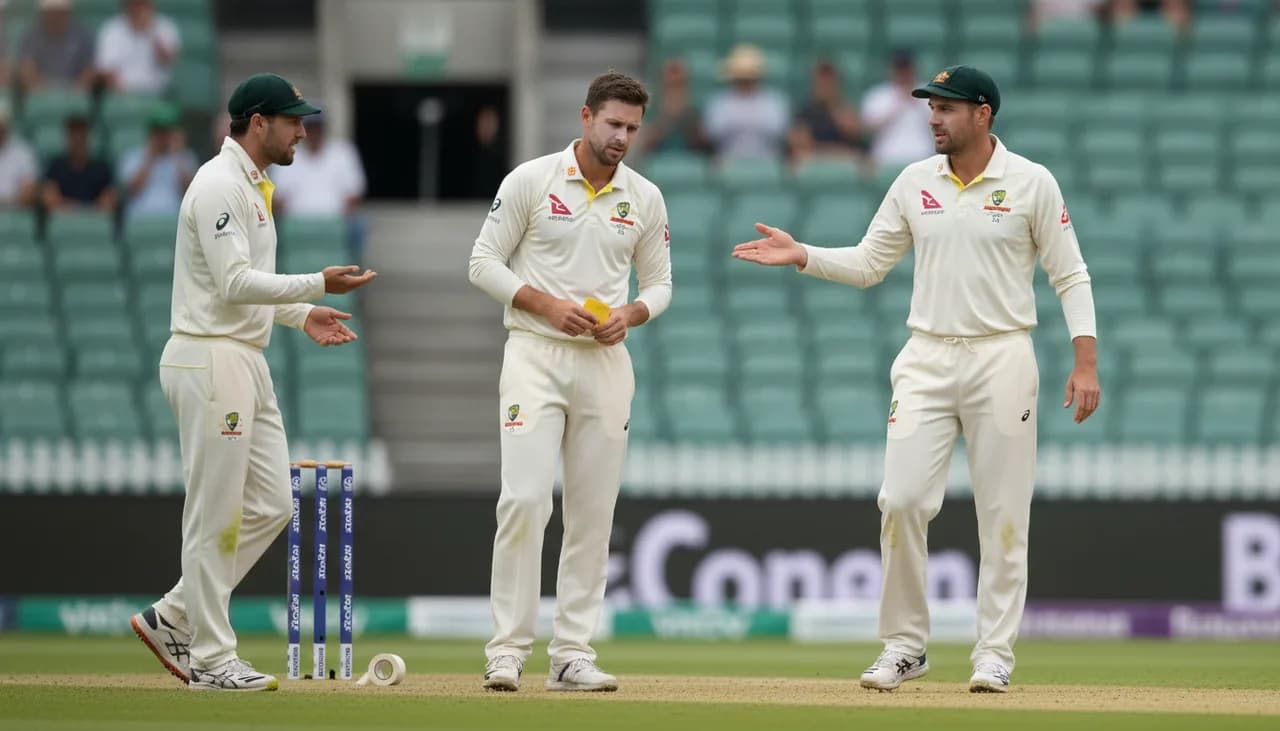

BRISBANE — The dust has settled on a brutal first Ashes Test defeat at the Gabba, and the scoreline makes for grim reading for England. A 276-run loss, a batting collapse, and a bowling attack that struggled for penetration have left many writing off their chances of reclaiming the urn. Yet, within the England camp and among the more optimistic observers, there are glimmers of hope. While all hope may seem lost, BBC Sport looks at five reasons England can be positive before the second Ashes Test against Australia in Brisbane.
1. The Return of Ben Stokes, The Ultimate X-Factor
The absence of Ben Stokes in the first Test was a psychological and tactical blow of seismic proportions. His mere presence changes the complexion of any side. As a batsman, he provides the middle-order steel and explosive counter-punching that can demoralise attacks. As a bowler, he offers a crucial fifth option, a partnership-breaker with golden-arm syndrome, and vital overs of respite for the frontline quicks. More than his skills, he brings an unshakeable belief and competitive fury that lifts everyone around him. Captain Joe Root summed it up perfectly: "He's one of the best players in the world. He's a proven match-winner. Having him back in the side, with everything he brings, is a huge boost for us." A fit and firing Stokes transforms the balance of the entire team.
2. Batting First: A Chance to Apply Scoreboard Pressure
England were inserted on a green-tinged Gabba pitch under gloomy skies—a nightmare scenario for any touring side. While their batting was undoubtedly frail, the conditions heavily favoured the Australian seamers. The forecast for the start of the second Test in Brisbane is significantly sunnier. If England win the toss this time, the opportunity to bat first on a flatter deck cannot be underestimated. Building a substantial first-innings total, something they haven't done in Australia since 2010, is the single biggest key to competing. It allows their bowlers to rest, puts pressure on Australia's sometimes fragile top order, and lets England's spinners operate with a score behind them. The blueprint for success in Australia has always been built on big first-innings runs.
3. The Pink Ball and England's Nightmare Specialists
The second Test is a day-night affair with the pink Kookaburra ball. Historically, England's record with the pink ball is superior to Australia's. They have won their last three day-night Tests, including a comprehensive victory in Adelaide on the 2017-18 tour. More importantly, their premier bowlers are perfectly suited to these conditions. James Anderson and Stuart Broad, should they both play, become exponentially more dangerous under lights. The pink ball often retains its shine longer and can swing prodigiously in the evening session. Anderson, in particular, is a master of these conditions. Furthermore, the twilight period can create significant challenges for batsmen, something England's disciplined attack is well-placed to exploit. Australia's record in day-night Tests is strong, but the conditions could act as a great leveller.
Key Advantages Under Lights:
- The swing and seam movement for England's veteran seamers.
- Proven tactical nous from Root and his bowlers in this specific format.
- Disrupting the rhythm of Australia's batsmen in challenging light.
- A chance to attack David Warner early with the moving ball.
4. Room for Improvement is Glaringly Obvious
Paradoxically, the scale of the first Test failure is a source of optimism. England were poor in almost every department, yet the match was not a complete rout from the first session. There were moments—Ollie Pope's first-innings resistance, Dawid Malan looking settled alongside Root in the second—that showed they can compete. The areas for improvement are clear and, in theory, addressable:
The top order must see off the new ball. The fielding, which included several dropped catches, must be razor-sharp. The bowling lengths need to be fuller and more consistent. As bowling coach Jon Lewis noted, "We know we didn't get it right at the Gabba. We've reviewed it honestly. The beauty of a five-Test series is you get a chance to put it right quickly." A marginal improvement in these basic disciplines could dramatically alter the contest.
5. History and Momentum are Fickle Beasts
Cricket history is littered with teams bouncing back from heavy defeats. England themselves lost the first Test emphatically in the 2015 Ashes at home, only to win the series 3-2. The psychological blow of the first Test is real, but it can be overcome with one strong session or one individual moment of brilliance. Australia, meanwhile, may face their own challenges: managing Pat Cummins' workload after his first Test as captain, potential complacency, or the pressure that comes with being expected to win. The momentum of a Test series can shift in a single session. England have a squad filled with experienced campaigners who understand this. They know that digging in, winning the key moments in Brisbane, and levelling the series is entirely possible before the show moves to the more traditional venues of Melbourne and Sydney.
In conclusion, while the mountain England must climb is steep, the footholds are there. The return of Ben Stokes is a game-changer, offering a tangible lift in quality and spirit. The different conditions of the day-night Test play to historical English strengths. The simple law of averages suggests their batters are due a score, and their bowlers a more polished performance. The challenge is monumental, but Ashes history is written by teams that defy the immediate narrative. As former captain Michael Vaughan put it, "England were outplayed, but this is a long series. One performance, one partnership, one spell can change everything. They have the players to do it." The Gabba awaits, not just as a scene of past trauma, but as an immediate opportunity for redemption.