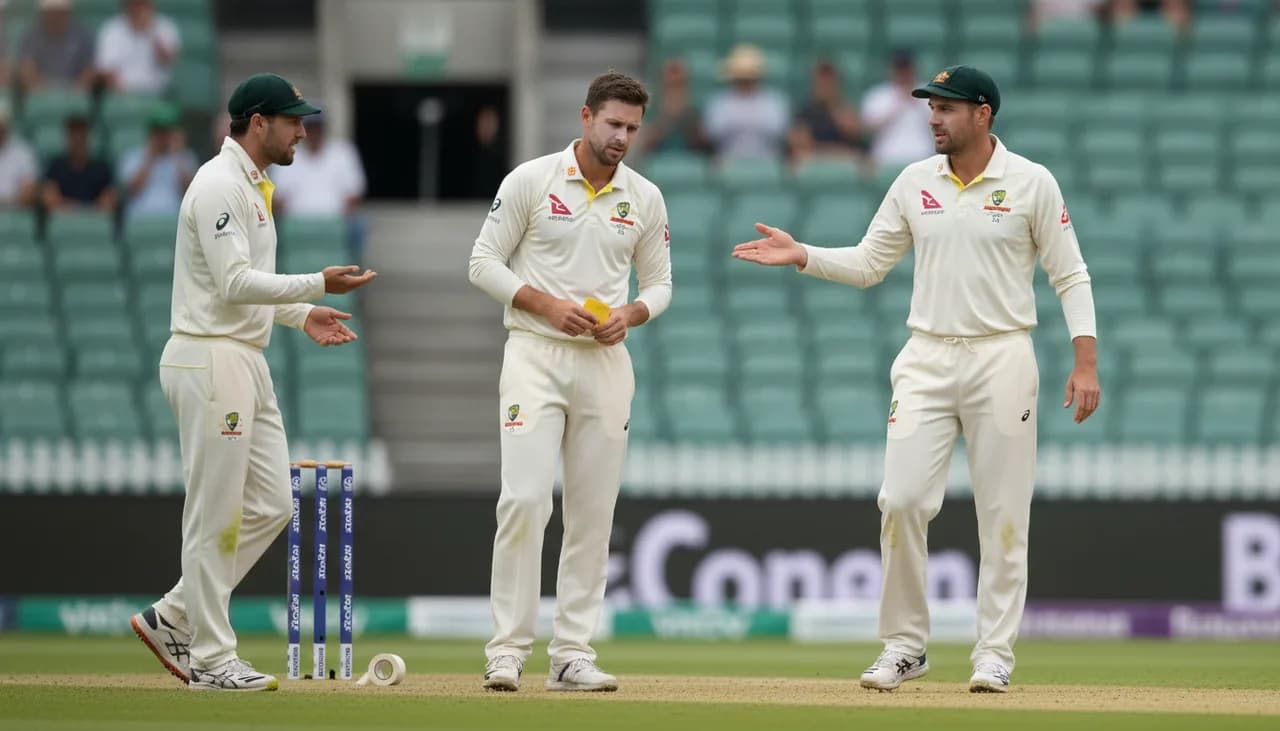
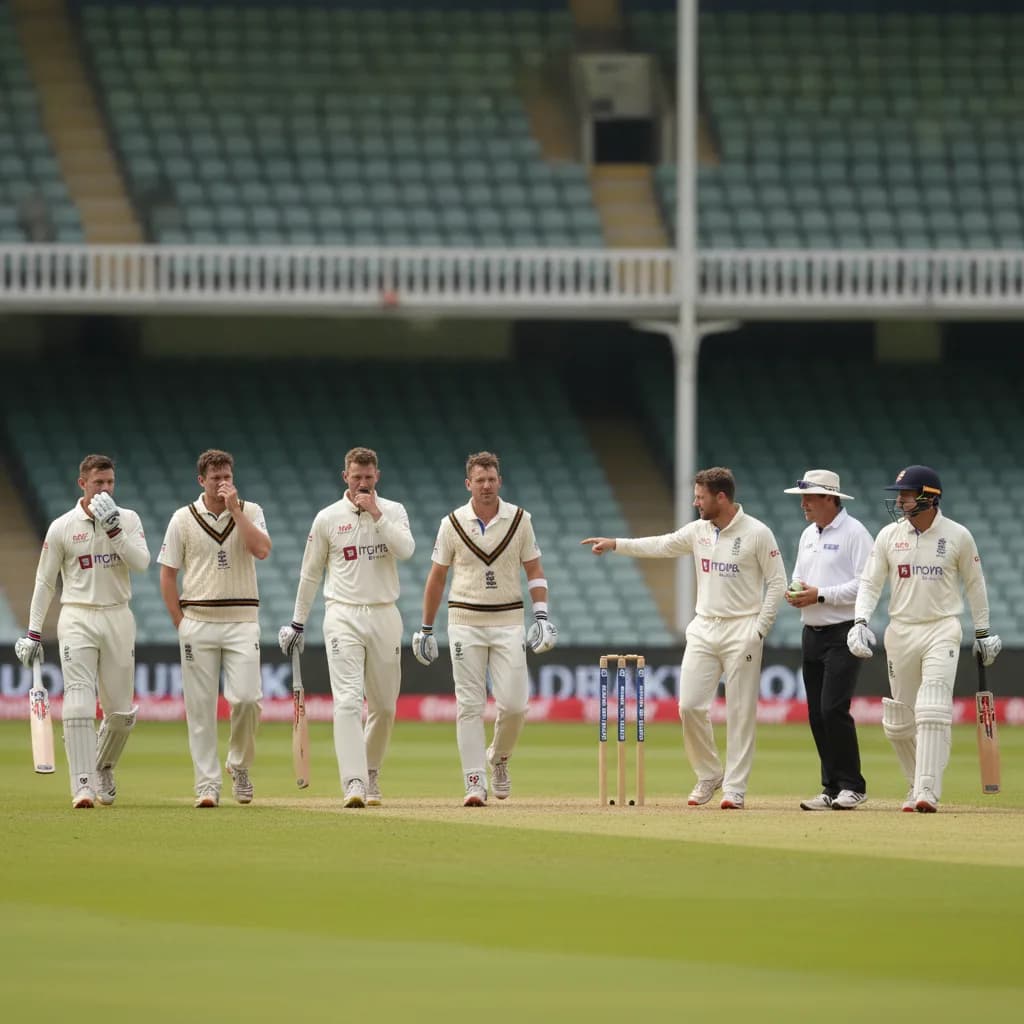
Cricket is a sport packed with obscure regulations and tactical wrinkles that rarely see the light of day — and few are more unusual than the decision to forfeit an innings. When Middlesex chose to do exactly that during their rain-ravaged County Championship match against Derbyshire earlier this month, it served as a timely reminder that this peculiar option even exists. But just how frequently does it actually happen, and what drives a captain to take such a drastic step?
What Happened at Derby?
The match at the County Ground in Derby was badly disrupted by the weather, with the opening day and day three both completely washed out. That left only two days of meaningful action — not nearly enough time for a conventional four-innings contest to produce a result. When Derbyshire were bowled out for 131 in their first innings on day four, Middlesex's captain faced a decision: bat normally and almost certainly drift towards a draw, or forfeit their first innings entirely and manufacture a genuine run-chase. They chose the latter. Derbyshire posted 111 for 3 in their second innings before the match concluded, with the game ultimately ending in a draw despite the bold gambit. Only 86.1 overs were bowled across the entire match — a figure that tells its own story about just how difficult the conditions were.
How Rare Is an Innings Forfeit?
Middlesex's decision was only the 255th time a team has forfeited an innings throughout the entire history of the County Championship — a competition stretching back well over a century. To put that in perspective, it had not happened at all in the Championship for nearly two years prior to this match, with the last instance occurring in September 2024 when both Gloucestershire and Glamorgan each forfeited an innings in a match at Cardiff. What made the Middlesex versus Derbyshire fixture even more historically notable was the fact that it became only the third occasion in County Championship history where one side batted twice while their opponents did not bat at all. The two previous instances were Durham against Middlesex in June 1993, and — perhaps fittingly — Derbyshire against Middlesex back in July 1988.
When Was It Most Common?
The tactic has gone through distinct periods of popularity. The very first forfeited innings in a County Championship fixture came in July 1966, when Yorkshire gave up their innings en route to a victory over Lancashire. After that solitary case, it did not happen again until 1980, when it occurred four times in a single season — two of those on the very same day, albeit in completely separate fixtures. The tactic then flourished throughout the 1980s and 1990s, with a remarkable 223 of the 255 total incidents crammed into just those two decades. In an era before floodlights, reserves days, and the modern scheduling tools available to counties, captains were far more frequently forced into creative solutions to salvage results from weather-ravaged matches.
It Has Even Happened in Test Cricket
Innings forfeiture is not purely a domestic curiosity. In January 2000, both England and South Africa forfeited an innings during a Test match at Centurion — a first in the history of Test cricket. England ultimately chased 249 and won by two wickets. The episode was later tainted by revelations that South Africa captain Hansie Cronje had orchestrated the arrangement as part of a match-fixing scheme, casting a long shadow over what had otherwise appeared to be a rare act of sporting generosity.
For anyone keeping an eye on the County Championship betting markets, a forfeited innings is usually a strong signal that both sides are willing to take risks to force a result — which can shift in-play odds dramatically. As a former coach, I would always tell my players that the declaration and the forfeit are two of the most underrated weapons in a captain's armoury. Used wisely, they can turn a dead match into a memorable contest. Used poorly, they hand the opposition an advantage they never earned. Middlesex will reflect on the fact that even their bold move could not conjure a victory from such limited opportunity.