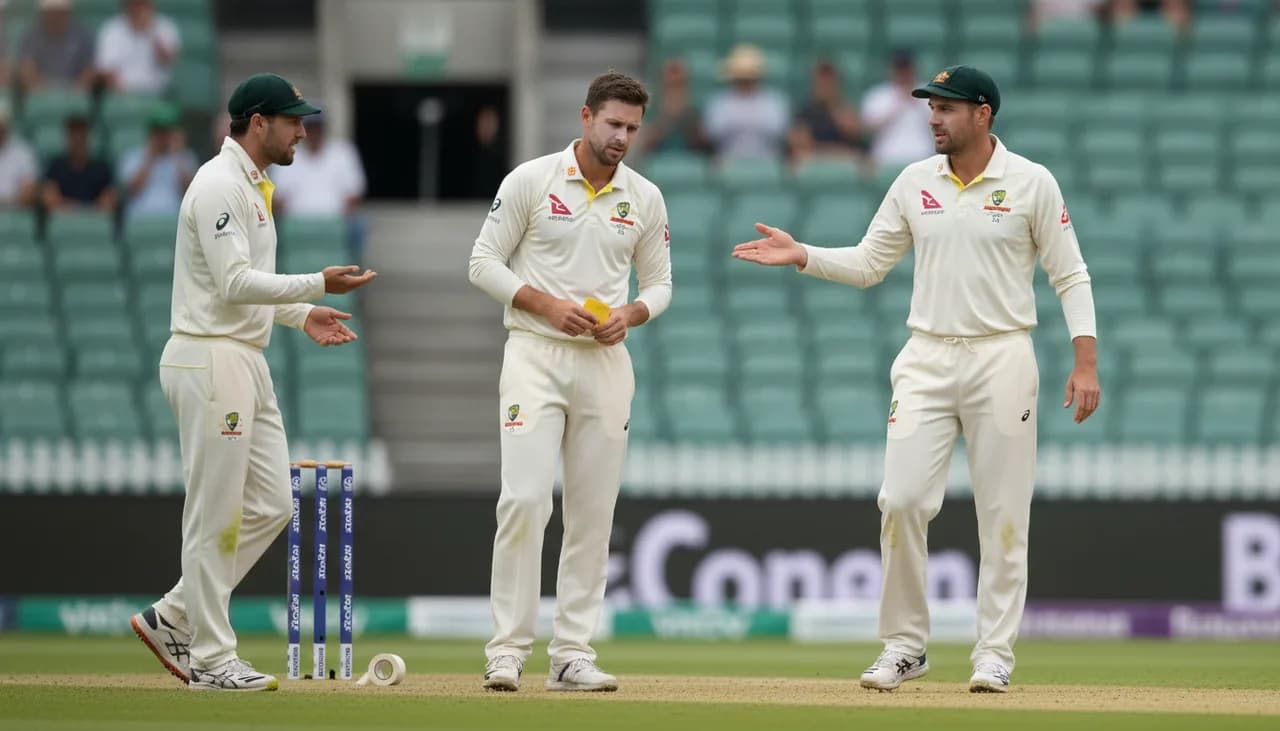
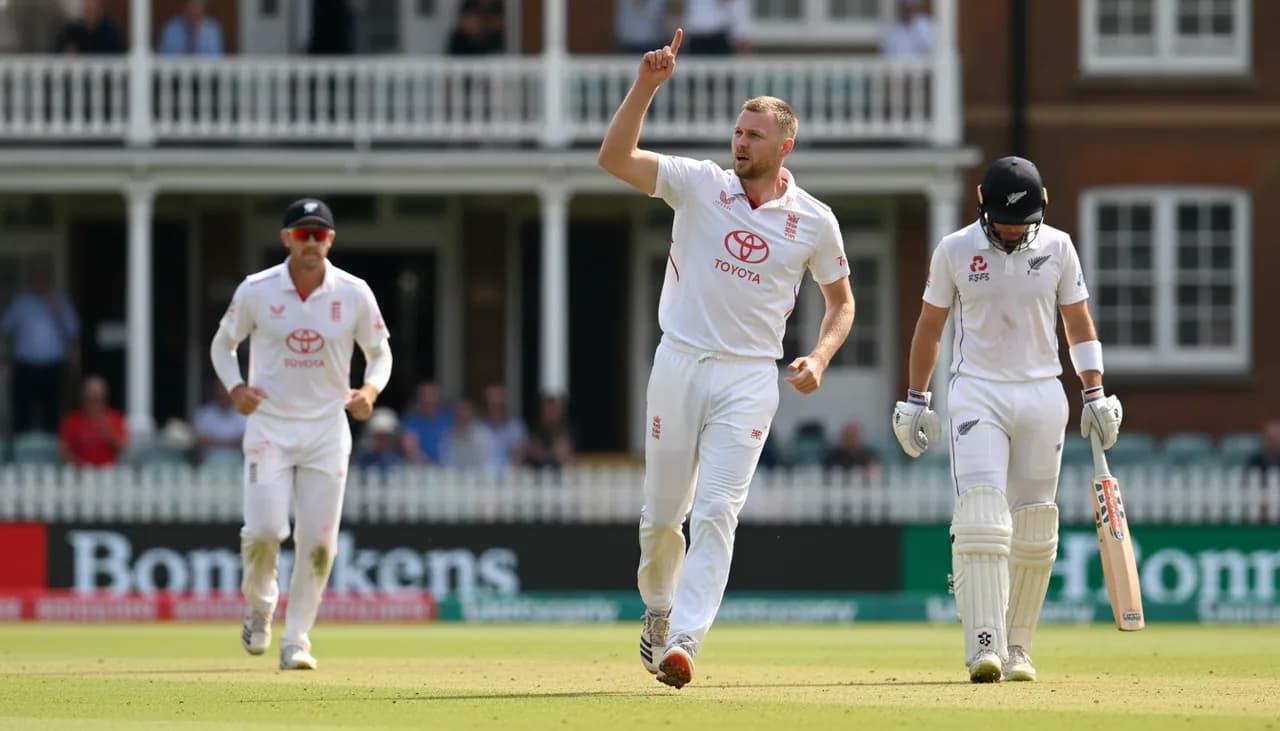
LONDON — The 2023 Ashes series, a 2-2 draw that saw Australia retain the urn, will be remembered as one of the most compelling in recent memory. From Ben Stokes's Headingley heroics redux to Stuart Broad's fairytale farewell, it was a contest dripping with narrative and punctuated by moments of individual brilliance. With the dust settled, the ultimate pub debate begins: who makes a combined XI from the two sides? Picking such a team is a deliciously subjective exercise, balancing consistent performance with match-defining interventions.
The parameters are simple: form across the entire five-Test series is the primary currency, with weight given to those who delivered when it mattered most. Reputation from years past only counts if it was backed up in the summer of 2023. It forces tough calls in almost every department. Do you value the relentless pressure of a workhorse, or the explosive, series-altering spells? Is a rock-solid defensive technique more valuable than counter-attacking flair? Let's build the team, from the top down.
The Top Order: A Foundation of Grit
Constructing a stable top three is paramount. For the openers, one name is non-negotiable: Usman Khawaja. The Australian left-hander was the series' leading run-scorer with 496 runs at an average of 49.60. His monumental 141 in the first Test at Edgbaston set the tone for Australia, and his obduracy at the crease, soaking up over 1,263 deliveries—more than any other player—provided the backbone his side often needed. Alongside him, the choice is less clear-cut. David Warner had a crucial 66 at Lord's, but his struggles against Broad were defining. England's Ben Duckett showed flashes, but his technical flaws were exposed at times. The nod goes to Zak Crawley. His 189 at Old Trafford was the innings of the series, a breathtaking assault that broke the game open. While inconsistent, his 480 runs came at a strike rate of 88, and his positive intent consistently put Australia's bowlers on the back foot.
At number three, there is only one candidate: Marnus Labuschagne. The world's number one batter entering the series had a relatively quiet campaign by his own lofty standards, yet he still ground out 328 runs, including a crucial 111 at Lord's. His technique and concentration under pressure, especially in the first innings, provide the ideal bridge between the openers and the middle order. As former England captain Michael Vaughan noted on BBC Test Match Special, "Labuschagne might not have been at his sparkling best, but he played the situation. At Lord's, on a tricky pitch, his century was pure Test match batting."
The Engine Room: Stokes and the Middle Order
The heart of this combined team beats with the series' two most influential cricketers. At four, Steve Smith secures his place. Like Labuschagne, he wasn't at his omnipotent best, but his 373 runs included two vital centuries: a match-winning 110 at Lord's and a backs-to-the-wall 121 at The Oval. His ability to score big in the first innings of a match remains peerless. At five, the debate ends before it begins: Ben Stokes. The England captain transcended statistics. His 155 at Lord's, a single-handed assault of breathtaking audacity, nearly stole an impossible victory. His declaration at Edgbaston and his tactical bravery defined the series' ethos. He is the spiritual leader and the clutch performer.
The wicketkeeper-batter slot is fiercely contested. Jonny Bairstow's 78 at Edgbaston and 99 at Old Trafford were explosive, but his keeping was error-prone. Alex Carey was neat behind the stumps and played a few handy knocks, but his series will be remembered for the controversial stumping of Bairstow at Lord's. For sheer consistency and impact with the bat, the choice is England's Harry Brook. Though he didn't keep wicket, his 363 runs at a strike rate of 72 included a blistering 75 at Headingley and a crucial 85 at The Oval. He batted with a fearlessness that typified England's approach and consistently shifted momentum.
Key Middle-Order Contributions:
- Stokes's Lord's 155: A superhuman innings that redefined belief.
- Smith's Lord's 110: A masterclass in grafting on a difficult surface.
- Brook's Oval 85: A counter-punch that rescued England from 73-4.
- Travis Head's Manchester 77: A rapid, series-retaining knock under scoreboard pressure.
The Attack: Pace, Persistence, and Panache
The bowling attack presents the hardest choices. Two bowlers pick themselves: Pat Cummins and Stuart Broad. The Australian captain took 18 wickets and led with immense resilience, delivering a match-winning spell at Edgbaston and bowling the final-day overs at The Oval to secure the urn. Broad, in his final series, was England's heart, taking 22 wickets. His spell of 4-19 at The Oval was a perfect farewell, and his relentless duel with David Warner (dismissing him seven times) was a sub-series in itself. For the third seamer, Mitchell Starc's 23 wickets at a strike rate of 43 make a compelling case, particularly for his ability to blast out top order batters. However, Chris Woakes's 19 wickets at an average of 18.15, all in the last three Tests, were transformative. He won the Player of the Series award for his home matches, with his bowling at Headingley and The Oval being decisive. He gets the nod for his control and impact.
The spinner's role is straightforward. Nathan Lyon's series-ending injury at Lord's was a pivotal moment, but before that, he had shown his class. England's Moeen Ali battled a blistered finger and was expensive at times. Therefore, the lone spinner is Australia's Todd Murphy. The young off-spinner stepped into Lyon's enormous shoes at Headingley and took seven wickets across two innings on a seamer's deck, showing remarkable composure and skill beyond his years. As Australian great Ricky Ponting observed on Sky Sports, "Murphy's performance at Leeds, under that pressure, was one of the most promising signs for Australia all summer. He didn't just fill a gap; he announced himself."
The Final Combined XI and Captain
So, after much deliberation, the combined Ashes XI of 2023 lines up as follows:
- Usman Khawaja
- Zak Crawley
- Marnus Labuschagne
- Steve Smith
- Ben Stokes (c)
- Harry Brook
- Alex Carey (wk)
- Chris Woakes
- Pat Cummins
- Todd Murphy
- Stuart Broad
The captaincy is bestowed upon Ben Stokes. While Pat Cummins's leadership in retaining the urn was admirable, Stokes's aggressive, paradigm-shifting approach defined the character of the entire series. He made it must-watch theatre. The balance of the side offers solidity at the top, explosive power through the middle, and a versatile attack with Cummins and Broad with the new ball, Woakes as the relentless seamer, Stokes as the enforcer, and Murphy as the spinning option.
Conclusion: A Series of Fine Margins
This exercise underscores how evenly matched the two sides were. Notable omissions like Mitchell Starc, Travis Head, and Mark Wood highlight the depth of talent on display. Ultimately, Australia achieved their primary goal of retention, but England's bold style won many admirers and ensured the Ashes' place as Test cricket's crown jewel. This combined team, forged from five brutal Tests, is a tribute to the individuals who rose to the occasion, providing moments of skill, drama, and sheer will that will be recounted for years to come. The debate, of course, is never settled—which is precisely the point of Ashes cricket.