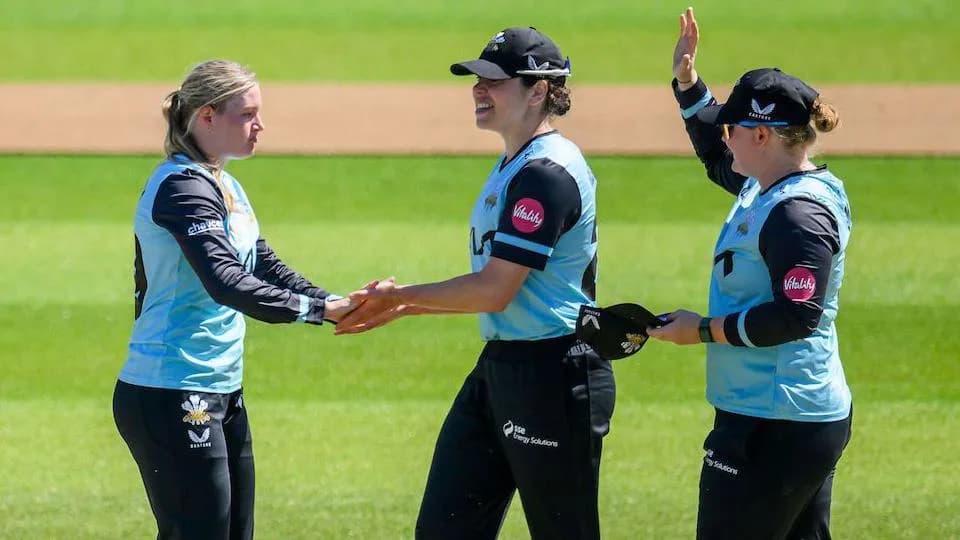

From the depths of an Ashes humiliation to the cusp of a World Cup final in the space of eight months, the revival of the England women's cricket team has been nothing short of remarkable. At the heart of this stunning turnaround are two pivotal figures: the steely, strategic mind of head coach Charlotte Edwards and the world-class, ice-cool brilliance of all-rounder Nat Sciver-Brunt. Their combined influence has not only steadied a sinking ship but has propelled England back into contention for the sport's biggest prizes, rewriting the narrative around a team that seemed to have lost its way.
The Ashes Debacle: A Necessary Jolt
The summer of 2023 served as a painful but necessary catalyst for change. England's women were thoroughly outplayed on home soil by a dominant Australian side, losing the multi-format Ashes series 12-4 (points) after a 2-1 T20I series defeat sealed their fate. The gulf in class was stark, exposing frailties in batting, bowling, and perhaps most critically, in mentality. It was a reality check that shook the entire structure. Veteran bowler Katherine Sciver-Brunt had retired just before the series, leaving a leadership and experience void, while long-serving captain Heather Knight was leading a team that seemed to be searching for a new identity. The post-mortem was brutal, but it cleared the deck for a fundamental reset.
The Edwards Era: Instilling a New Fortitude
In stepped Charlotte Edwards, England's most-capped player and a former World Cup-winning captain. Appointed in May 2023, her arrival signaled a return to core principles. Edwards, known for her gritty, determined batting and astute captaincy during her playing days, brought those same qualities to her coaching. Her philosophy was simple yet transformative: "We had to get back to being hard to beat." She focused on building resilience, fostering a culture of accountability, and empowering players to take ownership of their roles. Under her guidance, the environment shifted from one of pressure to one of clarity and purpose.
Edwards' impact was immediately visible in several key areas:
- Batting Aggression: She encouraged a more proactive approach, particularly in the powerplay, moving away from the conservative accumulation that had sometimes hampered them against top attacks.
- Bowling Discipline: A renewed emphasis was placed on building pressure through dot balls and disciplined lines, making scoring difficult rather than searching solely for wickets.
- Fielding Intensity: The fielding, once a weak link, became a weapon, with Edwards demanding and receiving exceptional standards in the field.
The Sciver-Brunt Factor: The World's Best Delivers
While Edwards provided the framework, Nat Sciver-Brunt provided the on-field execution. Arguably the best all-rounder in the women's game, her importance to England cannot be overstated. Her ability to influence a match with both bat and ball gives England a balance that few other teams possess. In the recent T20 World Cup in Bangladesh, she was the tournament's standout performer, a pillar of consistency and calm under pressure. Her statistics were staggering, underscoring her value:
- Batting: 216 runs at an average of 72.00 and a strike rate of 141.17.
- Bowling: 6 wickets at an average of 14.66 and an economy rate of just 5.86.
But her impact goes beyond numbers. In the crucial semi-final against hosts Bangladesh, with England in a precarious position, it was Sciver-Brunt who played the decisive innings, a composed and powerful 58 not out that guided her team to a competitive total and ultimately, a place in the final. Her partnership with young gun Alice Capsey in that match exemplified the new England: fearless, skilled, and clinical. Reflecting on her role, Sciver-Brunt has said, "I just try to assess the situation and do what the team needs from me. It's about being present and clear-headed."
A Seamless Partnership
The synergy between Edwards and Sciver-Brunt is a key component of England's success. Edwards, the tactician, creates the plans and fosters the environment, while Sciver-Brunt, the senior player and vice-captain, is the on-field general who implements them. There is a clear mutual respect and a shared understanding of what it takes to win at the highest level. This partnership has allowed other players to flourish around them. Youngsters like Capsey and Sophia Dunkley have played with more freedom, while bowlers like Sophie Ecclestone and Sarah Glenn have thrived with clear roles and the confidence of their leadership.
From Humiliation to the World Cup Final
The proof of this revival is in the results. The journey from the Ashes defeat to the T20 World Cup final was a masterclass in team development. They navigated a tricky group stage before delivering under immense pressure in the semi-final. While they ultimately fell short in a thrilling final against Australia, the performance was a world away from the team that was dismantled eight months prior. They pushed the world champions to the brink, demonstrating a newfound belief and competitive edge. Captain Heather Knight acknowledged the transformation, stating after the final, "We've come a long way in a short space of time. The character and fight we showed, that's what we're about now. We're back."
The turnaround has been built on a foundation of several critical factors:
- Mentality Shift: Moving from a team that hoped to win to one that expected to compete in every session.
- Strategic Clarity: Every player understands their specific role within the team's broader game plan.
- Embracing Youth: Successfully integrating and backing young talent, creating a vibrant and dynamic squad.
- Leadership Alignment: A cohesive vision shared by the captain, coach, and senior players.
Conclusion: A Bright Future Forged from Adversity
The story of England's resurgence is a testament to the power of strong leadership and world-class talent aligning at the right moment. Charlotte Edwards provided the direction, the grit, and the strategic overhaul needed after a period of stagnation. Nat Sciver-Brunt provided the on-field excellence, the calm under pressure, and the match-winning performances that turned plans into victories. Together, they have not only put England women's cricket back on track but have re-established it as a formidable force. The Ashes humiliation, while painful, proved to be the necessary shock to the system. The journey from there to a World Cup final confirms that under the guidance of Edwards and the inspiration of Sciver-Brunt, England's future is once again blindingly bright.