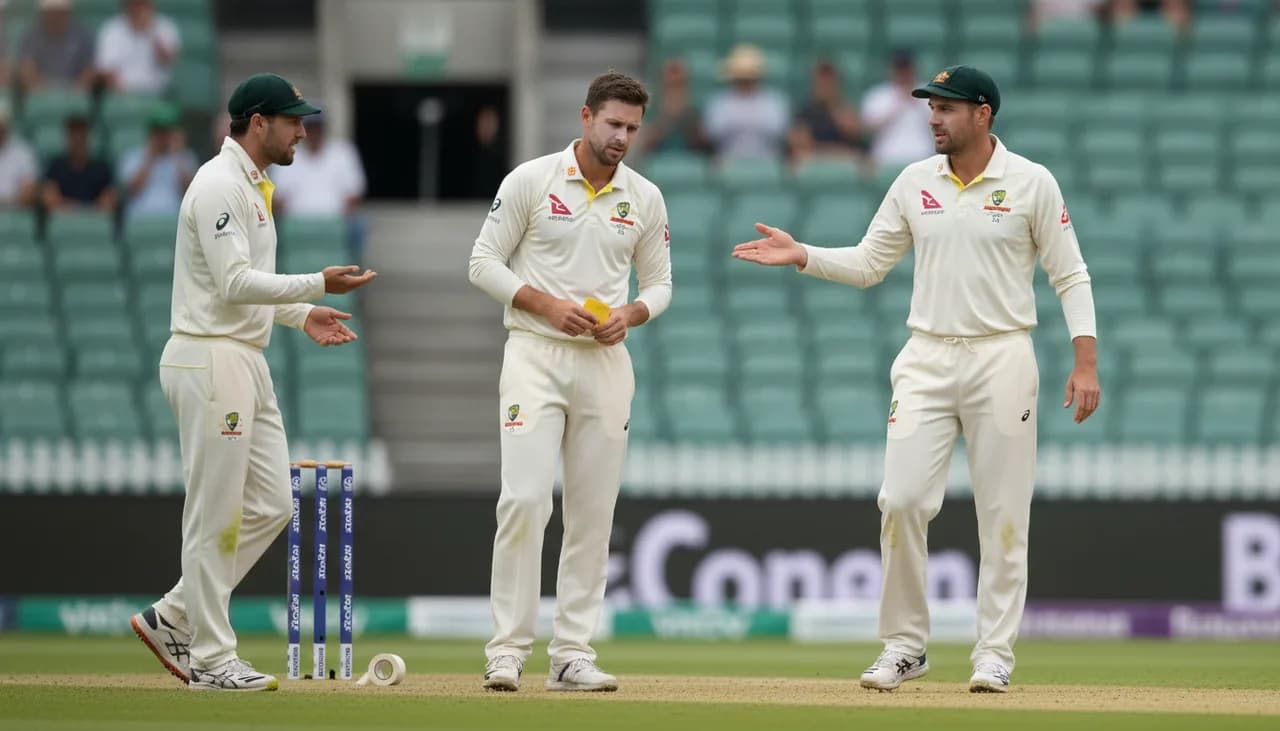
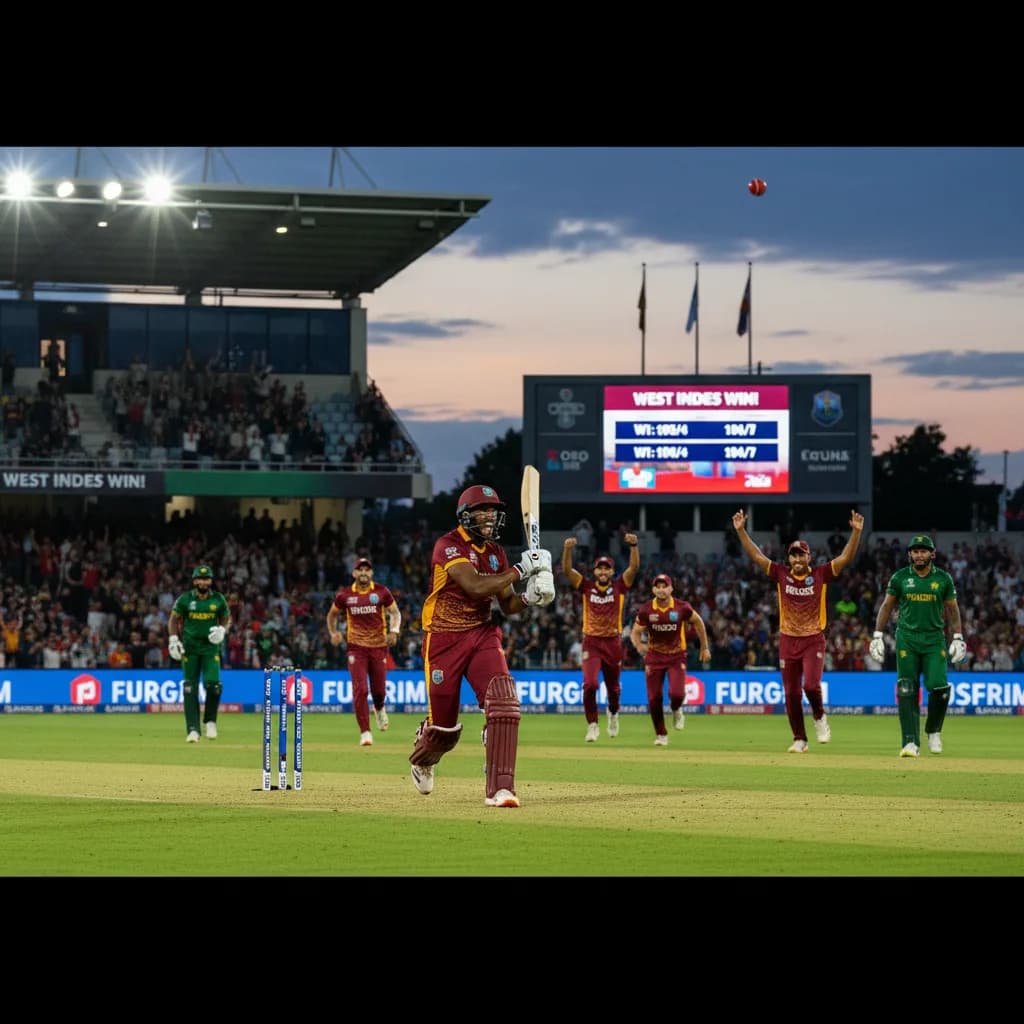
MUMBAI — For the first two weeks of the ICC Men's T20 World Cup 2024, a peculiar anxiety hung over the Indian subcontinent. The narrative wasn't dominated by blistering sixes or cunning spin, but by the ominous presence of rain clouds over the group stage venues in the USA.
The Indian team, led by Rohit Sharma, progressed steadily but without the typical, all-consuming national frenzy. Matches against Ireland and Pakistan were affected by weather, and the tournament's rhythm felt disjointed. It was a slow burn, a cautious ember waiting for the right conditions to ignite into the roaring fire of a billion hopes.
That ignition point was the Super Eight stage in the Caribbean. As the team moved from the uncertain pitches of New York to the classic cricket grounds of Barbados and Antigua, something shifted. India's clinical dismantling of Afghanistan, Bangladesh, and Australia wasn't just a display of skill; it was a statement of intent that finally captured the nation's imagination.
The Slow Drip of a Rain-Soaked Start
The choice of the United States as a co-host was a bold experiment in globalizing the game, but for the Indian fan, it came with a significant drawback: inconvenient time zones and an unfamiliar cricketing landscape. The early morning starts and the sight of a drop-in pitch at Nassau County International Cricket Stadium, which produced low-scoring affairs, created a sense of detachment.
The highly anticipated India-Pakistan clash, usually a cultural event that brings the nation to a standstill, was played out in front of a half-empty stadium in New York under overcast skies. While India secured a nervy victory, the spectacle felt muted. The conversation in offices and on social media was as much about the "unplayable pitch" and the "threat of rain" as it was about Jasprit Bumrah's heroics.
Cricket pundit Harsha Bhogle noted the unusual atmosphere, stating, "There is a palpable sense of the tournament waiting to truly begin. The group stage has felt like a prolonged preamble, with the weather acting as an uninvited third team on the field. The real World Cup will start when the sun comes out in the Caribbean."
The Caribbean Catalyst: A Team Finds its Swagger
The move to the West Indies acted as a catalyst. The pitches were truer, the boundaries shorter, and the crowds more knowledgeable and passionate. More importantly, the Indian team, unshackled from the tricky conditions of New York, began to play a brand of cricket that resonated with its identity.
Rohit Sharma’s blistering 92 against Australia in St. Lucia was a masterclass in aggressive intent, a stark contrast to the cautious batting seen in New York. It was an innings that screamed, "This is how we play." Simultaneously, the bowling attack, led by the ever-dependable Bumrah and complemented brilliantly by the spin of Kuldeep Yadav, began to look impregnable.
The team's success was built on a clear and effective strategy that finally clicked into place during the Super Eights. The key pillars of their game plan included:
- Powerplay Aggression: Rohit Sharma and Virat Kohli took calculated risks in the first six overs, setting a strong platform.
- Middle-overs Control: The spin duo of Kuldeep and Axar Patel choked the run flow and took crucial wickets.
- The Bumrah Factor: His ability to take wickets at any stage, especially in the death overs, was a constant threat.
A Billion Hearts Beat as One: The Nation Wakes Up
As the team advanced, so did the nation's engagement. The semi-final against England was a prime-time event in India. Streets emptied, and social media feeds were flooded with the blue jersey. The emphatic 68-run victory was more than a win; it was a catharsis for the heartbreak of the 2022 semi-final and the 2023 ODI World Cup final loss.
The final against South Africa in Barbados was the culmination of this journey. For 90% of the match, it seemed India had the trophy in the bag. Then, a stunning counter-attack from Heinrich Klaasen threatened to snatch it away. The emotional whiplash experienced by fans across the country was visceral. Former Indian cricketer Sanjay Manjrekar captured the moment on commentary, "The nation holds its breath. You can feel the tension from Mumbai to Chennai."
The final three overs, bowled by Hardik Pandya, Arshdeep Singh, and Jasprit Bumrah, were a masterclass in nerve and skill under extreme pressure. When Suryakumar Yadav took his breathtaking, boundary-line catch to dismiss David Miller, the dam of emotion broke. The victory was not just celebrated; it was felt in a way that had been missing earlier in the tournament.
What the Triumph Proved: The Power of the Platform
India's eventual World Cup success showed what is possible when the team is given the right platform to perform. The initial group stage, hampered by external factors, had suppressed the natural connection between the team and its fans. The move to a traditional cricketing heartland provided the stage for that connection to be re-established in its most potent form.
Captain Rohit Sharma, in the post-match press conference, acknowledged the journey, saying, "We knew we had to be patient. The start was tricky for everyone, but we always believed that if we played our brand of cricket on good wickets, the results would come. And more than the results, the love from the people back home... that is what fuels us."
The 2024 T20 World Cup will be remembered not just for ending India's 11-year ICC trophy drought, but for the dramatic arc of its narrative. It demonstrated that World Cup fever in India isn't a given; it's a force that needs the right conditions to flourish. It requires high-stakes matches, iconic venues, and a team playing with fearless flair. When all those elements aligned in the Caribbean, a billion people finally, and wholeheartedly, embraced the fever.