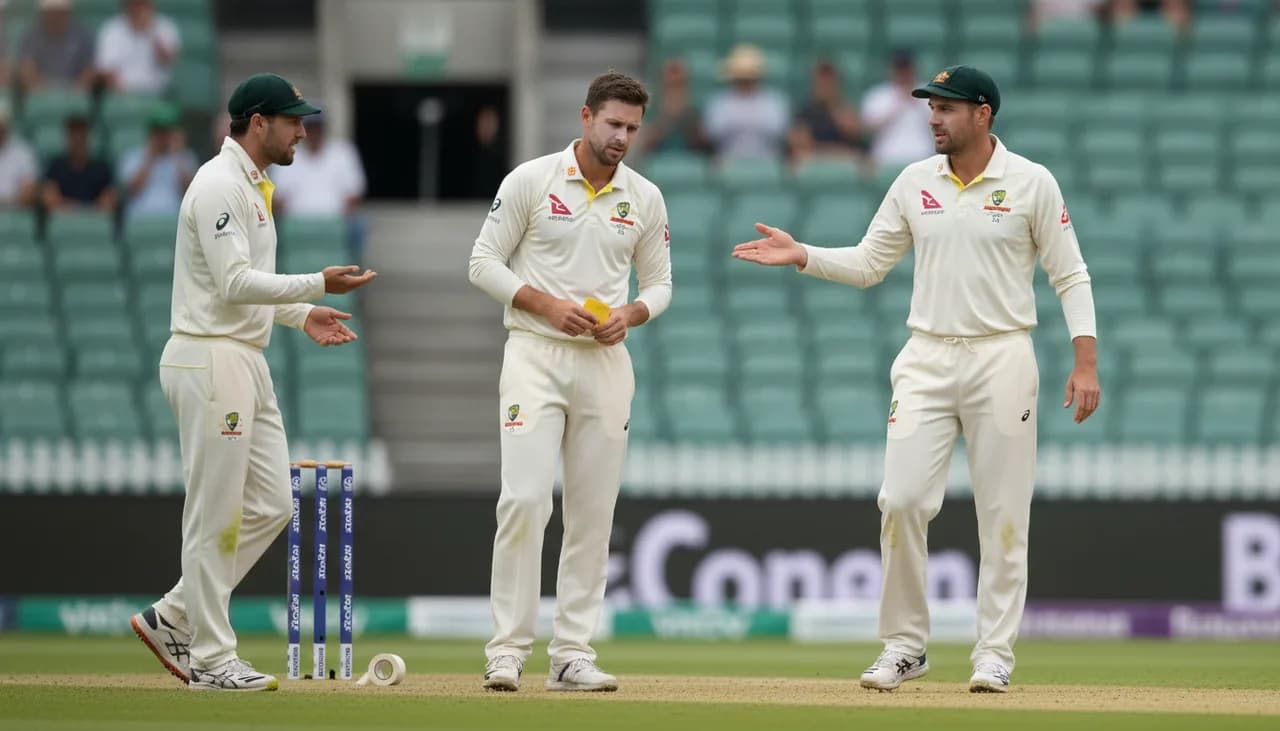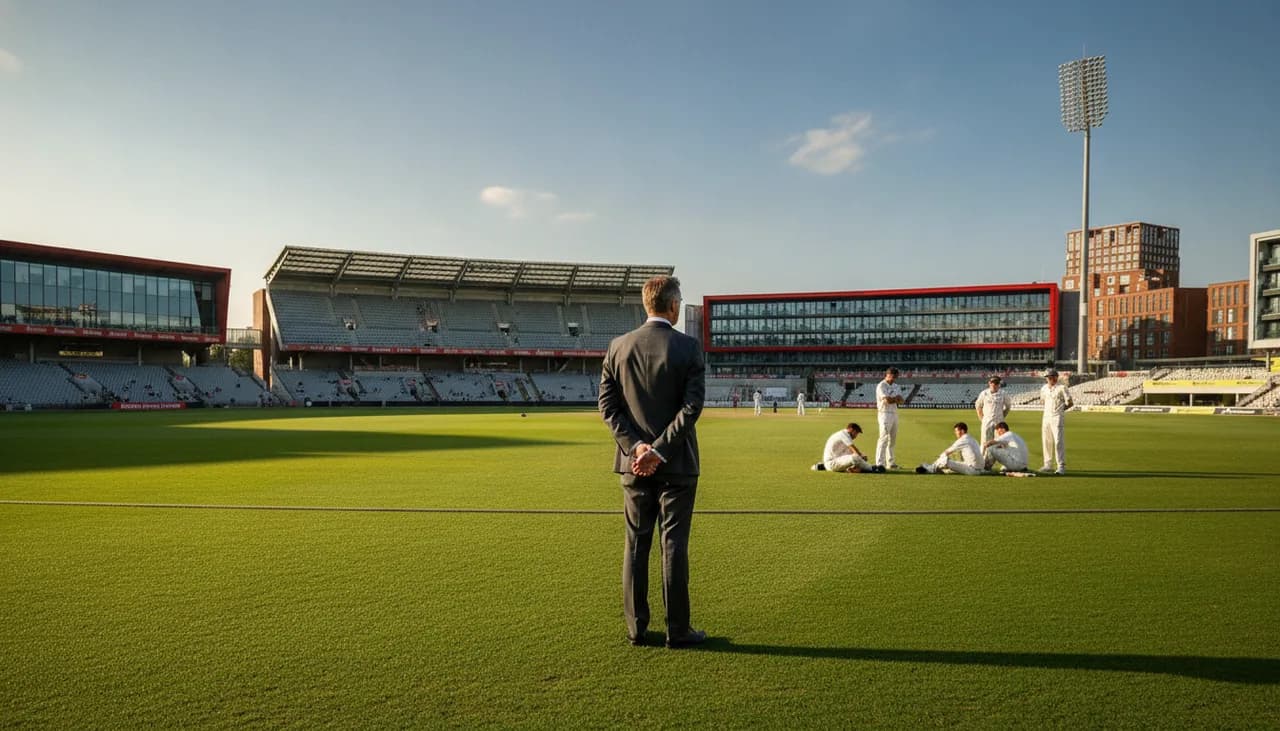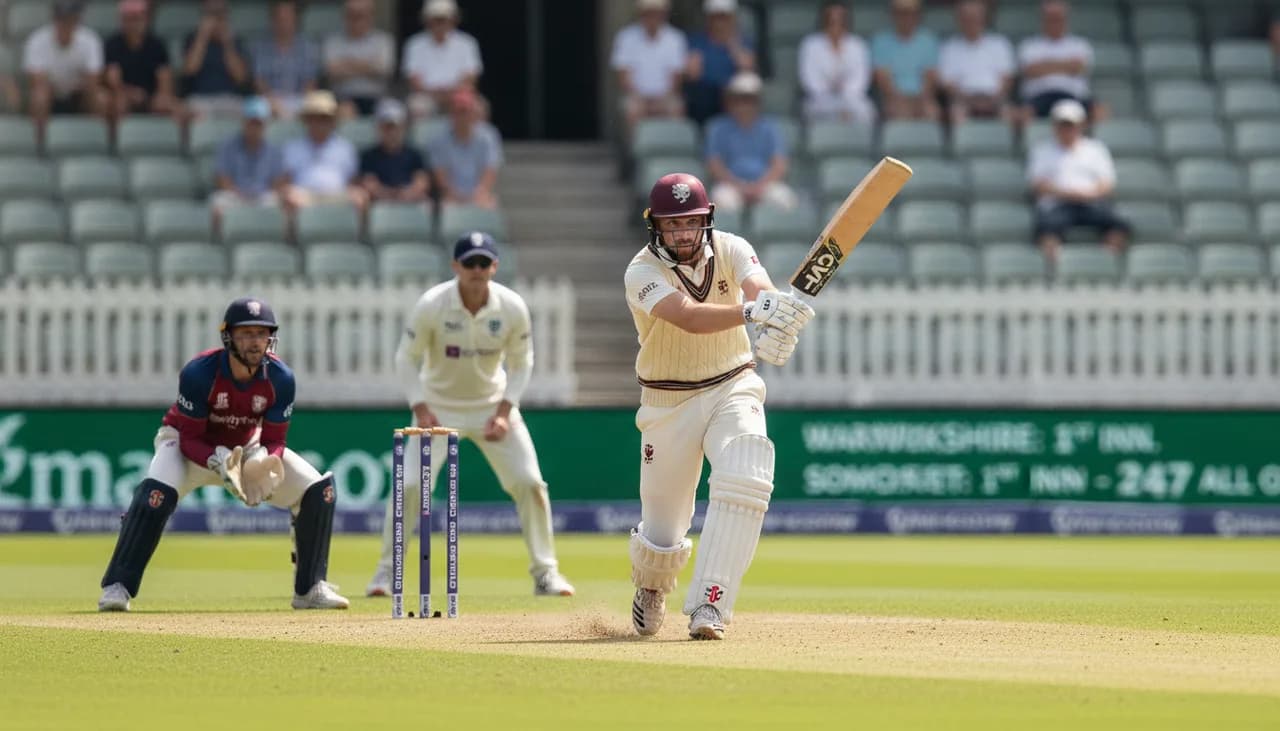
The Adelaide Oval, with its iconic scoreboard, cathedral views, and raucous Hill, is more than just a cricket ground; it's a theatre of dreams and nightmares in the storied history of the Ashes. While the first day-night Ashes Test in 2021-22 brought a new, pink-ball dimension to the rivalry, the ground's legacy is built upon decades of sun-drenched, traditional contests that have shaped series and defined careers. So, how much do you really know about past Ashes games in Adelaide? Let's journey beyond the recent headlines and test your memory of the moments that forged its legend.
The "Timeless Test" and the Birth of a Tradition
The very first Ashes Test at the Adelaide Oval began on December 12, 1884, and it was a match of extraordinary proportions. Scheduled as a "timeless Test" to ensure a result, it stretched over six days of play (only four days were actually possible due to a Sunday rest day and rain). England, led by Allan Steel, amassed a mammoth 369, largely thanks to a brilliant 124 from Walter Read. Australia, captained by Billy Murdoch, responded with 292. Forced to follow on, the hosts were in deep trouble at 154/6 in their second innings, still 77 runs behind, when time finally ran out. The draw established a pattern of high-scoring, closely-fought contests that would become Adelaide's signature.
The Bodyline Fortress and Bradman's Defiance
The 1932-33 Ashes series, infamously known as the Bodyline series, saw its most critical and explosive battle at Adelaide. By the time the teams arrived for the third Test, tensions were at a boiling point. Australian captain Bill Woodfull and wicketkeeper Bert Oldfield had been struck by Harold Larwood's ferocious short-pitched bowling. The crowd was hostile, and diplomatic cables flew between the Australian and English cricket boards. Amid this firestorm, Don Bradman played one of his most significant innings. On a "sticky dog" pitch after rain, he made a defiant, unbeaten 66 out of a total of just 193, a masterclass in conditions that should have favoured the bowlers. England, however, secured a vital victory, a key step in their controversial series win.
The Tied Test: Cricket's Greatest Drama
No discussion of Adelaide Ashes lore is complete without the 1990-91 classic, only the second tied Test in history. The match was a rollercoaster. England, inspired by David Gower's elegant 117, posted 386. Australia replied with 335, setting the stage for a frantic finale. Chasing 246 to win, Australia needed 37 runs with four wickets left, then 18 with two wickets in hand. The final over, bowled by Phil Tufnell to Craig McDermott, is etched in memory. With the scores level and one wicket remaining, McDermott was adjudged LBW. The result was a statistical marvel and an emotional whirlwind. As Richie Benaud famously said in commentary, "It's all over! It's a tie! The crowd doesn't believe it. The players don't believe it!"
The 2006-07 "Whitewash" Declaration and Pietersen's Charge
Ricky Ponting's Australia was a ruthless machine in the 2006-07 series, and their Adelaide performance was a masterclass in psychological dominance. After amassing 513/9 declared, they watched England pile up 551/6 declared, with Paul Collingwood making 206 and Kevin Pietersen 158. Rather than play safe, Ponting enforced the follow-on. Shane Warne and Stuart Clark then bowled Australia to an improbable victory, breaking English hearts and setting the tone for a 5-0 whitewash. Fast-forward to 2010-11, and Adelaide witnessed a different kind of dominance. England, under Andrew Strauss, batted Australia into the ground, scoring 620/5 declared. Jonathan Trott and Alastair Cook made centuries, but the innings is best remembered for Kevin Pietersen's breathtaking 227, a display of sheer power and arrogance that crushed Australian spirits and helped secure a series-winning victory.
Modern Miracles and Agonising Collapses
The 21st century has added its own dramatic chapters. Who could forget the 2002-03 match, where Michael Vaughan announced himself to the world with a sublime 177, and Andy Caddick took seven wickets to secure a stunning win? Or the agony of 1994-95, when England, needing just 106 to win, collapsed to 92/8 before bad light and rain saved them, prompting captain Michael Atherton's weary quote: "We dodged a bullet there." More recently, the 2017-12 day-night Test saw England's James Anderson bowl a spell for the ages under lights, taking 5/43, but Australia's first-innings lead proved just enough.
Memorable Feats and Characters
Beyond the team results, Adelaide has been a stage for individual brilliance. The ground has witnessed:
- Ian Botham's All-Round Rampage (1986-87): A blistering 138 and five wickets in a man-of-the-match performance.
- Shane Warne's "Ball of the Century" Sequel (2006-07): While not his first, his dismissal of Andrew Strauss here, pitching outside leg and hitting off, was a vintage Warne masterpiece.
- Alastair Cook's Marathon (2010-11): His 148 in the second innings was a lesson in concentration, batting for over six hours to seal the match.
- Mitchell Johnson's Fear (2013-14): While he took fewer wickets here than elsewhere, his mere presence and pace cast a shadow over the entire match, contributing to England's mental disintegration.
Conclusion: More Than Just a Cricket Match
An Ashes Test in Adelaide is an event that transcends sport. It's about the searing heat of a December day, the cool relief of a evening breeze, the sound of leather on willow echoing off the old stands, and the collective gasp or roar of a knowledgeable crowd. From the timeless struggles of the 19th century to the high-pressure drama of the modern day-night game, the Oval has curated a collection of memories that are integral to the Ashes tapestry. It's a ground that rewards patience, punishes lapses in concentration, and forever promises the possibility of magic. So, the next time an Ashes Test begins in Adelaide, remember you're not just watching a game—you're witnessing history in a living museum of cricket drama.