INDIA — Women's cricket in India has undergone a remarkable transformation over the past decade, evolving from a niche sport to a mainstream phenomenon. Former India captain Mithali Raj, one of the game's most iconic figures, recently spoke to BBC Sport about how the 2017 World Cup final run and the launch of the Women's Premier League (WPL) have been pivotal in elevating the sport's profile in the country.
The Turning Point: 2017 World Cup Final
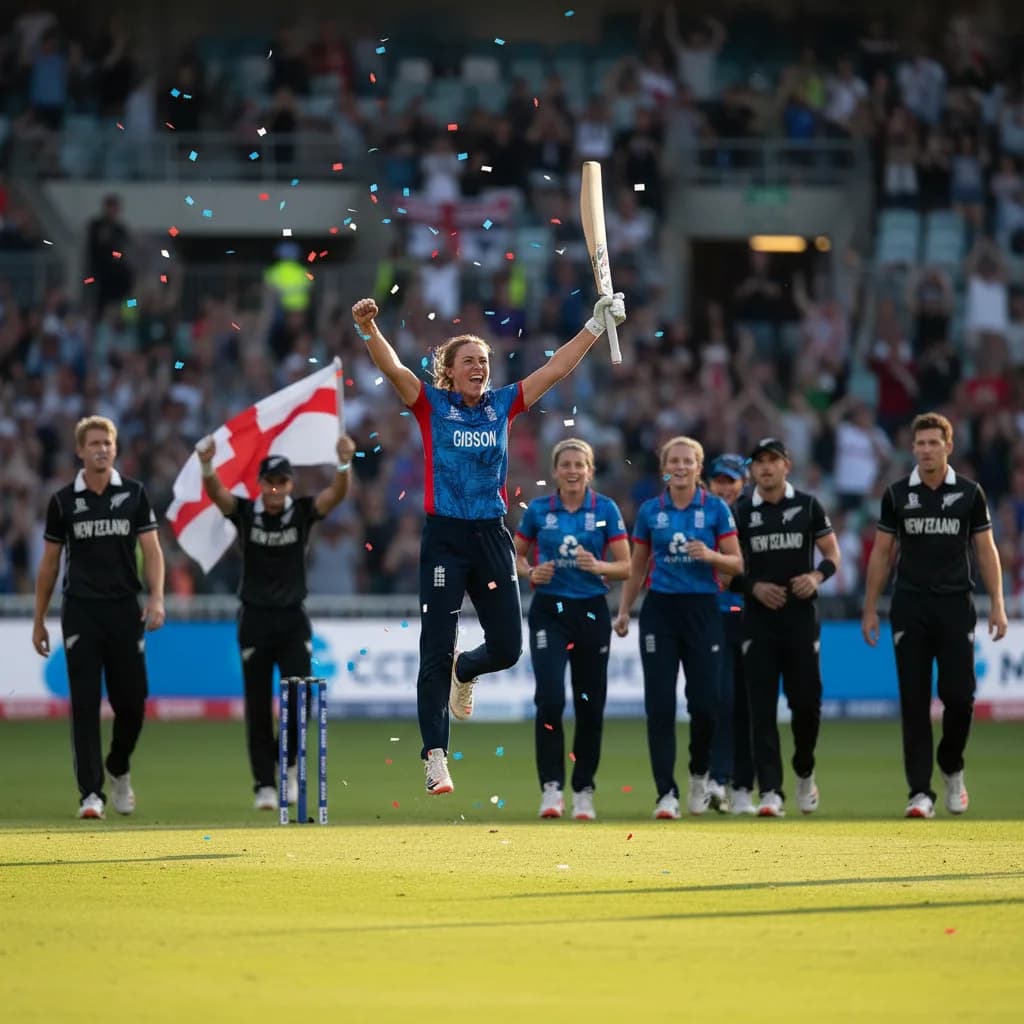
The 2017 ICC Women's World Cup marked a watershed moment for Indian women's cricket. Under Mithali Raj's leadership, the team reached the final, narrowly losing to England by just nine runs. The match, watched by millions, captured the nation's imagination and showcased the talent and resilience of Indian women cricketers. "That final changed everything," Raj told BBC Sport. "People started noticing us, talking about us, and believing in us."
The tournament's impact was immediate:
- Viewership soared, with over 50 million tuning in for the final.
- Sponsorships for women's cricket increased by 300% in the following year.
- The Board of Control for Cricket in India (BCCI) announced equal match fees for men and women in international cricket in 2022.
The Rise of Domestic Leagues: WPL's Game-Changing Role
The launch of the Women's Premier League in 2023 was another monumental step. Modeled after the men's Indian Premier League (IPL), the WPL attracted global stars and massive investments. The inaugural season saw:
- Five franchises sold for a combined $572 million.
- Smriti Mandhana becoming the most expensive player, bought for $410,000.
- Over 10 million viewers for the opening match, setting a record for women's cricket in India.
Raj emphasized the league's significance: "The WPL has given young girls a platform to dream big. It’s not just about playing for India anymore; they can aspire to be professional cricketers with financial security."
Grassroots Development and Infrastructure
The BCCI has also invested heavily in grassroots programs. Over 50 women's cricket academies have been established across India, and the board has introduced:
- Under-16 and Under-19 national tournaments.
- Central contracts for domestic players, ensuring steady income.
- A dedicated women's cricket calendar, mirroring the men's structure.
Challenges and the Road Ahead
Despite progress, challenges remain. Raj pointed out: "We still lack enough quality pitches and training facilities for women in smaller cities. The gap between domestic and international standards needs to narrow." However, with the WPL's success and increasing corporate support, the future looks bright.
Key milestones to watch:
- Expansion of the WPL to more teams and cities.
- Increased broadcast deals and media coverage.
- A potential Women's IPL in the near future, as hinted by BCCI officials.
Conclusion: A New Era for Women's Cricket
The journey of women's cricket in India, from obscurity to prominence, is a testament to the players' perseverance and the growing support from fans and administrators. As Raj aptly put it: "We’ve come a long way, but this is just the beginning. The next generation will take it even further."
With the WPL's success and the BCCI's continued investment, women's cricket in India is poised for unprecedented growth. The sport has finally found its place in the hearts of millions, and the future promises even greater achievements.