Revolutionary Approach to Light Management
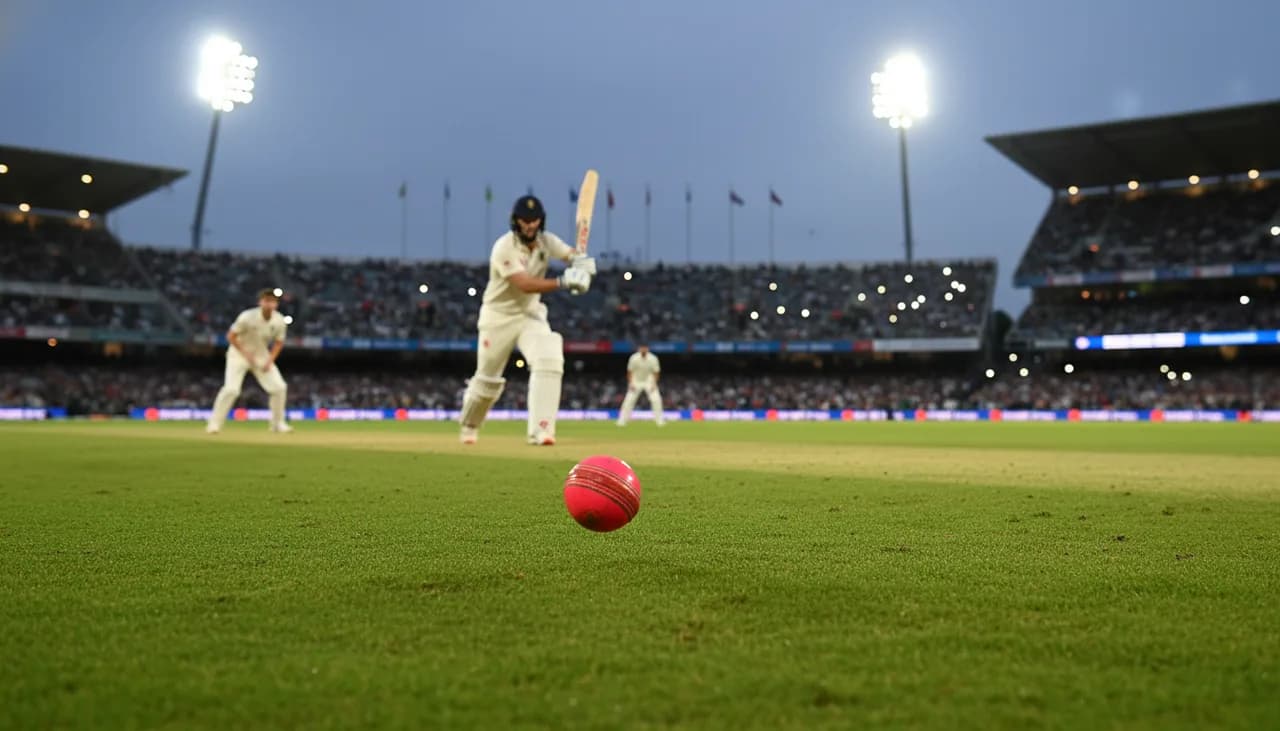
The International Cricket Council has unveiled an innovative solution to one of Test cricket's most persistent problems by introducing a trial system where pink balls can replace traditional red balls when poor light threatens to halt play. This groundbreaking initiative marks the first time these two ball types will be interchangeable during regular Test matches, representing a significant departure from cricket's traditional approach to light management.
The trial announcement comes as cricket authorities grapple with mounting frustration over lost playing time, particularly given that most modern venues are equipped with floodlights. The timing of this announcement will shift the odds for weather-affected matches, as bookmakers will need to reassess how light conditions impact their markets.
Operational Framework and Requirements
Under the new trial regulations, both competing teams must provide advance consent before pink balls can be deployed during instances of deteriorating light. The ECB is currently collaborating with the ICC to establish the practical implementation of these protocols, though the system won't be operational in time for England's upcoming Test against New Zealand at Lord's this Thursday.
The ICC has yet to specify the trial's duration but confirmed they will partner with the Marylebone Cricket Club to advance lighting technology research for officials and venues. This technological development could prove crucial in standardising light measurement across different grounds and conditions.
Historical Context and Performance Data
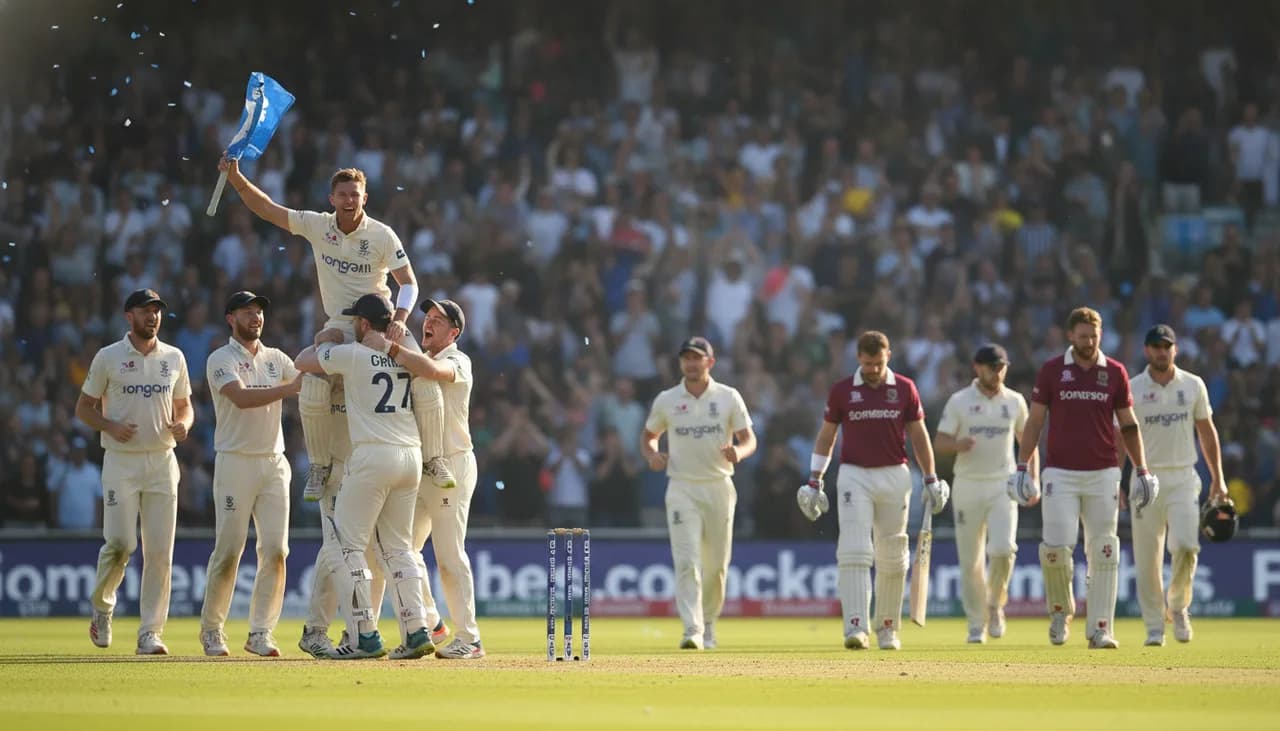
Pink ball cricket has established itself since 2015, with 25 men's day-night Tests completed over the past 11 years, beginning with Australia versus New Zealand in Adelaide. England has participated in just one home day-night Test, defeating the West Indies at Edgbaston in 2017.
Australia has demonstrated remarkable dominance under lights, winning 14 of their 15 pink ball Tests. Their success extends to Ashes cricket, where they've secured victory in all four day-night encounters since 2017-18. These statistics will undoubtedly influence betting markets when pink balls are deployed mid-match, potentially favouring teams with stronger day-night records.
Recent Examples and Future Implications
The urgency behind this initiative was highlighted during England's 2024 series against Sri Lanka, where more than half of the opening day at The Oval was abandoned due to poor light. Former England captain Michael Vaughan commented at the time: "You go to a pink ball and carry on. Teams will have to accept they get unlucky. All these ideas, you're not going to appease everyone. I just want to see them carry on."
Looking ahead, the 150th anniversary Test between Australia and England in Melbourne next March will feature day-night cricket, though England are reportedly considering rejecting a pink ball Test during their 2029-30 Ashes tour. This trial could significantly influence such decisions, potentially making day-night cricket more palatable if teams can transition to pink balls organically rather than committing to entire day-night matches from the outset.